
This content is reader-supported, which means if you click on some of our links, we may earn a small commission at no additional cost to you.
If you’ve ever stood at the edge of a mountain trail, breathed in that clean pine air, and thought man, I really hope this is still here in 50 years – then Earth Day was basically made for you.
Every April 22nd, people around the world stop and take a moment to think about the planet we’re living on. Some plant trees. Some skip the car and walk to work. Some go on epic eco-travel adventures (our personal favorite). But before we get into all the ways you can celebrate as a vegan traveler, let’s back up and talk about what Earth Day actually is, and how this whole thing started in the first place.
What Is Earth Day, Exactly?
Earth Day is an annual event dedicated to raising awareness about environmental protection. It’s observed on April 22nd every year in more than 190 countries, making it one of the largest civic observances on the planet.
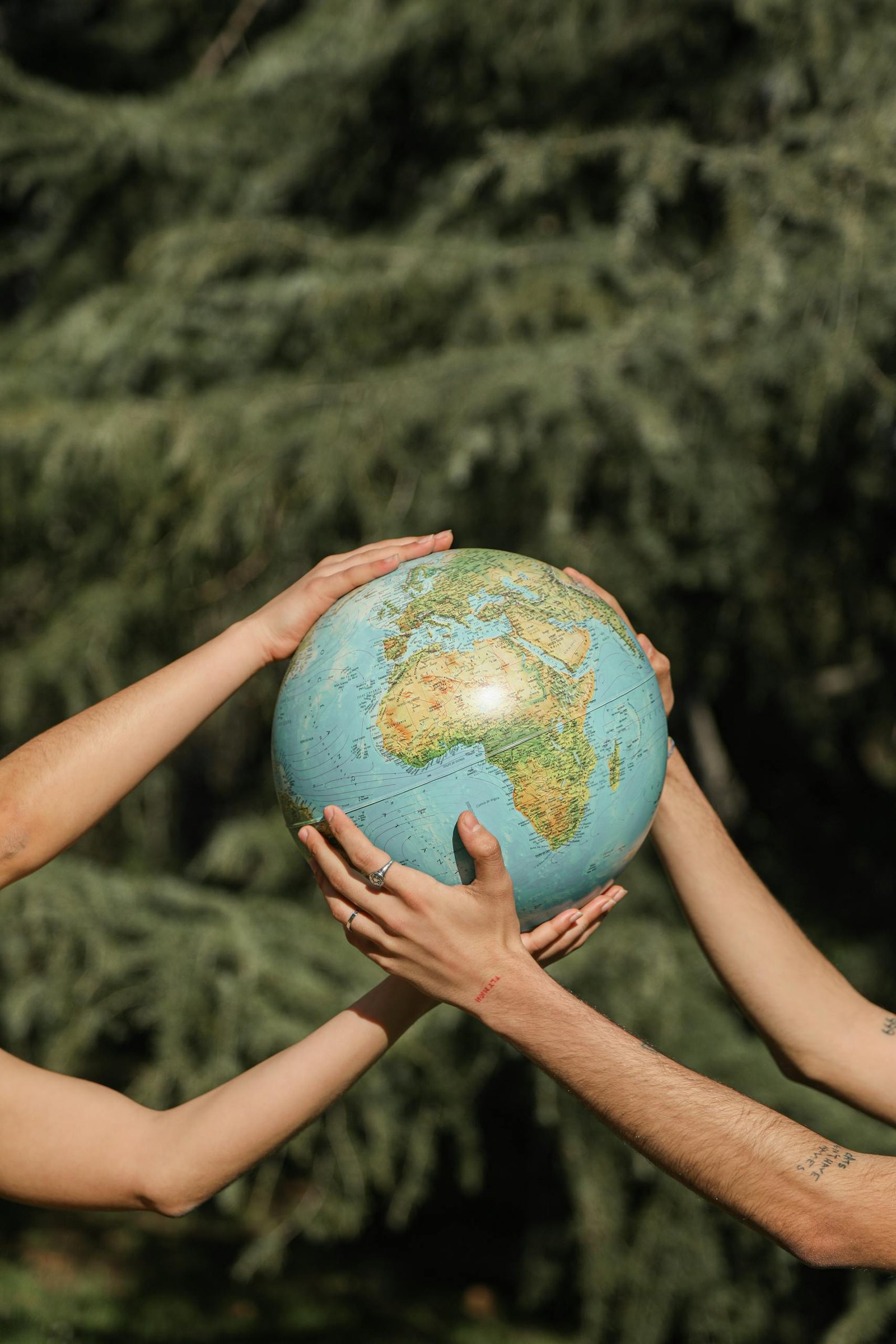
The day brings together activists, educators, governments, nonprofits, and everyday people around a shared goal: protecting the Earth’s ecosystems, fighting climate change, and building a more sustainable future for everyone.

Think of it as a global birthday party for the planet, except instead of cake, we’re giving back the things we’ve been taking a little too freely.
How Did Earth Day Get Started?
This is quite interesting.
The Spark: A Senator and an Oil Spill
Earth Day didn’t come from a marketing campaign or a government mandate. It came from anger, the good kind.
In January 1969, a massive oil spill off the coast of Santa Barbara, California dumped 3 million gallons of crude oil into the ocean, killing thousands of seabirds, dolphins, and marine animals. It was a devastating, highly visible disaster that shocked the American public.
Senator Gaylord Nelson of Wisconsin was horrified. He’d been watching the environmental movement gain steam since Rachel Carson published Silent Spring in 1962, and he knew it was time to channel that energy into something real.
April 22, 1970: The First Earth Day
Senator Nelson teamed up with activist Denis Hayes and announced a national “teach-in” on the environment. The response was overwhelming.
On April 22, 1970, 20 million Americans, about 10% of the U.S. population at the time, took to the streets, parks, and university campuses to demand action on air pollution, water contamination, wildlife loss, and the general disregard for the natural world.
It was the largest single-day environmental protest in history at that point. And it worked.
Within months of that first Earth Day, the U.S. government created the Environmental Protection Agency (EPA) and passed landmark legislation including the Clean Air Act, the Clean Water Act, and the Endangered Species Act. That’s a pretty incredible legacy for one day of collective action.
Going Global
By 1990, Earth Day had gone international. Denis Hayes organized events in 141 countries, and it officially became a global movement. Today, it’s coordinated by the nonprofit EARTHDAY.ORG, which runs campaigns, education initiatives, and environmental advocacy year-round.

Earth Day and Veganism: More Connected Than You Think
Okay, so now let’s talk about why Earth Day hits different when you’re living a plant-based lifestyle.
Animal Agriculture and the Environment
The connection between veganism and environmentalism isn’t just philosophical. It’s backed by a mountain of data.
Animal agriculture is one of the leading contributors to:
- Greenhouse gas emissions (responsible for roughly 14.5% of global emissions according to the FAO)
- Deforestation, particularly in the Amazon, where land is cleared to grow feed crops
- Freshwater usage – producing one pound of beef requires an estimated 1,800 gallons of water
- Ocean dead zones from agricultural runoff
- Biodiversity loss from habitat destruction
When you choose a plant-based diet, you’re not just making a statement about animal rights, you’re actively reducing your environmental footprint. Studies have consistently shown that a vegan diet produces significantly lower greenhouse gas emissions and uses far less land and water than a diet centered on animal products.
Earth Day Themes Have Always Echoed Vegan Values
Many of Earth Day’s annual themes directly overlap with vegan values:
- Our Power, Our Planet (2026)
- Planet vs. Plastics (2024)
- Invest in Our Planet (2023)
- Restore Our Earth (2021)
These themes, protecting biodiversity, reducing consumption, fighting climate change, all align naturally with a plant-based lifestyle. Veganism isn’t just a diet; it’s part of a broader ethical relationship with the living world.
How Vegan Travelers Can Celebrate Earth Day
As a vegan traveler, you’re already doing something right. But Earth Day is a perfect excuse to lean in even harder.
Choose Eco-Conscious Destinations
Cities and countries that prioritize sustainability, plant-based food culture, and wildlife conservation are natural fits for an Earth Day trip.
A few favorites worth exploring:
- Costa Rica – one of the most biodiverse places on Earth, with a strong eco-tourism infrastructure and surprisingly great vegan food scenes in cities like San José and Nosara
- Amsterdam, Netherlands – consistently ranked one of the most vegan-friendly and sustainable cities in the world
- Chiang Mai, Thailand – known for incredible vegan street food and proximity to ethical wildlife sanctuaries
- Portland, Oregon, USA – arguably one of the most plant-forward cities in North America, with a strong environmental culture to match

Support Wildlife Conservation
Earth Day is a great time to be intentional about the wildlife experiences you seek out while traveling. Stick to sanctuaries and conservation centers that are rescue-based, not entertainment-focused. Look for certifications from organizations like the Global Welfare Foundation or do your research via platforms like TripAdvisor’s animal welfare guidelines.
Reduce Your Travel Footprint
Even the most passionate eco-traveler leaves a carbon footprint. A few ways to shrink it:
- Take the train when possible instead of flying
- Choose direct flights when air travel is unavoidable (takeoff and landing burn the most fuel)
- Stay in eco-certified accommodations (look for Green Key or LEED certifications)
- Eat local and plant-based at your destination – this is almost always the lowest-impact choice
- Offset your carbon through reputable programs like Gold Standard or Climate Partners
Eat Your Values on April 22nd
Whether you’re home or traveling, Earth Day is a perfect day to seek out restaurants and eateries that align with your values – places that source locally, use organic produce, minimize waste, and of course, offer stellar plant-based options.
The Bigger Picture: Every Day Can Be Earth Day
Here’s the thing about Earth Day, the date is just a catalyst. The real power is in what you carry with you the other 364 days of the year.
As a vegan traveler, you’re already voting with your choices every single day. Every plant-based meal, every carbon offset, every ethically selected destination, it all adds up.
Earth Day gives us a moment to zoom out, appreciate how far the environmental movement has come since 1970, and recommit to the work still ahead. Because there’s a lot of work still ahead.
The planet gave us mountains worth climbing, oceans worth diving into, forests worth wandering through, and cultures worth learning from. The least we can do is show up for it.
Happy Earth Day. Now go outside. 🌍
When is Earth Day celebrated?
Earth Day is celebrated every year on April 22nd. It has been observed annually since the very first Earth Day on April 22, 1970.
Who founded Earth Day and why?
Earth Day was founded by U.S. Senator Gaylord Nelson, inspired by the 1969 Santa Barbara oil spill and the growing environmental movement of the 1960s. He partnered with activist Denis Hayes to organize the first national environmental teach-in on April 22, 1970.
How does veganism connect to Earth Day?
Veganism directly supports Earth Day’s environmental mission. Animal agriculture is a major contributor to greenhouse gas emissions, deforestation, and water use. Choosing a plant-based diet significantly reduces an individual’s environmental footprint, making it one of the most impactful personal actions for the planet.
What are the best eco-friendly travel destinations for vegan travelers?
Some of the best eco-friendly destinations for vegan travelers include Costa Rica, Amsterdam, Chiang Mai in Thailand, and Portland, Oregon. These places offer a combination of strong environmental values, sustainable tourism infrastructure, and excellent plant-based food options.
How can travelers reduce their carbon footprint on Earth Day and beyond?
Travelers can reduce their footprint by taking trains over planes when possible, choosing direct flights, staying in eco-certified hotels, eating local plant-based foods, and offsetting unavoidable carbon emissions through reputable programs like Gold Standard or Climate Partners.