This content is reader-supported, which means if you click on some of our links, we may earn a small commission at no additional cost to you.
Traveling with kids is already a full-on production. Add a vegan diet into the mix and suddenly you’re Googling “is bread vegan in Italy” at midnight while your toddler throws a sock at the wall.
But here’s the thing: vegan travel with kids is so much more doable than people think. It just takes a little planning, a flexible attitude, and knowing a few tricks that experienced vegan travel families swear by. Whether you’re planning your first big international trip with little ones or you’re a seasoned vegan traveler adding kids to the equation, this guide is for you.
Let’s dig in.
Why Vegan Travel With Kids Is Totally Worth It
Before we get into the logistics, can we just take a second to appreciate what you’re doing? You’re raising kids who care about animals and the planet and you’re showing them the world. That’s genuinely amazing and I am here for it.
Family travel has a way of expanding kids’ horizons in ways that no classroom ever could. And traveling vegan? It teaches them from a young age that your values don’t stay home when you do. Those are lessons they’ll carry forever.
Plus,and this is the fun part, plant-based food around the world is incredible. Many of the most beloved dishes in countries like Thailand, India, Ethiopia, and Mexico are naturally vegan or super easy to veganize. Your kids might just discover their new favorite food on the other side of the world.
Plan Ahead (But Don’t Over-Plan)
Start With a Vegan-Friendly Destination
Not all destinations are created equal when it comes to plant-based options. Some places make vegan travel with kids an absolute breeze. Others… not so much.
For families just starting out, these destinations tend to be especially easy:
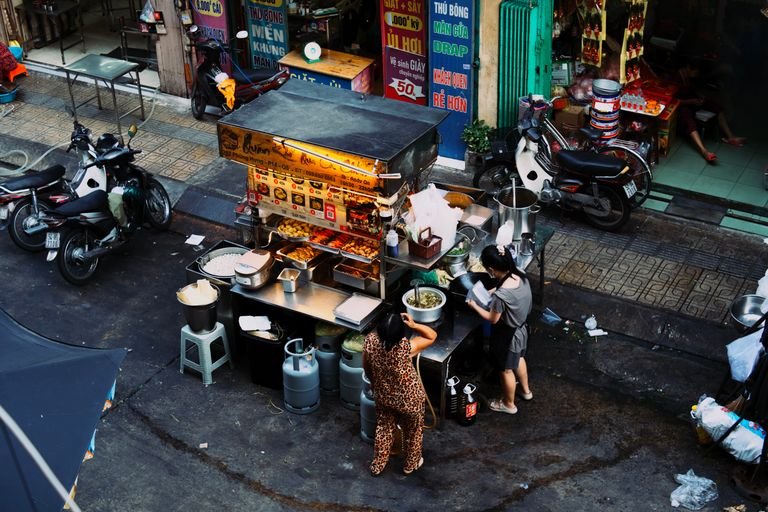
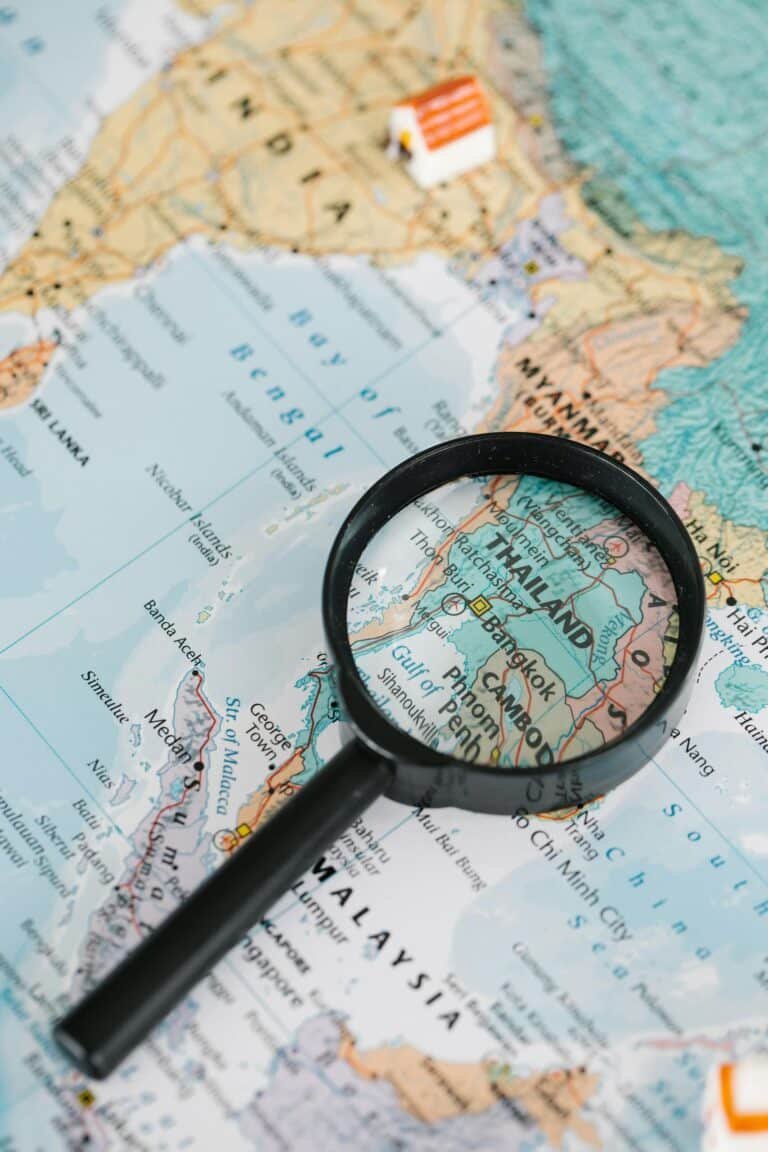
- Southeast Asia (Thailand, Vietnam, Bali) – loads of naturally plant-based street food, rice dishes, and noodles kids love
- Western Europe (Portugal, the UK, the Netherlands) – vegan labeling is common and most cities have dedicated vegan spots
- North America road trips – easy access to grocery stores and a growing number of family-friendly plant-based restaurants. If this sounds like a great idea, check out my post on ultimate vegan road trips!
Do Your Restaurant Research Before You Land
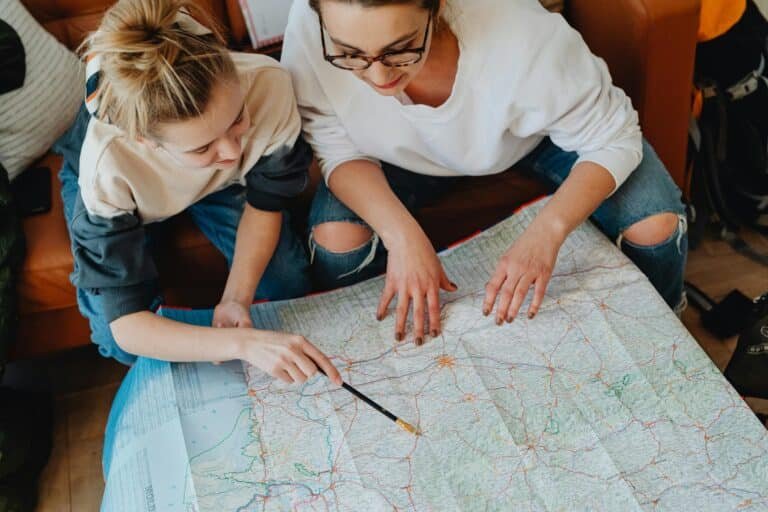
This is the move that saves the most stress. Apps like HappyCow are a lifesaver, search your destination before you leave home and bookmark 5–10 options near where you’re staying. That way, even on days when everyone is tired and hangry, you have a plan.
Also worth checking: Google Maps reviews filtered by “vegan” or “vegetarian,” and Facebook groups for vegans in specific cities. Local vegan communities are often incredibly helpful to travelers.
Contact Hotels and Accommodations Early
If you’re staying somewhere with breakfast included or an onsite restaurant, don’t wait until you arrive to ask about vegan options. Send an email ahead of time. Most places are happy to accommodate, they just need a heads up. Bonus: booking an Airbnb or apartment gives you kitchen access, which is a total game-changer when traveling with kids. Chck out the guide on booking vegan friendly hotels and Airbnbs!
Packing Smart: Snacks Are Your Best Friend

The Vegan Family Travel Snack Kit
If there’s one thing experienced vegan traveling parents will tell you, it’s this: bring more snacks than you think you need. Seriously. Double it. Then add one more bag of crackers.
Here’s what we always pack:
- Nut butter packets (Justin’s makes great single-serve ones)
- Larabars, RX Bars, or similar whole-food bars
- Dried mango, apricots, or raisins – kids love them and they’re light
- Individual bags of roasted chickpeas or edamame
- Rice cakes – bulky but beloved
- Instant oatmeal packets – perfect for early mornings in hotels with a kettle
These aren’t just for the plane. Snacks save you on day trips, long museum visits, or any time you stumble into a town where lunch options are… not great.
A Note on Customs and Border Rules
Just a quick heads up, some countries (especially Australia and New Zealand) have strict rules about bringing fresh fruit or certain food items across borders. Stick to packaged, processed snacks for international travel and you’ll be fine. Check the customs rules for your specific destination before you pack.
Eating Out Abroad With Vegan Kids: Real Talk
Learn a Few Key Phrases in the Local Language
You don’t need to be fluent, you just need to know how to communicate your dietary needs clearly. Before any trip, learn how to say something like “I don’t eat meat, fish, dairy, or eggs” in the local language. Write it down on a card you can show servers. Apps like Google Translate let you save phrases offline too.
Focus on Naturally Vegan Cuisines
This is one of the biggest tips for vegan family travel, and it’s also the most delicious one. Instead of trying to veganize dishes that weren’t designed to be plant-based, lean into cuisines that are already built around plants:
- Indian – daal, chana masala, aloo gobi, samosas, rice dishes
- Thai – pad see ew with tofu, spring rolls, mango sticky rice (check for fish sauce!)
- Ethiopian – injera with lentil and vegetable stews (many are naturally vegan!)
- Mexican – rice and beans, guacamole, roasted vegetables in tortillas
- Middle Eastern – hummus, falafel, pita, tabbouleh, stuffed grape leaves
These dishes tend to be kid-friendly too, think mild, flavorful, and satisfying.
Know the Hidden Ingredients to Watch For
This part matters. Even dishes that seem vegan can have sneaky non-vegan ingredients. Some of the most common culprits:
- Fish sauce – super common in Southeast Asian cooking, even in vegetable stir-fries
- Ghee (clarified butter) – used heavily in Indian cooking
- Lard – often used in Latin American rice and beans
- Anchovy paste – common in Mediterranean cooking
- Broth – always ask if soups and rice are cooked in meat or chicken broth
When in doubt, ask. And when you can’t ask easily due to language barriers, keep your snack bag close.
Kid-Friendly Vegan Strategies That Actually Work

Make Food an Adventure, Not a Battle
Kids are way more open to trying new foods when it’s framed as an adventure. Try things like:
- Let them pick one new food to try each day
- Visit a local market and let them choose fruit or snacks they’ve never seen before
- Make it a game – “can you find something green to try at lunch today?”
When kids feel ownership over what they’re eating, they’re much more likely to try it. And hey, you might find your six-year-old absolutely loves mango sticky rice. It’s happened.
Keep Familiar Foods in the Mix
As fun as food adventures are, kids also need some comfort. Don’t pressure yourself to only eat local cuisine every single meal. If you spot a grocery store, grab some familiar items – oat milk, peanut butter, bread, fruit – and keep them on hand for breakfast or snack time. The rest of the day you can explore.
Use Grocery Stores and Markets Strategically
Grocery stores are honestly underrated travel resources for vegan families. In most countries, you’ll find fresh fruit, bread, nuts, hummus, and other easy plant-based staples. Larger supermarkets in Europe often have solid vegan sections. Markets are even better, fresh, local, often naturally plant-based, and usually way cheaper than restaurants.
Destination Highlights: Where Vegan Family Travel Shines
Southeast Asia With Kids
Southeast Asia is one of the most vegan-friendly regions in the world, and it’s also absolutely magical for families. Thailand and Vietnam in particular are packed with naturally plant-based street food, think fresh spring rolls, noodle soups (ask for no fish sauce/broth), grilled corn, tropical fruit, and so much more.
Kids tend to love the interactive food culture here too. Night markets are basically a vegan foodie carnival.
Europe With the Family
Western Europe has gotten remarkably vegan-friendly in recent years. Cities like London, Amsterdam, Lisbon, and Berlin all have thriving vegan restaurant scenes and vegan options in most mainstream spots. Italy can be trickier (hello, cheese everywhere) but pasta with tomato sauce, pizza bianca, and arancini di riso can often be made vegan, just ask. Here is a guide to the most vegan friendly cities in Europe.
Mexico and Latin America
Mexico is a dream for vegan family travel. Fresh tortillas, guacamole, beans, rice, roasted vegetables, fresh salsas, and tropical fruit are everywhere. Just watch out for lard in the beans and broth in the rice, asking “¿tiene manteca o caldo de pollo?” (does this have lard or chicken broth?) goes a long way.
When Things Don’t Go as Planned (And They Won’t Always)
Even with the best planning, there will be a meal that doesn’t go well. The restaurant will be closed. Someone will accidentally put cheese on the order. The kids will melt down because they’re tired and hungry and that’s just parenthood.
This is okay. Give yourself grace. Pack those snacks. And remember that imperfect meals are also part of the travel story you’ll laugh about later.
The goal isn’t perfection, it’s doing your best while showing your kids the world in a way that aligns with your family’s values. That’s already a win.
Before You Go: Consider Working With a Vegan Travel Planner
If all of this research feels overwhelming, working with someone who’s already done it can be a total game-changer. A vegan travel planner can help you find the best plant-based restaurants, build itineraries around your family’s pace and preferences, and handle all the research that would otherwise eat up hours of your time.
At Vegan Travel Adventures, I specialize in creating custom itineraries for plant-based foodies who want unique, well-researched trips, without spending weeks doing the research themselves. Learn more here.
Is vegan travel with kids actually realistic?
Absolutely! It takes a bit more planning than traveling as a solo vegan or without dietary preferences, but with the right tools, like HappyCow, some advance research, and a good snack stash, vegan family travel is very doable. Many families do it regularly all over the world.
What are the best countries for vegan family travel?
Southeast Asian countries like Thailand, Vietnam, and Bali are fantastic for vegan families because so much of the cuisine is naturally plant-based. Western European cities like London, Amsterdam, and Lisbon also have excellent vegan infrastructure. Mexico is another great choice with lots of naturally vegan-friendly dishes.
How do I explain my kid’s vegan diet to restaurants abroad?
The easiest approach is to write out your dietary needs in the local language on a small card you can show servers. You can use Google Translate or work with a travel planner to prepare these in advance. Focusing on naturally vegan cuisines and restaurants also reduces the need for complicated explanations.
What vegan snacks should I pack for international travel with kids?
Great options include nut butter packets, energy bars (like Larabars or RX Bars), dried fruit, roasted chickpeas, rice cakes, and instant oatmeal packets. Just check customs rules for the countries you’re visiting, some have restrictions on certain food items.
What are hidden non-vegan ingredients to watch out for when traveling internationally?
Fish sauce is very common in Southeast Asian cooking. Ghee shows up frequently in Indian dishes. Lard is often used in Latin American rice and beans. Anchovy paste appears in some Mediterranean sauces. Always ask if soups and rice dishes are made with meat or chicken broth, as this is a common hidden ingredient worldwide.
Planning a vegan family adventure and want someone to handle the research for you? Reach out to Angie at Vegan Travel Adventures – she specializes in custom plant-based itineraries that actually fit your family’s style and budget.