So you’ve booked your flights, packed your bags, and you’re ready for that big adventure — except for one tiny nagging worry in the back of your mind: What am I going to eat?
If you’re vegan, traveling to a new country can feel like a culinary puzzle. Different cuisines, unfamiliar ingredients, menus you can’t read, and a host who keeps insisting the soup is “almost vegan” (it’s not). Been there.
But here’s the truth: being vegan abroad is way more manageable than most people think. With the right tools, a little preparation, and a flexible attitude, you can find delicious plant-based food almost anywhere in the world — no language degree required. Let’s break it all down.
1. Download These Apps Before You Even Board the Plane
Your smartphone is your best travel companion when it comes to finding vegan food. These apps do the heavy lifting for you:
- HappyCow — The gold standard for vegan and vegetarian restaurant discovery. It covers nearly every country on earth, includes user reviews, and even lets you filter by “vegan-only” spots. Download it, set up an account, and get familiar with it before you go.
- Google Translate (with offline language packs) — This one is an absolute lifesaver. I used this app almost non stop during my month in Peru. Download the language pack for your destination so you can use it without WiFi. Better yet, use the camera feature to translate menus in real time by just pointing your phone at the text.
- Google Maps — Search “vegan restaurant near me” and Maps will pull up options with reviews, hours, and photos. Incredibly useful even in smaller cities.
- iTranslate or DeepL — I have not used these, but I hear they are great backup translation apps. DeepL in particular is known for more natural-sounding translations.
💡 Pro Tip: Download offline maps of your destination on Google Maps before you travel. WiFi and data can be spotty, and you don’t want to be hungry and lost without a signal.

2. Learn These Key Phrases in the Local Language
You don’t need to be fluent — you just need a few targeted phrases. These short sentences can make an enormous difference when communicating your dietary needs at a restaurant or market.
Here are the core phrases to translate and memorize (or keep saved on your phone) for any country you visit:
| English Phrase | Why It Matters |
|---|---|
| “I am vegan.” | Sets the foundation for the conversation |
| “I don’t eat meat, fish, eggs, or dairy.” | Specific — avoids “but chicken is not meat” confusion |
| “Does this contain animal products?” | Useful for checking sauces, broths, and condiments |
| “Is this made with butter or cream?” | Essential in European and South Asian cuisines |
| “Can you make this without meat/dairy/eggs?” | Opens the door to customization |
| “What vegetables do you have?” | Helpful when menus are limited |
| “No fish sauce, please.” | Critical in Southeast Asian countries |
Use Google Translate to get these phrases in your destination’s language, then save them as screenshots or in a notes app so you can pull them up anytime — even offline.
3. Know Which Cuisines Are Naturally Vegan-Friendly
Some culinary traditions make vegan eating incredibly easy, almost accidentally. Knowing this in advance helps you know where to eat without much research at all. As always, be sure to double check the ingredients.
Naturally easy destinations for vegans:
- India — A huge portion of the population is vegetarian, and many dishes are vegan by default. Dal, chana masala, aloo gobi, idli, dosa — the list goes on. Just watch out for ghee (clarified butter) in some dishes.
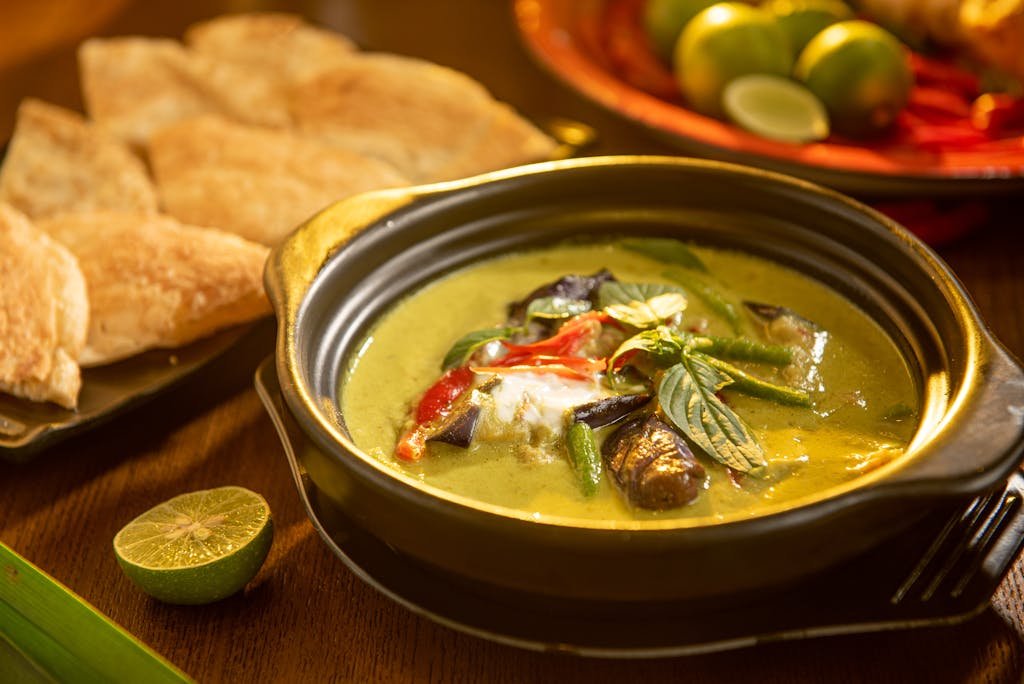
- Thailand and Vietnam — Both have strong Buddhist vegetarian traditions. Look for “เจ” (Jay) signs in Thailand, which indicate vegan-friendly food. In Vietnam, “chay” means vegetarian/vegan.
- Ethiopia — Fasting days in Ethiopian Orthodox Christianity mean a significant portion of the population eats vegan regularly. Injera with lentil and vegetable stews is a vegan dream.
- Israel and Lebanon — Middle Eastern food is loaded with hummus, falafel, tabbouleh, and mezze dishes that are plant-based by nature.
- Japan — Look for “shojin ryori” (Buddhist temple cuisine), which is entirely plant-based. Tofu, edamame, rice, and vegetable dishes are everywhere — just watch out for dashi (fish stock) in broths.
More challenging destinations (but still doable!): Argentina, Mongolia, and some Eastern European countries where meat is central to the cuisine. In these places, you’ll rely more heavily on apps, supermarkets, and international restaurants.
4. Use the “Vegan Card” Strategy
A vegan card (also called a “diet card” or “chef card”) is a small printed or digital card explaining your dietary restrictions in the local language. They’re incredibly effective because they communicate everything clearly and professionally, even when there’s a language barrier and your pronunciation isn’t quite right.
You can find pre-made vegan cards for dozens of languages at HappyCow.net, or create your own using Google Translate. The key is to make it thorough — list out what you don’t eat rather than just saying “vegan,” because the concept doesn’t always translate the same way across cultures.
A good vegan card should include something like:
- I do not eat: meat, poultry, fish, seafood, eggs, dairy (milk, butter, cheese, cream, yogurt), honey, or any animal-derived products.
- I can eat: vegetables, fruits, grains, legumes, nuts, seeds, tofu, and plant-based oils.
- Please check: sauces, broths, and condiments for animal ingredients.
💡 Pro Tip: Keep your vegan card in your phone’s photos AND as a printed card in your wallet. You’ll be grateful to have a backup when your battery dies.
5. Supermarkets Are Your Secret Weapon
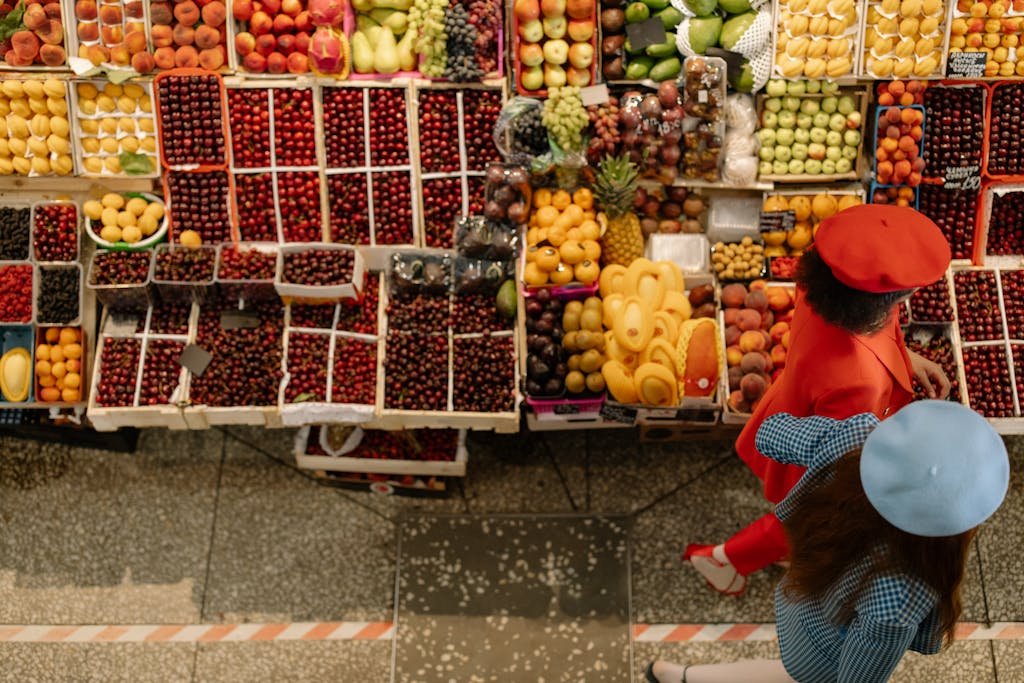
Restaurants get all the glory, but supermarkets are honestly one of the best resources for vegan travelers. No matter where you are in the world, a local grocery store will have fruits, vegetables, bread, nuts, plant-based milks (increasingly common globally), canned beans and legumes, and snacks you can put together into a solid meal.
Here’s how to make the most of supermarket visits abroad:
- Hit the produce section first. Fresh fruit is a universal safe food and a great backup snack.
- Look for the international foods aisle. Many supermarkets carry hummus, olives, rice cakes, and other accidentally-vegan snacks.
- Read labels with Google Translate. Point the camera at an ingredient list and translate on the spot.
- Stock up on portable protein. Peanut butter, nuts, trail mix, and protein bars are travel staples.
Big supermarket chains to look out for internationally: Carrefour (Europe, Asia, Middle East), Tesco (UK, Central Europe), Whole Foods/Trader Joe’s (US), Coles/Woolworths (Australia), and local health food stores wherever you can find them.
6. Tap Into Online Vegan Communities
Before you travel, do a quick search in vegan-specific Facebook groups or Reddit communities. Groups like “Vegan Travelers” or country-specific vegan groups (e.g., “Vegans in Japan” or “Vegan in Mexico”) are absolute gold mines of up-to-date, real-world advice from people who’ve been there recently.
Post something simple like: “Heading to [country] next month — any tips for finding vegan food?” You’ll be flooded with restaurant recommendations, grocery store tips, and phrases that actually work. The vegan community is genuinely one of the most helpful travel communities out there.
7. Navigate Street Food Like a Pro
Street food markets can be overwhelming when you’re vegan, but they’re also full of opportunity. Here are a few strategies:
- Watch how food is prepared. Seeing a vendor cook vegetables separately on a clean grill gives you more info than any menu could.
- Point and ask. Even without language skills, pointing at an ingredient and shaking your head “no” is universally understood.
- Look for fruit vendors. Fresh-cut fruit is almost always available at street markets worldwide and is 100% vegan.
- Seek out rice and noodle dishes. In Asia especially, plain rice or noodle dishes with vegetables are abundant and easy to customize.
8. Be Flexible and Creative With Your Approach
Here’s some real talk: sometimes you’re in a tiny village in the middle of nowhere, the only restaurant in sight is a traditional steakhouse, and the closest HappyCow listing is 40 miles away. That’s just part of the adventure.
In moments like these, being a creative, flexible vegan goes a long way:
- Ask if the kitchen can make a plate of sides — roasted veggies, salad, bread, potatoes.
- Order multiple appetizers or sides as a meal.
- Pop into a grocery store or market and piece together something from what’s available.
- Accept that some days might be more about fuel than flavor — and that’s okay.
The goal isn’t perfection, it’s doing your best while still fully enjoying the experience of traveling somewhere new.
9. Quick Country-Specific Tips to Know Before You Go
A few situations trip up even experienced vegan travelers. Here’s a quick cheat sheet:
- Southeast Asia: Fish sauce is used extensively — even in “vegetarian” dishes. Always ask specifically about fish sauce and shrimp paste.
- France and Italy: Butter is in almost everything. Be specific about “no butter” (pas de beurre / senza burro).
- Mexico: Lard (manteca) is often used in beans and tortillas. Ask if beans are cooked with it — many places will happily use oil instead if asked.
- China: The word for “vegetarian” (素食, sùshí) sometimes includes fish. Be explicit about no seafood.
- Eastern Europe: Vegetable soups often have meat-based broths. Always ask.
- India: Watch out for ghee, paneer, and curd in otherwise vegetable-based dishes.
10. Always Have a Backup Plan
Pack a small emergency vegan kit in your day bag. This sounds excessive until the day you’re on a 6-hour bus with no food stops and nothing but pastries at the rest area. A few ideas:
- Protein bars or energy bars (check the label!)
- A small bag of mixed nuts or trail mix
- Instant oatmeal packets
- Nut butter single-serve packets
- Dried fruit or fruit leather
Final Thoughts: Vegan Travel Is Totally Worth It
Finding vegan food while traveling abroad really does get easier every single time you do it. You’ll build up a mental toolkit of apps, phrases, and strategies that become second nature. And more often than not, you’ll discover that the local vegan or vegetarian food in many countries is some of the most vibrant, flavorful, and memorable eating you’ve ever done.
The language barrier might feel intimidating at first, but a combination of translation apps, a vegan card, and some genuine curiosity goes a long way. People around the world are generally kind and willing to help — especially when they can tell you’re making a real effort.
So go ahead and book that trip. The world is full of incredible plant-based food just waiting to be discovered. Happy travels — and happy eating. 🌿

Got a vegan travel tip that’s saved your life on the road? Drop it in the comments — we’d love to hear it!
Ready for your vegan adventure?
I am ready to helpyou plan it!
What is the best app for finding vegan food while traveling?
HappyCow is the most widely used app for finding vegan and vegetarian restaurants worldwide. Pair it with Google Maps and Google Translate for a complete toolkit.
How do I say “I’m vegan” in other languages?
Use Google Translate to get this phrase in your destination’s language before you travel. Save it as a screenshot for offline use. Consider downloading a pre-made vegan card from HappyCow.net.
Which countries are easiest for vegan travelers?
India, Thailand, Vietnam, Ethiopia, Israel, and Japan all have strong plant-based food traditions that make vegan travel relatively easy.
What should I do if there are no vegan restaurants nearby?
Visit a local supermarket to assemble a meal from fresh produce, bread, nuts, and packaged foods. You can also ask any restaurant to make a plate of vegetable sides — most kitchens will accommodate a simple request like this.
Is it safe to eat street food as a vegan traveler?
Yes, with some care. Watch how food is prepared, ask about hidden ingredients like fish sauce or lard, and look for fruit vendors and vegetable-based stalls. Street food can actually be some of the most vegan-friendly eating available in many countries.