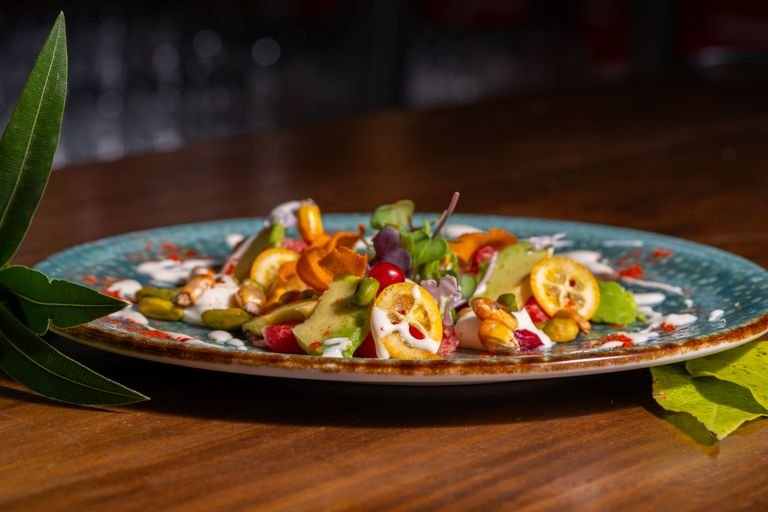

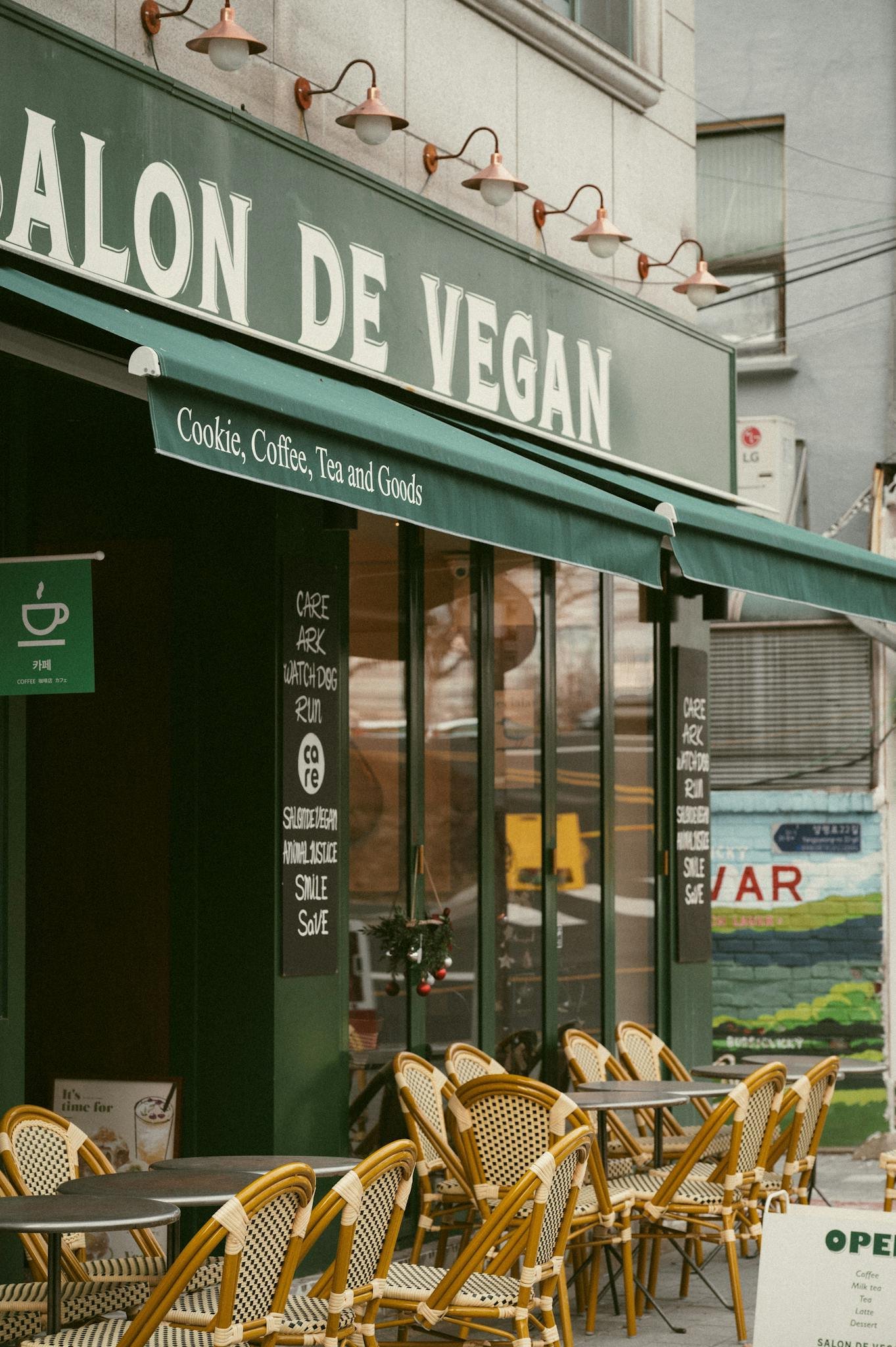
The days of surviving on plain rice, sad side salads, and an emergency stash of Larabars in your carry-on is over. You might still have to explaine “no meat, no dairy, no eggs” to a server three different ways, but the world is catching up! The number of vegan friendly destinations is on the rise!
The world is shifting, and if you haven’t traveled as a vegan recently, you might be genuinely surprised at what’s out there now. Let’s talk about what’s actually changing, where it’s happening the fastest, and what that means for your next trip.
The Numbers Are Pretty Encouraging
Before we get into the fun travel stuff, it’s worth zooming out for a second to understand why things are improving.
Over 79 million people worldwide now identify as vegan, and the global vegan travel market hit $853 million in 2024 — with projections to nearly double by 2033. That’s not a niche anymore. That’s a massive market that airlines, hotels, and restaurants are paying attention to.
And demand for plant-based options at quick-service restaurants in the UK alone rose by 56% in 2024. Fifty-six percent. In one year. Businesses follow money, and the money is increasingly plant-based.
How the World’s Most Vegan-Friendly Destinations Have Leveled Up
Europe Keeps Leading the Way
Europe has long been the friendliest continent for vegan travelers, and it’s only getting stronger. A few standouts:
Berlin is arguably the most vegan city on earth. The German capital has a dedicated 100% vegan supermarket chain, vegan doner kebab stands on nearly every corner, and bakeries turning out dairy-free versions of classic German pastries. It even hosts Europe’s largest vegan summer festival, the Veganes Sommerfest, every year. Even Oktoberfest now has pea-protein schnitzels and soy steaks alongside the beer tents.
The Netherlands has become quietly extraordinary for plant-based travelers. Amsterdam saw a 78% increase in vegan restaurants in just three years, according to HappyCow. Dutch supermarkets are stacked with clearly labeled vegan products from local brands, which makes self-catering incredibly easy.
The UK is another strong performer. In 2024, new allergen labeling legislation went into effect, requiring menus to clearly flag milk and eggs, which takes a lot of the awkward back-and-forth out of ordering. One in three new UK food launches now carries a vegan claim, and you can find plant-based options at highway rest stops, heritage sites, and pub chains alike.
Asia Is the Fastest-Growing Region
This one might surprise people. Asia Pacific is projected to be the fastest-growing region in the vegan travel market, with an 11.2% CAGR through 2033. Countries like Thailand, Japan, and Australia are driving a lot of that growth.
Thailand, especially Chiang Mai, has always had a wealth of naturally plant-based dishes — stir-fried tofu, papaya salad, vegetable curries. But now there’s a whole layer of dedicated vegan cafés, raw food spots, and health-conscious eateries that cater specifically to travelers. It’s one of those places where being vegan just… isn’t a big deal.
Israel has had a legendary vegan culture for years (Tel Aviv is consistently ranked as one of the world’s most vegan-friendly cities), and that reputation continues to hold strong.
Interested in vegan Bali? Check out our 3-Day Bali Itinerary. And don’t forget to grab your free Bali Destination Guide on the Homepage!
What About Places That Are Traditionally Harder?
While some destinations are thriving, not everywhere has caught up. Rural areas in many parts of Southern Europe, Central America, and Southeast Asia can still be tricky, especially if the local cuisine is heavily centered around meat and dairy. Eastern Europe is more hit-or-miss depending on the country. And in parts of the Middle East and Latin America, the growth is happening, just more slowly.
The key shift even in these regions? Awareness. More locals know what “vegan” means now than five years ago, and Google Translate has genuinely been a game-changer for communicating dietary needs across language barriers.
Airlines and Airports Are (Slowly) Getting Better
Flying as a vegan used to feel like an afterthought for the industry. You’d request a VGML (vegan meal), and sometimes you’d get a sad little plate of steamed vegetables and a roll. Or, as has happened to me a few times, sometimes it just doesn’t show up.
That experience varies wildly by airline, but the high end has gotten genuinely impressive. Emirates now offers over 300 vegan dishes across its menu, including things like jackfruit biryani, chickpea crepes, and chocolate ganache for dessert. Singapore Airlines also has a dedicated vegan menu with solid options. Demand for plant-based inflight meals reportedly increased by 40% at Emirates alone.
Budget airlines are still lagging, but even airports are improving. Major hubs now frequently have at least one decent plant-based dining option — plant-based smoothie bowls, falafel wraps, vegan sushi. The trick is knowing where to look before you get there (more on that below).
The Apps That Make Vegan Travel So Much Easier
This might be the single biggest change for vegan travelers over the last decade.
HappyCow – Still the Gold Standard
HappyCow has been around for 25 years now, and it just keeps getting better. With over 256,000 listings in 185 countries, 1.8 million user reviews, and 3 million photos, it’s the most reliable way to find vegan and vegan-friendly restaurants literally anywhere in the world. The Pro version ($3.99 one-time fee) gives you offline access, which is clutch when you’re roaming internationally.
Recent updates even redesigned the map experience, making it easier to browse restaurants at a glance. It’s the app I’d be stranded without on a vegan travel adventure.
Google Translate – Underrated for Vegans
The camera translation feature where you just point your phone at a menu and it translates in real time? That changed the vegan travel game in countries where menu translations aren’t common. You can read ingredient lists, decode restaurant menus, and communicate dietary needs far more clearly than before.
Other Tools Worth Knowing
MeetUp is great for finding local vegan communities and events in cities you’re visiting, perfect for solo travelers who want to connect with like-minded people. And Instagram/TikTok have become genuinely useful for discovering hidden vegan gems in cities, especially through local hashtags.
Hotels and Accommodations Are Catching Up Too
Thirty percent of millennials now prefer plant-based options at hotels, and as a result, more and more hotels are offering full vegan breakfast menus, cruelty-free toiletries, and eco-conscious amenities.
There’s also been real growth in fully vegan hotels, places where every aspect of the property, from food to spa treatments to bedding materials, aligns with vegan values. Greece even opened its first vegan hotel, Koukoumi, back in 2020, and the concept has been spreading since.
And of course, platforms like Airbnb make it easy to find accommodations where you can cook for yourself — still one of the most reliable ways to eat well as a vegan anywhere in the world.
If you would like to learn more about booking vegan hotels and airbnbs, check out our post!

Practical Tips That Still Apply (Because It’s Not Perfect Everywhere)
Even with all this progress, vegan travel still requires a little more prep than traveling as an omnivore. Here’s what still makes a big difference:
Research ahead. Even spending 15–20 minutes before you arrive in a new city to pull up HappyCow, check Google Maps reviews, and save a few backup options can save you from a frustrating evening.
Learn a few key phrases. Knowing how to say “I don’t eat meat, fish, dairy, or eggs” in the local language, even imperfectly, goes a long way in places where English isn’t widely spoken. Save a translated card on your phone or just copy-paste into a conversation.
Pack emergency snacks. Nuts, protein bars, dried fruit, peanut butter packets, these are still worth tossing in your bag for long transit days, rural areas, or destinations where you’re unsure about options.
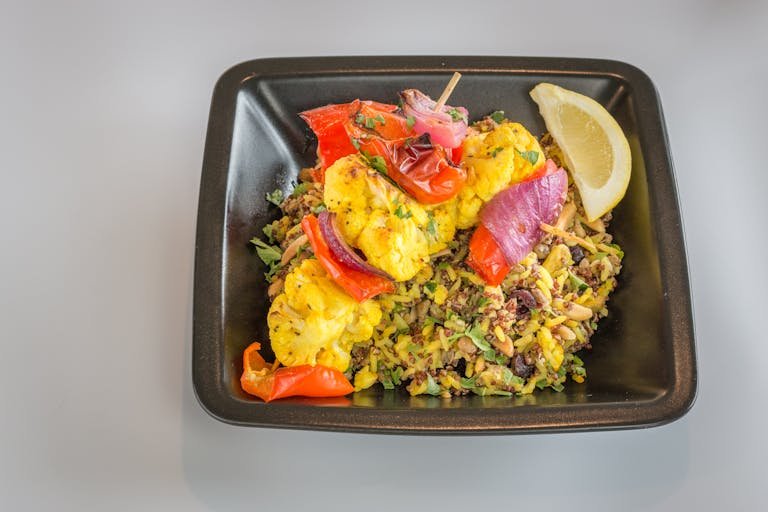
Lean into the local cuisine. A lot of traditional foods around the world are naturally vegan or easily made vegan, Indian dal and chana masala, Ethiopian injera with lentil stew, Japanese vegetable sushi, Mexican bean tacos, Greek fava bean puree and dolmades. Sometimes the best vegan meals you’ll have on a trip aren’t at a dedicated vegan restaurant at all.
So… Is Vegan Travel Getting Easier?
Short answer: yes. Genuinely.
The combination of a massive global growth in veganism, a hospitality industry that’s finally responding to the demand, better technology for finding food and communicating needs, and a cultural shift toward more plant-based eating, all of it is stacking in our favor.
Is it perfect? Absolutely not. There are still places and situations where being vegan takes more effort and creativity. But the direction of travel (pun intended – I crack myself up!) is clear. The gap between traveling vegan and traveling as an omnivore is narrowing every year, and for those of us who’ve been doing this for a while, that’s genuinely exciting.
The world is changing. And vegan friendly destinations are all the rage.
Is it hard to travel as a vegan?
It’s getting significantly easier! Major cities around the world now have dedicated vegan restaurants, and apps like HappyCow help you find plant-based options in over 185 countries. Some research before you arrive and a few translated phrases go a long way, especially in less touristy areas.
What are the most vegan-friendly countries to travel to?
Some of the top vegan-friendly destinations in 2025 include Germany (especially Berlin), the UK, the Netherlands, Israel, Thailand, and Australia. These countries combine a strong vegan culture with abundant restaurant options and vegan-labeled grocery products.
What apps should vegan travelers use?
HappyCow is the top app for finding vegan restaurants worldwide, with over 256,000 listings in 185 countries. Google Translate (especially the camera feature for reading menus) is also invaluable. MeetUp can help you connect with local vegan communities while traveling.
Do airlines offer vegan meals?
Many do! When booking, look for the VGML (Vegan Meal) option and request it at least 24–48 hours before your flight. Airlines like Emirates and Singapore Airlines have well-regarded vegan in-flight menus. Budget airlines are more limited, so packing snacks for shorter flights is a good backup plan.
Is vegan travel more expensive?
Not necessarily. While dedicated vegan restaurants in trendy cities can be pricey, a lot of the world’s most affordable street food is naturally plant-based — think bean tacos in Mexico, dal in India, or falafel in the Middle East. Self-catering in an Airbnb with local grocery shopping is also a very budget-friendly option for plant-based travelers
Happy travels — and may your plates always be full and colorful. 🌿