
Planning a trip to Italy can feel stressful when you follow a plant based diet, especially since the country is famous for cheese and cured meats. However, it is entirely possible to enjoy the local food without compromising your values. I put together these 15 vegan travel tips to help you navigate menus, find hidden gems, and eat well while you travel across this beautiful country.
1. Learn Key Italian Phrases for Vegan Food
Learning a few Italian phrases makes a massive difference when you are hunting for plant-based meals. Most servers in local trattorias appreciate the effort, and it helps prevent confusion when you are asking about hidden ingredients like lard or anchovies.
You should start by memorizing the phrase sono vegano or sono vegana to identify yourself immediately. If you want to ask if a dish contains animal products, just say contiene ingredienti di origine animale? while pointing to the menu.
It is also helpful to keep a small note on your phone that says senza formaggio, senza carne, e senza uova. This covers the basics of no cheese, no meat, and no eggs, which are the most common items you will need to avoid. Having these phrases ready stops you from accidentally ordering something that includes butter or hidden dairy products.
2. Look for the Natural Green Leaf Label

| Label Type | What it Means |
|---|---|
| Green Leaf Symbol | Certified vegan or plant-based |
| Generic Logo | Could be vegetarian or dairy-heavy |
You might be standing in a small market in Rome, staring at a row of pre-packaged snacks. It is easy to get confused by all the Italian text on the labels.
Look for the Natural Green Leaf symbol printed on the packaging. This specific icon usually indicates that the product has been verified as vegan by a certified organization.
It saves you from having to translate every single ingredient on the back of the bag. You will have much more peace of mind knowing you aren’t accidentally buying something with hidden milk powder or honey.
Keep an eye out for this label in larger supermarkets like Coop or Conad. It is a reliable shortcut for finding safe snacks while you are on the move.
3. Eat at Local Fruit and Vegetable Markets

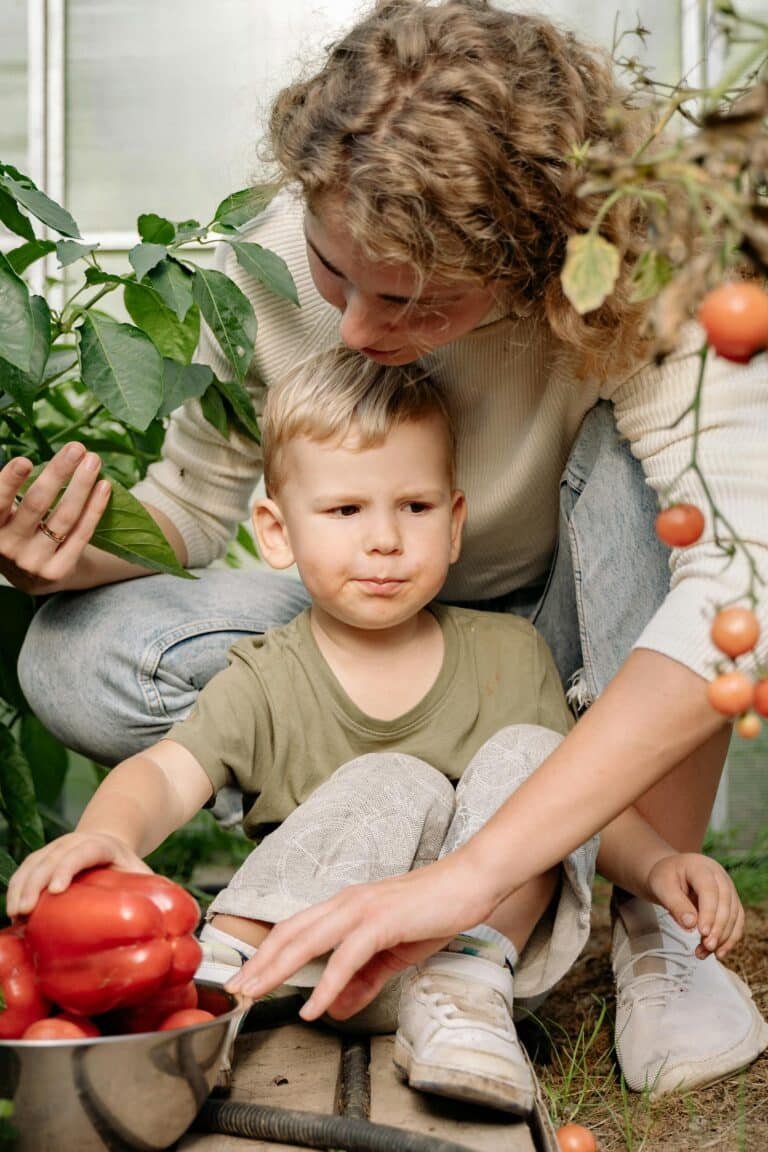
You haven’t really tasted Italy until you’ve wandered through a local produce market with a reusable bag in hand. Supermarkets simply cannot compete with the flavor of sun-ripened tomatoes and freshly picked peaches sold directly by the farmers.
Try to look for stalls where the signs mention chilometro zero, which means the food was grown nearby. You can pick up cheap, seasonal staples like zucchini blossoms, artichokes, or sweet figs for a perfect hotel room picnic. It is the cheapest and healthiest way to keep your energy up while you walk around beautiful old cities.
4. Order Pasta Pomodoro as a Reliable Backup

When you are exhausted or stuck in a town with few vegan options, pasta pomodoro is your best friend. It is available at almost every trattoria in Italy and is naturally plant-based as long as you confirm they didn’t use egg pasta.
Most chefs use simple ingredients like tomatoes, garlic, olive oil, and fresh basil. It is a reliable, filling meal that keeps you fed when more complex menus fall short.
- Ask the server if the pasta contains egg, as some handmade varieties do.
- Request extra olive oil on the side if the dish feels a bit dry.
- Check the menu for “penne” or “spaghetti,” which are usually vegan by default.
- Keep a small packet of red pepper flakes in your bag to add some extra heat.
You will always leave the table satisfied with this simple, classic staple.
5. Try Naturally Vegan Regional Specialties
You really don’t need to hunt for specialized vegan restaurants to eat well in Italy. Many traditional dishes are accidentally plant-based because they rely on fresh, local produce and olive oil instead of butter or cream.
When you’re in Liguria, definitely look for farinata. It is a simple, crispy chickpea pancake baked in a wood-fired oven that is naturally vegan and incredibly filling.
Down in Puglia, you should order orecchiette con cime di rapa. This classic pasta dish features small ear-shaped noodles tossed with bitter broccoli rabe, garlic, and red pepper flakes.
Just remember to double-check that the kitchen hasn’t added anchovies to the sauté, which can happen in some spots. If you stick to these peasant-style recipes, you’ll find some of the most authentic flavors in the country without any extra effort.
6. Download Offline Maps of Vegan Restaurants
Roaming charges and spotty reception are the absolute worst when you are hungry in a foreign city. You should always download your vegan restaurant map before leaving your hotel’s Wi-Fi.
I suggest using Google Maps to create a custom list of spots you want to visit. You can save the area for offline use so you never lose your way to that perfect bowl of pasta.
- Pin every place you find on HappyCow to your Google Maps account ahead of time.
- Download the specific city map in the Google Maps settings menu to ensure it works without data.
- Check the distance between your accommodation and the nearest vegan-friendly cafe before you start your day.
- Keep a backup list of physical addresses in your notes app just in case your phone battery dies.
Having these locations saved offline saves you from wasting precious time wandering around aimlessly. It makes finding a plant-based meal in smaller towns much easier when you don’t have a reliable signal.
7. Check for Soy or Nut Milk Options

You might think it is tough to find a good cappuccino in Italy if you don’t drink dairy, but things are actually changing fast. Many big city cafes now keep soy or almond milk behind the counter for locals who prefer it. If you stick to popular spots near major tourist sites, you’ll likely find these plant-based alternatives without much trouble.
On the other hand, traditional rural cafes often view dairy as the only way to make a proper coffee drink. Asking for soy milk in a tiny mountain village might just get you a confused look or a shrug. I recommend carrying a small, shelf-stable carton of your favorite milk in your bag during day trips. This way, you can just order an espresso and add your own milk whenever you need a quick caffeine fix.
When you spot a cafe that clearly caters to international travelers, go ahead and ask for latte di soia or latte di mandorla. It is usually worth the extra few cents they charge for the swap. Just don’t be surprised if the smaller, family-run bars simply do not stock them at all.
8. Visit a Fully Vegan Agriturismo Farm
Staying at a vegan agriturismo is honestly the best way to see the Italian countryside without worrying about hidden animal ingredients. These working farms provide fresh, plant-based meals straight from the garden to your plate, so you get an authentic taste of local traditions.
You can spend your days picking olives or learning how to make pasta from scratch using only flour and water. It is a peaceful experience that supports ethical farming practices while ensuring your breakfast and dinner are completely cruelty-free.
Look for listings on specialized websites like VeggieHotels to find spots tucked away in regions like Tuscany or Puglia. Booking these stays directly often gives you better access to the hosts, who are usually happy to share their favorite local foraging spots or nearby vegan-friendly cafes.
9. Book Accommodations with Kitchen Facilities
| Feature | Standard Hotel | Apartment Rental |
|---|---|---|
| Kitchen Access | None | Full kitchen |
| Breakfast | Pre-set buffet | DIY grocery haul |
| Cost | Often higher | Usually cheaper |
Imagine finding a perfect box of artisanal pasta at a local market in Florence, only to realize you have nowhere to boil it. Renting an apartment or an Airbnb with a kitchenette changes your entire trip.
You can hit the local markets for fresh produce, regional olive oils, and vegan snacks without relying solely on restaurant menus. It saves you a ton of money on breakfast and late-night cravings.
Cooking at home lets you control every ingredient in your meal. It is a relief when you are tired of searching for vegan labels in a busy city center.
Look for listings that specifically mention a stove or a microwave in the description. Having a fridge to store leftovers or soy yogurt makes your daily routine much easier.
10. Find Dairy-Free Gelato Flavors

You can easily find world-class vegan gelato in Italy if you know exactly what to look for at the counter. Most traditional shops carry a selection of sorbetto that is naturally made without any milk or cream.
Always scan the labels for fruit flavors like strawberry, lemon, or dark chocolate, as these are almost always dairy-free. If you are unsure, just ask the staff if the gelato contains latte or dairy because they are usually very helpful. You will find that these fruit-based options taste even more refreshing than the heavy cream versions on a hot summer afternoon.
11. Ask for Marinara Pizza Without Cheese

You might feel like you’re missing out by skipping the mozzarella, but the Pizza Marinara is a classic Italian staple that’s accidentally vegan. It relies on a high-quality tomato base, plenty of garlic, oregano, and extra virgin olive oil to pack a punch.
Most pizzerias won’t even bat an eye when you order this, as it’s a standard menu item across the country. Just remember to double-check that they don’t add any sneaky anchovies or parmesan on top before serving it.
- Specify senza formaggio to be extra clear that you want no cheese at all.
- Look for wood-fired ovens because the smoky crust really makes the simple sauce shine.
- Ask for a drizzle of spicy chili oil if you want to add a little extra kick to the flavor.
- Check the menu for the word pomodoro to ensure you’re getting the best tomato base possible.
Trust me, once you find a place that uses really fresh tomatoes, you won’t even miss the cheese.
12. Shop at Organic Grocery Stores Like NaturaSi
If you get stuck finding vegan meals at a tiny cafe, head straight to a NaturaSi. These organic markets are all over Italy and they stock exactly what you need when you’re on the move.
You’ll find shelves stocked with high-quality plant-based milk, vegan yogurt, and plenty of snacks like rice cakes or nut butters. It’s much easier to grab a quick lunch here than to spend an hour reading labels at a standard supermarket.
Don’t forget to check their refrigerated section for premade veggie patties or tofu. I usually pick up some fresh fruit and a bag of their locally made crackers to keep in my day bag for emergencies.
These stores take the stress out of meal planning during a busy trip. You can trust that the ingredients are clean, and you won’t have to worry about hidden animal products in your food. Just look for the green sign while you’re walking through the city center.
13. Carry High-Protein Snacks for Long Train Rides
Train food in Italy is often limited to sad crackers or sugary pastries. Packing your own snacks keeps you full and stops you from overpaying at tiny station kiosks.
Focus on items that don’t need refrigeration and won’t get crushed in your bag. These choices keep your energy steady while you watch the Tuscan countryside roll by.
- Roasted chickpeas provide a satisfying crunch and pack plenty of plant-based protein to keep you satiated.
- Almond butter packets are easy to spread on a piece of fruit or just eat straight for a quick calorie boost.
- Dried edamame is lightweight and offers a savory alternative to typical carb-heavy travel snacks.
- Shelled hemp seeds can be sprinkled into a simple salad or yogurt cup you grab at the station to add extra nutrients.
You should always carry a refillable water bottle alongside your stash. Staying hydrated makes it much easier to digest those high-fiber snacks during a long afternoon ride.
14. Join a Vegan-Friendly Cooking Class

You can either sign up for a generic Italian cooking class and hope the chef is willing to swap out the cheese, or you can book a dedicated vegan-specific workshop, such as this one in Florence. It was one of my favorite experiences in Italy! Trying to adapt a traditional pasta-making course often results in awkward moments where you have to skip the main demonstration because it centers on eggs or dairy.
I highly recommend finding a class that focuses entirely on plant-based Italian staples. These sessions show you how to make silky semolina pasta and rich tomato sauces without needing a drop of animal products. You will learn the actual techniques rather than just watching someone else work around your dietary needs.
Look for local hosts in cities like Florence or Rome who specialize in cucina povera, which is the traditional peasant style of cooking that is naturally vegan. You will end up with a much better meal and a genuine connection with a local cook who respects your choices. It is the best way to bring a piece of Italy back to your own kitchen.
15. Research Traditional Vegan Side Dishes
You don’t need to hunt for specialized vegan restaurants to eat well in Italy. Many classic vegetable dishes are naturally plant-based because they rely on simple, high-quality ingredients like olive oil, garlic, and fresh herbs.
Look for contorni, which is the Italian word for side dishes, on every menu you see. You will often find options like grilled eggplant, sauteed spinach with lemon, or roasted potatoes seasoned with rosemary.
I usually order two or three of these sides to make a full, satisfying meal. Don’t be afraid to ask the server if they cook these in butter, but most traditional spots stick to extra virgin olive oil. It is an easy way to enjoy authentic local flavors without needing a menu labeled specifically for vegans.
Wrapping Up
Planning your vegan travel Italy adventure is much easier when you know how to navigate local menus and find plant-based gems. These fifteen tips ensure you spend less time worrying about food and more time enjoying the beautiful scenery and historic sites. Grab your bags and get ready to eat well while you travel. You are going to have a fantastic time tasting everything this wonderful country has to offer. This is exactly the kind of tips I give to all of my travel clients. If you would like help with the planning, just send me a message! Italy is, by far, one of my favorite destinations in the world.