
Yeah, travel can get a little complicated when you’re a vegan with food allergies. You’re already navigating the “but does it have butter in it?” conversation, and now you’ve got to layer in a “also please don’t kill me with cashews” on top of it.
But vegan travel with food allergies is absolutely doable. With a little prep and the right tools in your back pocket, you can eat well, stay safe, and actually enjoy your trip without spending half of it anxious about what’s in your food.
Why Vegan Travelers With Allergies Face a Unique Challenge
Most people assume that being vegan automatically makes allergy travel easier. And in some ways, it does, you’re already skipping meat and dairy, which removes a few common allergens from the equation. But it also introduces a whole new layer of complications.
Vegan food is often nut-heavy. Think almond milk lattes, cashew cheese, walnut-stuffed grain bowls, tahini everything. For someone with a tree nut or sesame allergy, a plant-based menu can actually feel more dangerous than a standard one.
And if you’re gluten-free on top of being vegan? You’ve just reduced your restaurant options to approximately three places per city. (Kidding. Sort of.)
The point is: vegan travel with food allergies requires a specific approach. Not doom and gloom — just strategy.
Step 1: Know Your Allergens Cold Before You Leave
This sounds obvious, but it’s worth saying: you need to know exactly what you’re allergic or intolerant to before you travel. Not just the headline allergen, but every sneaky form it hides in.
If you’re allergic to soy, you need to know that edamame, miso, tempeh, tofu, and soy lecithin are all on the no-go list. If you’re intolerant to gluten, you need to know that barley, spelt, and farro are also a problem, not just wheat.
Write it all out. Make a master list. Know your “will make me uncomfortable” list separately from your “could put me in the hospital” list, because those require very different levels of vigilance when you’re communicating with restaurants abroad. And make sure you read up on how to find food in any country before your trip as well.
Step 2: Research Destinations Through an Allergy Lens
Not all destinations are created equal when it comes to vegan travel with food allergies. Some places are incredibly accommodating; others are definitely a little trickier.
High-Allergy-Awareness Destinations
Countries like the UK, Germany, Australia, and much of Scandinavia have strong allergen labeling laws and food service staff who are generally well-versed in allergy communication. The EU requires restaurants to declare 14 major allergens on menus, which is a huge help.
Destinations That Need More Prep
Southeast Asia is incredible for vegans, but it’s also full of peanuts, tree nuts, sesame, and soy — often in ways that aren’t obvious from the menu. That doesn’t mean you can’t go; it just means you need to do more homework before you arrive.
Tools to Use in Your Research
- HappyCow – filter vegan restaurants by cuisine and read reviews that often mention allergy-friendliness
- AllergyEats (primarily US-focused) – crowd-sourced allergy safety ratings for restaurants app
- TripAdvisor reviews – search for “allergy” in restaurant reviews to see what other travelers have experienced
- Facebook groups for vegan travel in specific countries – these communities are gold
Step 3: Create Allergy Translation Cards
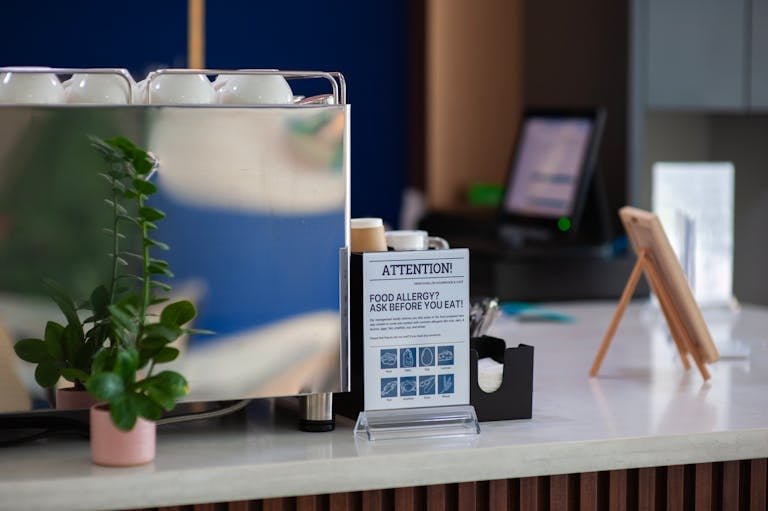
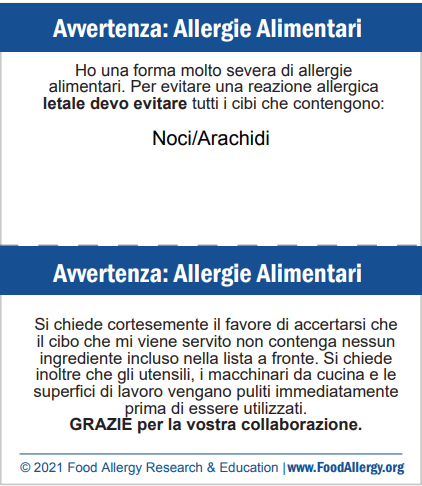
This is probably the single most useful thing you can do for vegan travel with food allergies. An allergy card is a small printed (or digital) card in the local language that explains exactly what you cannot eat and why.
Don’t rely on translation apps at the restaurant table. It’s stressful, the translations can be off, and it puts the burden on the server to interpret your phone screen in real time.
A good allergy card includes:
- The allergens you need to avoid, written out clearly
- A note that this is a medical necessity (not a preference)
- Common hidden sources of those allergens in local cuisine
- A request to check with the kitchen
Where to get them made:
- SelectWisely.com – professional chef-translated allergy cards for dozens of countries
- EqualEats – app-based cards with chef verification
- FoodAllergy.org – interactive PDF of chef card templates
Always carry both a printed version and a digital backup on your phone.
Step 4: Pack a Smart Vegan Allergy Travel Kit
You are not going to find a safe meal at every stop. That’s just reality. The solution isn’t to panic, it’s to pack snacks like a professional.
Your kit should cover two situations: (1) you can’t find anything safe nearby, and (2) you’re stuck somewhere without any good food options.
What to Pack:
- Single-serve nut butters or seed butters (sunflower seed butter is great if you have a tree nut allergy)
- Allergy-safe protein bars — read labels obsessively, and find a brand that works for your specific needs before the trip
- Rice cakes or oat-free crackers (if you’re gluten-free)
- Dried fruit — simple, filling, universally safe
- Your go-to allergy-safe instant oatmeal packets or a noodle cup you trust
- A small immersion heater if you’re doing longer trips or staying in accommodations with just a sink
Step 5: Master the Art of Communicating With Restaurants
This is where a lot of allergy travelers get nervous. It doesn’t have to be a scary conversation, it just needs to be clear.
Before You Sit Down
Look up the restaurant’s menu online. If there’s a phone number, consider calling ahead. Ask if they can accommodate both vegan and [your specific allergy]. If the person on the phone sounds uncertain or dismissive, that’s data.
At the Restaurant
Lead with your allergy card. Don’t bury the ask, put it on the table (literally) at the start of the interaction. Let the server take it to the kitchen if needed.
Be specific. Don’t say “I have a nut allergy.” Say “I’m allergic to all tree nuts, including cashews, almonds, and walnuts. Even cross-contamination can make me very sick. Can you help me find something on the menu that’s completely free of these?”
A Few Phrases That Help
- “Is this dish made in the same pan as [allergen]?”
- “Can the chef confirm there’s no [allergen] in the sauce?”
- “I’m not being picky — this is a health issue for me.”
How to Handle Vegan Travel With Food Allergies at Specific Types of Destinations
All-Inclusive Resorts
These can actually be great, you have access to the kitchen team and can often request allergy-safe meals in advance. Email the resort before arrival. Most high-end all-inclusives have a dedicated allergy protocol. Ask for it.
Airbnbs and Self-Catering Accommodations
Honestly, one of the best options for vegan travel with food intolerances. You control what goes in your food. Seek out accommodations with full kitchens on longer trips. Hit the local market, stock up on whole foods, and cook for yourself at least a few meals a day.
Hostels
Common kitchens can be cross-contaminated with literally everything. If you’re using shared kitchen facilities, bring your own cutting board, utensils, and ideally your own small pot or pan. Label your food. Be vigilant.
Long-Haul Flights
Call the airline at least 48–72 hours before departure to request a vegan meal, and separately request an allergen-free meal if needed. Note: these are often two separate requests and the airline may not be able to do both in one. Bring your own snacks regardless.

Apps and Resources That Actually Help
A few genuinely useful tools for vegan travel with food allergies:
- HappyCow – still the best for finding vegan-friendly spots globally
- iEatOut Gluten Free & Allergy – great for filtering restaurants by specific allergen needs
- Spokin – allergy-specific travel app with community reviews
- Google Translate camera mode – for scanning menus in real time (as a backup, not a primary strategy)
- Vegan Travel Facebook Groups by destination – the most up-to-date, real-human intel you’ll find anywhere
A Quick Word on Gluten-Free Vegans Specifically
If you’re navigating vegan travel with gluten intolerance or celiac, you’re dealing with a particularly tricky combo because so many vegan protein sources are gluten-based: seitan, some veggie burgers, beer-battered tofu, etc.
What works well:
- Rice and bean-based cuisines (Mexican, Indian, Ethiopian – though watch the injera)
- Japanese cuisine (focus on sushi rice dishes, edamame, tofu – ask about soy sauce and use tamari)
- Thai cuisine (rice noodles are your friend – just watch for hidden soy sauce with wheat)
Always carry certified gluten-free tamari packets when traveling. They’re tiny, they save meals.
Can I find vegan food that’s also free from major allergens?
Yes, absolutely, it just takes a bit more planning. Cuisines that are naturally rich in whole foods like rice, legumes, vegetables, and fruit are usually your safest bet. Mexican, Indian, and Ethiopian food (when you can confirm preparation methods) tend to work well for many allergen profiles. The key is knowing your allergens and communicating clearly before you order.
What are the best countries for vegan travel with food allergies?
The UK, Germany, the Netherlands, Australia, and much of Scandinavia tend to be very strong for allergy awareness and vegan options. The EU’s 14-allergen labeling requirement makes dining out significantly easier in Europe. That said, with good prep, almost any country is manageable.
How do I handle a food allergy reaction while abroad?
Before you travel, research the local emergency services number and the nearest hospital or clinic to wherever you’re staying. Carry your medication (epinephrine auto-injector if prescribed, antihistamines, etc.) in your carry-on, never in checked luggage. Consider a travel insurance plan that covers medical emergencies. Know the local word for your allergen in case you need to communicate quickly.
Are vegan restaurants safer for people with food allergies?
Not necessarily. Vegan restaurants often use a lot of nuts, seeds, and soy, which are common allergens. What they do tend to have is more knowledgeable staff around ingredient questions, which can be helpful. Always communicate your allergies explicitly, don’t assume that vegan automatically means safe for your specific needs.
What should I put on my allergy translation card?
Your card should list every allergen you need to avoid by name and common local variants, a statement that this is a medical necessity (not a preference), a note about cross-contamination if relevant, and a polite request to check with the kitchen. Sites like SelectWisely or EqualEats can help you create professional, chef-verified cards in the local language.
Safe travels and happy eating — you’ve got this.