Planning a trip to France often feels intimidating when you follow a plant-based diet. Many travelers worry they will only find bread and salads, but it is actually easier than you think. In this post, I will share 15 practical tips for successful vegan travel in France. You will learn how to navigate local menus, find hidden gems in small towns, and enjoy authentic French food without any stress.
1. Learn Key French Food Phrases
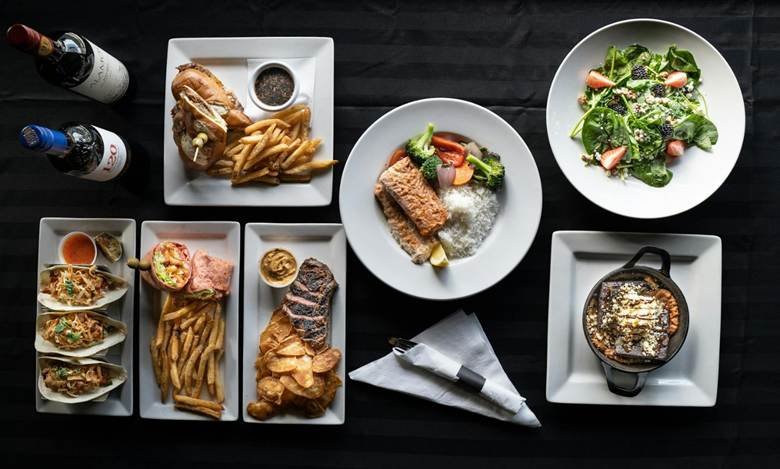
Vegan travel in France can actually be quite easy with a little preparation. French waiters appreciate it when you try to speak their language, even if you aren’t fluent. Being able to ask about ingredients politely often makes the difference between a plain side salad and a thoughtful meal.
Start by memorizing je suis végétalien, which means I am vegan. You can follow that up by asking est-ce qu’il y a du beurre ou des œufs dans ce plat? to check if the dish contains butter or eggs.
Don’t be afraid to ask if the chef can adapt a vegetarian option for you. Simply saying est-ce que c’est possible de préparer ce plat sans produits laitiers usually gets a helpful response in most local bistros. You will find that people are much more accommodating when you show a little effort to communicate in their own tongue.
2. Look for Middle Eastern Restaurants
| Feature | Traditional French Bistro | Middle Eastern Spot |
| Vegan Options | Usually just fries or salad | Hummus, falafel, and grilled veggies |
| Reliability | Often hidden in sauces | Naturally plant-based staples |
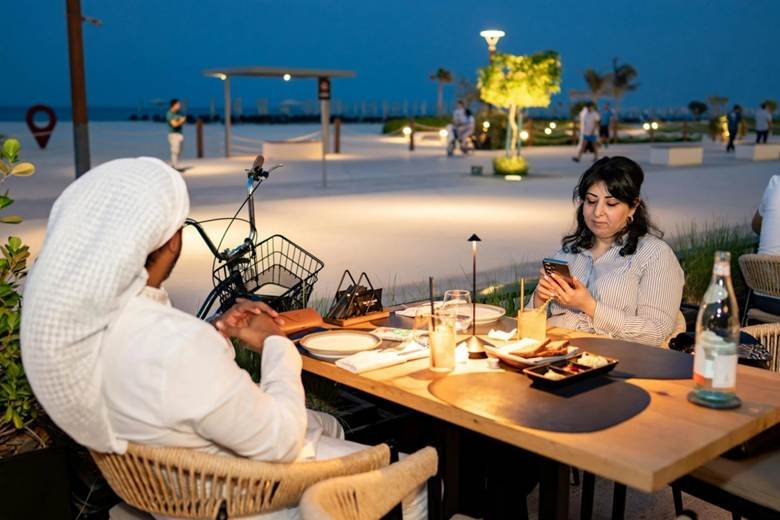
When you are wandering through a smaller French town and realize the local bistro menu is heavy on butter and cream, head straight for the nearest falafel shop. These spots are lifesavers because their base ingredients are almost always vegan by default.
You can usually count on hummus, tabbouleh, and crispy falafel to keep you full without any guesswork. These restaurants are common in cities like Paris or Lyon, and they offer a reliable break from the typical cheese-focused local cuisine.
Don’t hesitate to ask if the bread is vegan, but most pita options are safe bets. It is honestly the best way to grab a quick, satisfying meal when you are tired of searching for a modified pasta dish.
3. Check the Local HappyCow App

Using HappyCow is the only way to save your sanity when you are wandering through smaller French towns. You might think you can just rely on local bakeries, but those hidden plant-based cafes are often tucked away in alleys that you would never find by just walking around.
I always filter the app by vegan-only options to avoid the frustration of menus that claim to be friendly but only offer a side salad. It is a total lifesaver for finding reliable spots that actually serve protein-rich meals instead of just bread and jam. Keep your location services on, because the map view is much more accurate than a simple address search in unfamiliar neighborhoods.
4. Book Hotels with Plant-Based Options

Booking a hotel that understands plant-based needs saves you a massive amount of stress during your trip. You won’t have to scramble for breakfast when your options are already waiting for you in the dining room.
When you call ahead or check the website, focus on these specific steps to ensure your stay goes smoothly.
- Email the concierge a week early to ask about soy or almond milk for breakfast.
- Look for boutique hotels that highlight locally sourced ingredients on their menu.
- Check sites like HappyCow to see if vegan-friendly cafes are within walking distance of your hotel.
- Request a room with a small fridge so you can store your own snacks and leftovers.
Having a safe base makes it much easier to enjoy your travels without worrying about your next meal. For more information, check out my post on booking vegan friendly hotels and Airbnbs.
5. Shop at Outdoor Produce Markets
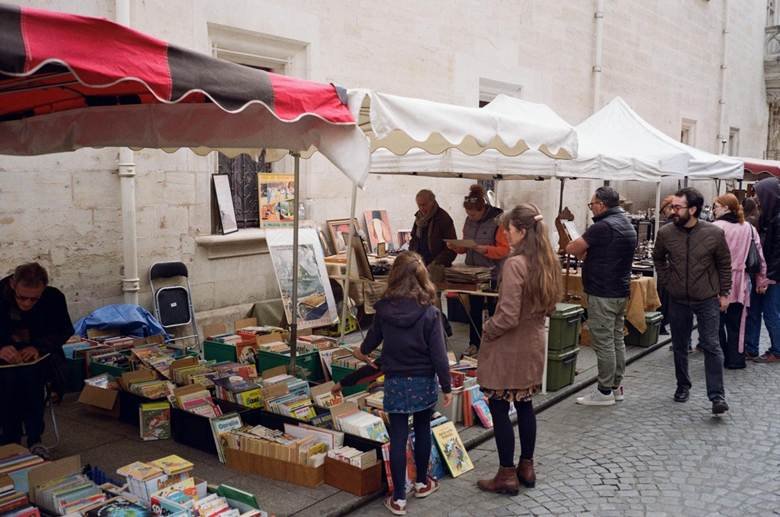
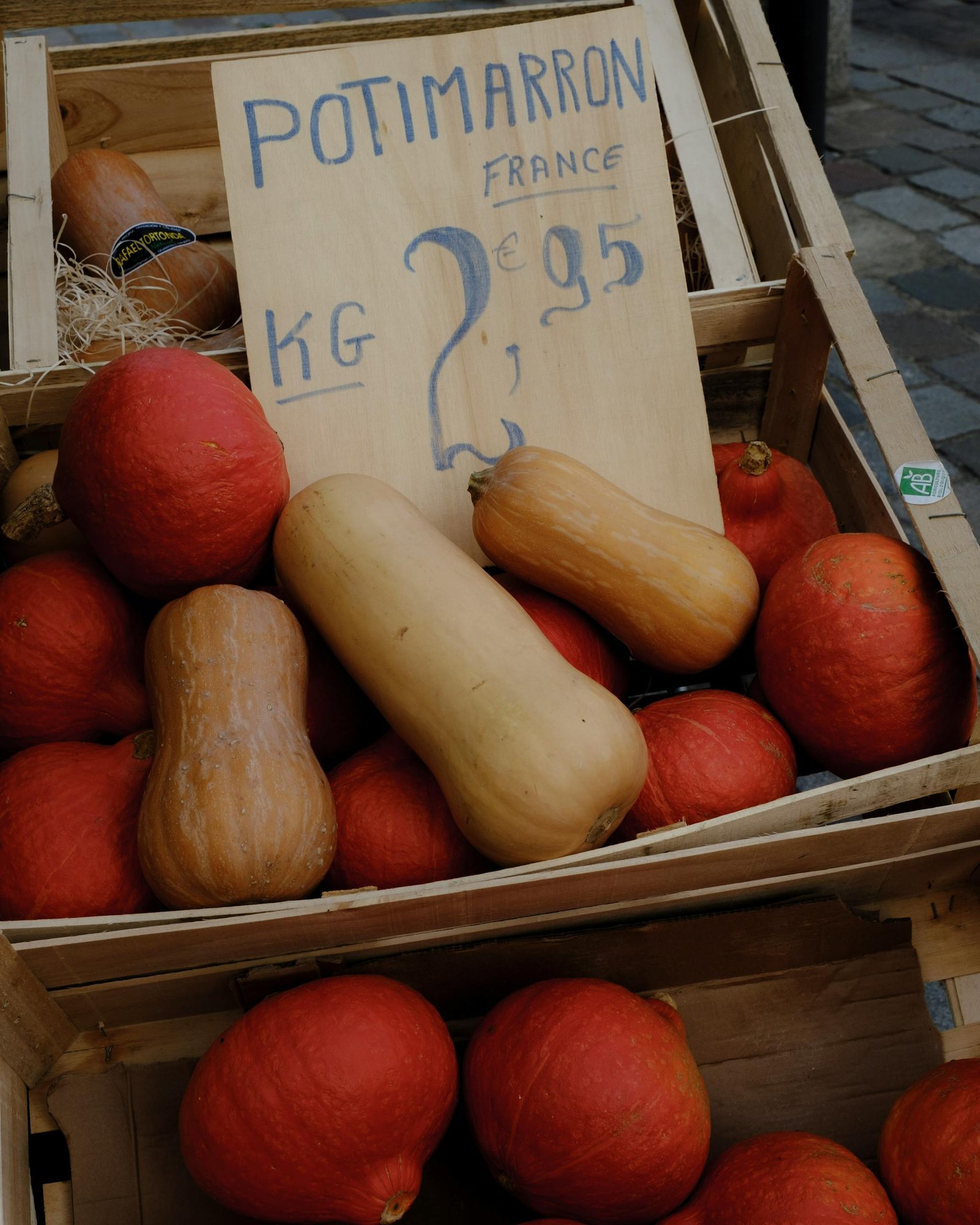
You really shouldn’t rely on supermarkets when you’re traveling through France. The best food is almost always found at the local outdoor markets that pop up in town squares each morning.
You’ll find incredible seasonal produce like heirloom tomatoes, fresh figs, and wild mushrooms that you just can’t get in a box. It’s the cheapest way to eat well as a vegan, and the quality is far better than anything you’ll find on a store shelf.
Don’t be shy about asking the farmers if they used any sprays, though most are quite proud of their organic methods. Grab a fresh baguette from a nearby bakery, pick up some olives or walnuts, and you have the perfect picnic lunch.
Keep a reusable tote bag in your backpack so you’re always ready to carry your haul back to your hotel. These markets are the heart of French food culture, so you’re getting a much more authentic experience by shopping there.
6. Visit Organic Health Food Stores
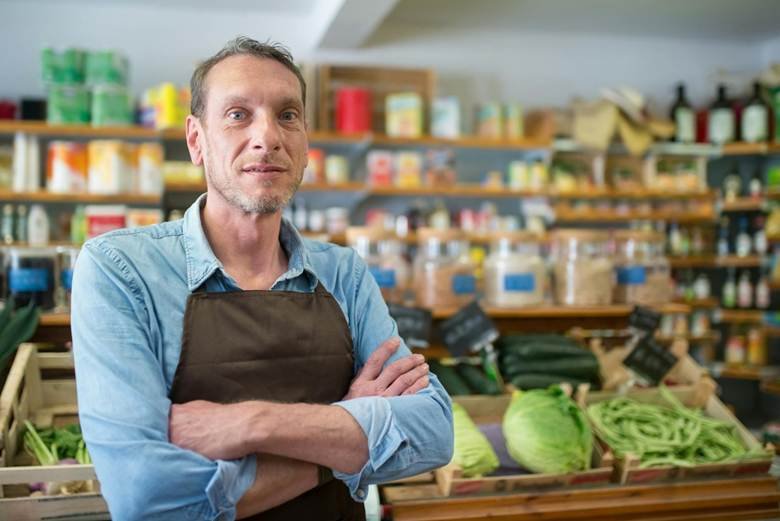
You might think French food is all about butter and cheese, but local health food stores are a lifesaver. These shops are usually your best bet for finding vegan staples when you aren’t near a plant-based restaurant.
Look for chains like Biocoop or Naturalia as you wander through cities. They carry everything from quick snacks to ingredients you can use if you’re staying in an Airbnb with a kitchen.
- Check the refrigerated section for pre-made vegan salads and tofu options that you can eat on the go.
- Grab some local fruit and nuts from the bulk bins to keep your energy up during long days of sightseeing.
- Ask the staff for their favorite local plant milks if you need something specific for your morning coffee.
- Look for regional labels to find organic snacks made by small producers nearby.
These stores are tucked away in almost every neighborhood, so keep an eye out while you walk. They make eating vegan in France feel much more manageable, even in smaller towns.
7. Order Custom Vegetable Sides at Brasseries
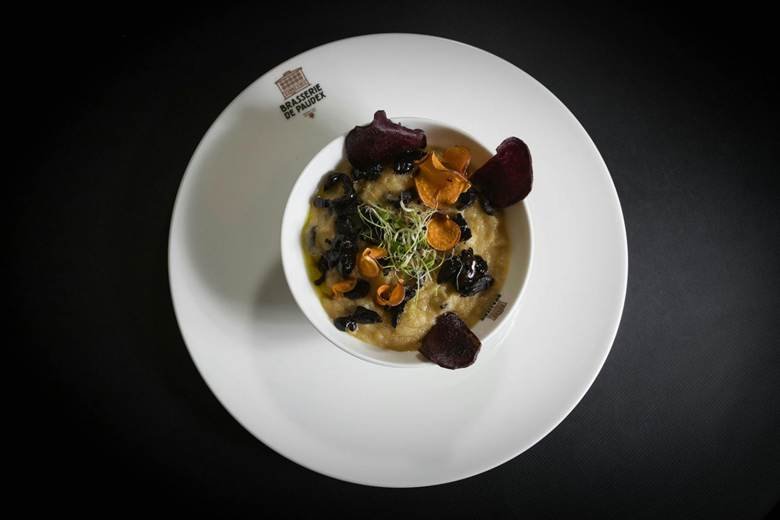
You might feel tempted to ask the waiter to modify a meat-heavy dish, but that usually leads to a plate of sad, plain steamed vegetables. A much better approach is to scan the menu for the side dishes section, which often features items like haricots verts, sautéed mushrooms, or roasted potatoes.
Ordering two or three of these individual sides creates a much more satisfying meal than trying to pick the meat off a main course. The kitchen staff is usually happy to assemble these into a single plate if you ask them politely in French.
I always recommend sticking to this side-dish strategy at traditional brasseries because it keeps you within the kitchen’s normal workflow. It avoids confusion and ensures you get a fresh, flavorful dinner that doesn’t feel like an afterthought. Just make sure to double-check that they didn’t toss your green beans in beurre, which is the French word for butter.
8. Carry a Stash of Emergency Snacks
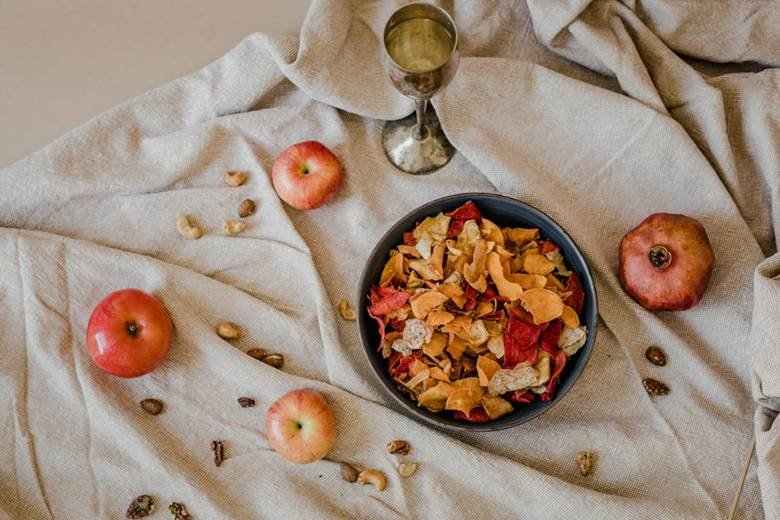
You will quickly realize that French train stations and small villages aren’t always stocked with plant-based options. Having a reliable stash of snacks saves you from getting hangry when the only thing available is a butter-laden croissant.
Pack a few bags of almonds, dried fruit, or high-protein vegan bars before you leave home. These items are light, won’t melt in your bag, and provide the fuel you need to keep moving through a long day of sightseeing.
I usually keep a couple of packs of crackers or nuts in my day bag for emergencies. It makes the transition between meal times much easier when you find yourself stuck in a rural area with limited dining choices.
9. Explore Vegan-Friendly Bakery Chains
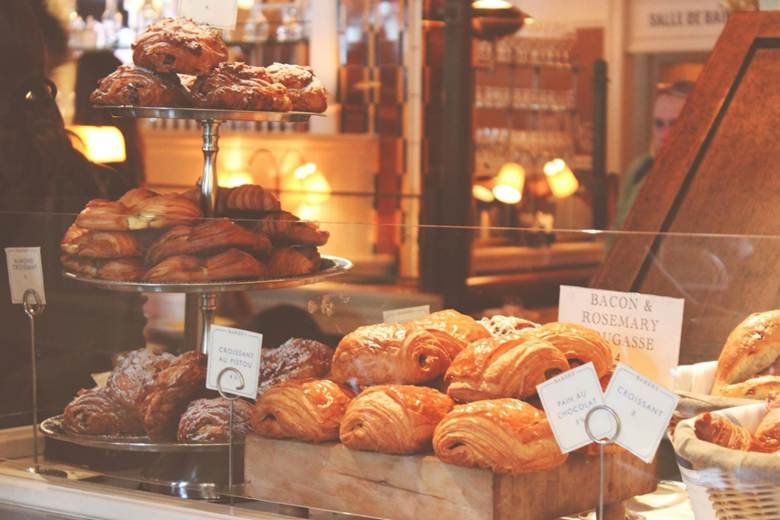
You might think finding a flaky croissant in Paris without butter is impossible, but chains like Land&Monkeys are changing the game. They specialize in plant-based versions of French classics that taste remarkably like the real thing.
| Bakery Name | Best Item | Location |
| Land&Monkeys | Vegan Croissant | Paris |
| Cloud Cakes | Cupcakes | Paris |
These spots take the stress out of your morning coffee run. You can grab a quick breakfast without checking every single ingredient label.
Most traditional boulangeries still rely heavily on butter and eggs, so stick to these dedicated shops when you need a reliable treat. They offer peace of mind when you are rushing to catch a train or just need a sweet pick-me-up.
10. Eat at Authentic Asian Eateries
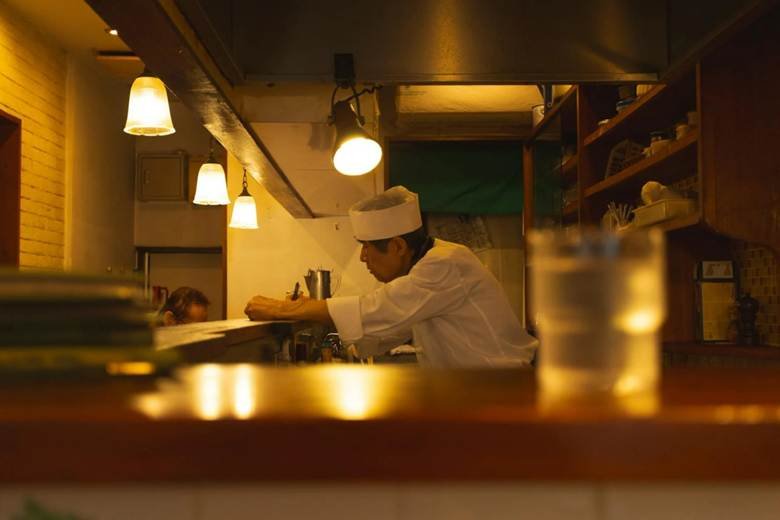
You will find some of your easiest vegan meals at authentic Asian restaurants throughout French cities. Many spots run by families from Vietnam, Thailand, or China naturally rely on tofu, rice, and fresh vegetables rather than heavy cream or butter.
I always look for pho or stir-fry dishes because they rarely contain hidden animal products. Just double-check that they aren’t using fish sauce in your noodles, and you’ll have a filling, affordable meal that beats hunting for a vegan option at a traditional bistro.
11. Try Veganized French Classic Dishes
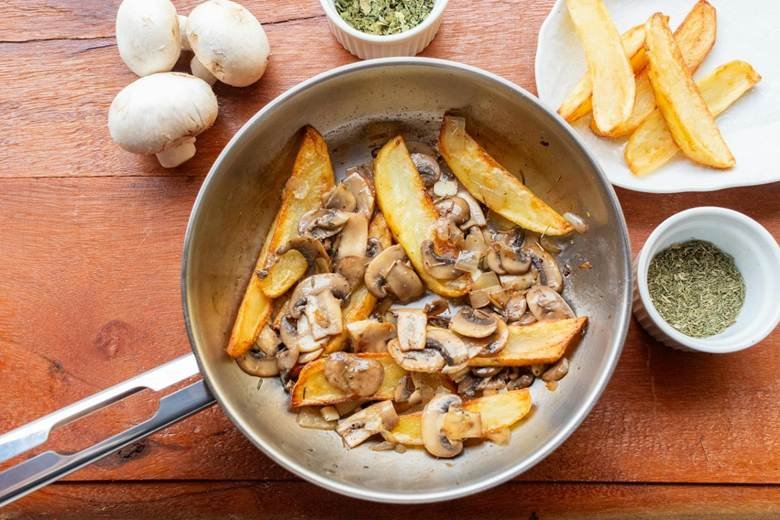
You don’t have to miss out on the rich flavors of French cuisine just because you’re vegan. Many modern bistros in cities like Paris and Lyon now specialize in plant-based versions of iconic staples.
Look for spots that offer vegan boeuf bourguignon made with hearty mushrooms or seitan. These versions capture that deep, savory essence of the original recipe without using any animal products.
- Search for restaurants labeled as vegan or vegetarian on the HappyCow app before you head out for dinner.
- Check the menu for pot-au-feu made with root vegetables and tofu instead of traditional beef cuts.
- Ask your server if the kitchen can prepare a plant-based cassoulet by swapping duck for white beans and smoked tempeh.
- Visit vegan-friendly bakeries to find dairy-free versions of classic croissants or pain au chocolat.
Eating these familiar classics in a new way makes the entire dining experience feel much more authentic.
12. Ask About Hidden Dairy Ingredients
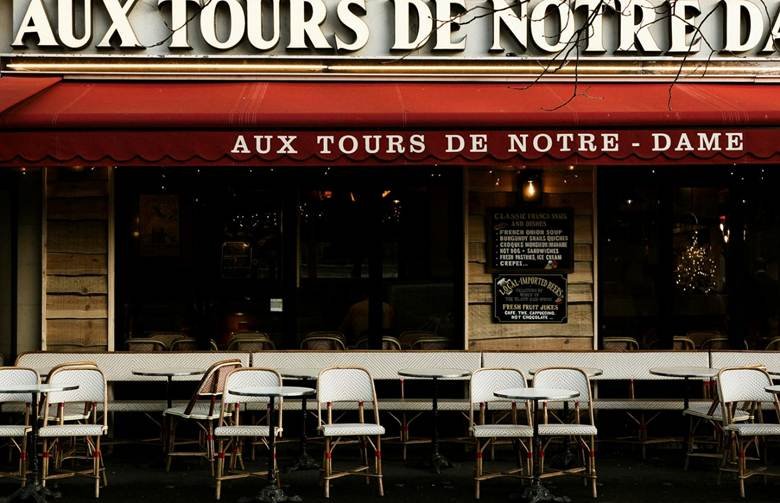
You might think a simple vegetable soup is safe, but French kitchens often rely on butter or cream to build flavor. Even dishes that look entirely plant-based can have a hidden splash of lait or beurre stirred in at the last second.
When you sit down to order, don’t just ask if a dish is vegan. Ask the server specifically if there is any butter in the pan or cream in the sauce. Using the phrase sans produits laitiers helps clear up any confusion immediately.
If you aren’t sure, it is worth asking about the bouillon as well. Chefs frequently use meat or dairy-based stocks to enrich their vegetable preparations. Being direct and polite about your dietary needs usually earns you a much better experience in the kitchen.
I always keep a small card in my wallet that explains my dairy allergy in French. It takes the pressure off the server and ensures you don’t end up with a surprise ingredient in your meal.
13. Picnic with Local Bread and Wine

You don’t need a fancy restaurant to eat well in France. Grabbing a fresh baguette and a bottle of wine is the best way to enjoy a sunny afternoon.
Most traditional baguettes are accidentally vegan because they only contain flour, water, salt, and yeast. Just double check with the baker to make sure they didn’t add any milk or butter to the dough.
- Look for a boulangerie that displays an artisan label to ensure you get a high quality loaf.
- Head to a local market or grocery store for some ripe tomatoes, hummus, or tapenade to top your bread.
- Check the wine label for the V-Label or look for organic bottles, as some winemakers still use animal products for filtration.
- Find a quiet park or a bench overlooking a canal to enjoy your meal while watching the world go by.
Keep a small knife and a napkin in your bag so you are always ready for an impromptu feast. It saves you money and keeps your travel schedule flexible.
14. Reserve Tables at Modern Bistros
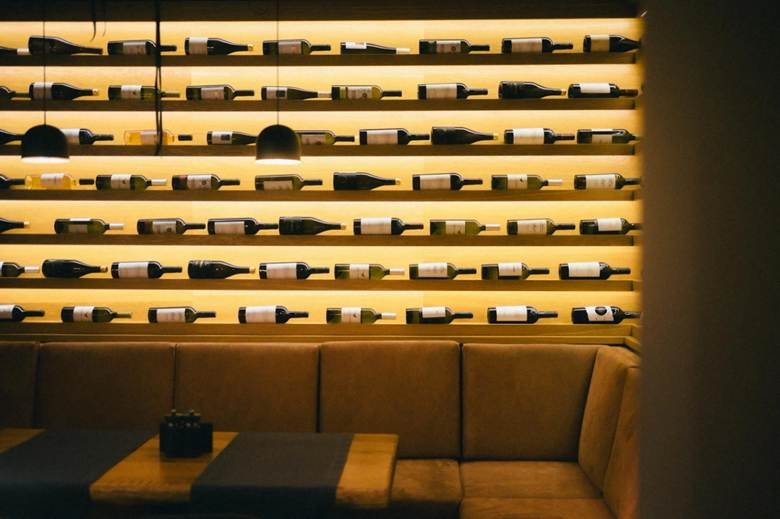
Some travelers prefer showing up to local bistros on a whim, but that strategy usually backfires when you need vegan options. You might get lucky with a side salad, but you will miss out on the creative plant-based dishes that modern French chefs are perfecting.
I always recommend using an online booking platform or calling ahead to mention your dietary needs. It gives the kitchen time to prepare something special rather than scrambling to put together a plate of steamed vegetables. You will have a much better meal if you communicate your requirements a day or two in advance.
When you book, ask if they can modify a specific dish to be vegan instead of just asking for a vegan meal. This small change often encourages chefs to show off their skills, and you will end up with a much more satisfying dinner. Making that reservation is the best way to ensure you actually enjoy the local food scene.
15. Download Offline Translation Tools

Finding vegan food in smaller French towns can get tricky if you don’t speak the language. Having an offline translation tool saves you from awkward guesswork when you’re staring at a menu full of meat dishes.
I suggest downloading the Google Translate app and grabbing the French language pack before you leave home. This lets you use your camera to scan menus in real time without needing a data connection.
You should also bookmark a few key phrases like sans produits laitiers, which means dairy-free, or végétalien for vegan. These simple words make it much easier to confirm your meal is safe when you’re dining out in a remote village.
Wrapping Up
Vegan travel in France used to be a challenge, but these fifteen tips show you how to enjoy the local food culture without compromising your values. You have everything you need to find delicious plant-based meals while visiting beautiful regions like Provence. Just pack your bags, keep an open mind, and get ready to experience the best of French cuisine on your own terms. You are going to have a fantastic time.
The Essential Vegan Travel Guide has all of the information you need to set yourself up for success as a vegan traveler.
Happy Travels!