

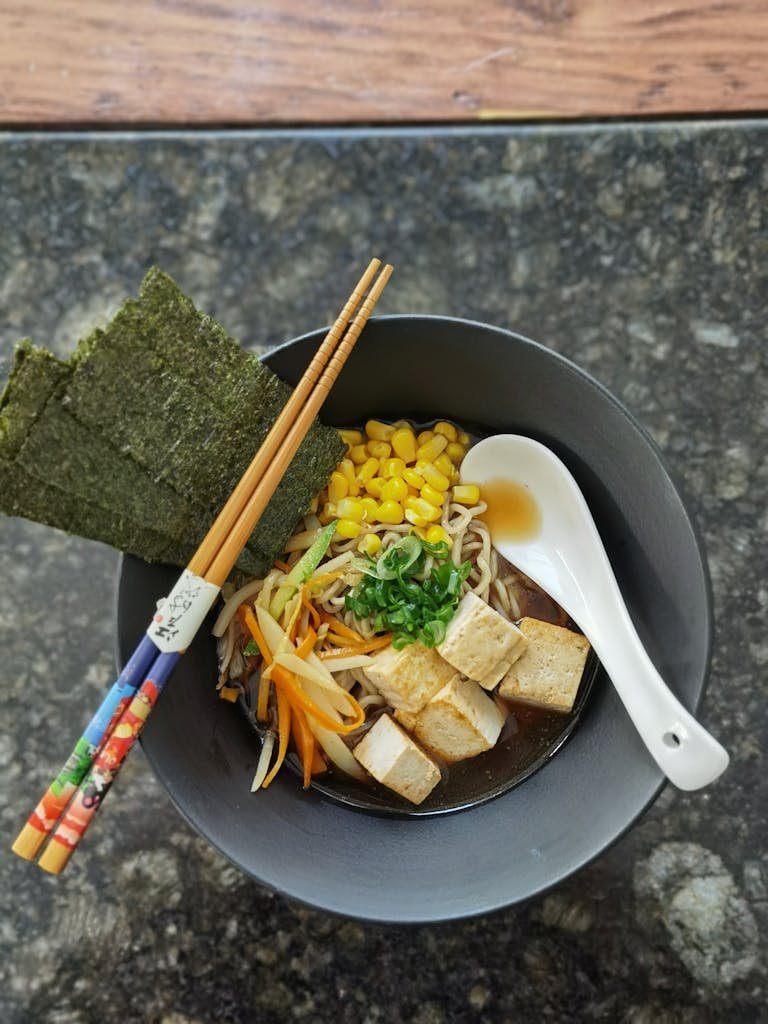
Japan has this reputation for being a rough destination if you’re vegan. You may have heard it from other travelers, read it in forums, maybe even had a well-meaning friend warn you before your trip. It’s not completely wrong, navigating a food culture built on dashi (fish-based broth), hidden bonito flakes, and minimal English menus does take a little prep work.
But being vegan in Japan is also one of the most rewarding countries in the world once you know where to look. Buddhist temple cuisine, centuries-old tofu traditions, a convenience store culture that quietly stocks some surprisingly vegan-friendly snacks, it’s all there. You just need to know the lay of the land.
This guide covers everything from decoding menus and learning key phrases to the best vegan restaurants across Tokyo, Kyoto, and beyond. Whether it’s your first time in Japan or your fifth, you’ll leave with a solid plan and zero hunger-induced panic.
Why Vegan Travel in Japan Is Trickier Than You’d Expect
Japan’s food culture is deeply tied to umami, that savory, rich depth of flavor that makes everything taste just a little more satisfying. The problem for vegans is that umami usually comes from dashi, a broth made from bonito fish flakes and/or kombu (seaweed). It shows up in miso soup, ramen, sauces, noodle dishes, and even some pickled vegetables. It’s in places you’d never think to check.
This means a dish can look completely plant-based on the surface, steamed vegetables, tofu, rice, and still contain fish-derived stock underneath. That’s not a small detail to miss.
A few other common culprits to watch for:
- Katsuobushi (bonito flakes): Often sprinkled on top of dishes like okonomiyaki or takoyaki as a garnish
- Oyster sauce: Sneaks into stir-fries and some sauces at Chinese-style Japanese restaurants
- Mirin: Most versions are vegan, but worth knowing it’s an ingredient in many sauces
- Eggs: Used widely in ramen, tamagoyaki (rolled omelet), and most street-style fried foods
None of this is meant to scare you off, it’s just the reality of eating in a cuisine that wasn’t designed with veganism in mind. Once you’re aware of it, you can navigate around it pretty comfortably.
Learning a Few Key Japanese Phrases Goes a Long Way

You don’t need to be fluent in Japanese to eat well as a vegan. You do need a handful of phrases that communicate your dietary needs clearly, and ideally, a printed or saved card on your phone that you can show restaurant staff.
Here are the most useful ones:
For ordering:
- Watashi wa bīgan desu (私はビーガンです) — “I am vegan”
- Niku, sakana, tamago, nyūseihin wa tabemasen (肉、魚、卵、乳製品は食べません) — “I don’t eat meat, fish, eggs, or dairy”
- Dashi wa haitte imasu ka? (だしは入っていますか?) — “Does this contain dashi?”
- Katsuobushi wa haitte imasu ka? (かつおぶしは入っていますか?) — “Does this contain bonito flakes?”
- Kore wa bīgan desu ka? (これはビーガンですか?) — “Is this vegan?”
The HappyCow app is your best friend for restaurant discovery, but a printed dietary card in Japanese is worth its weight in gold — especially at smaller local spots where Google Translate might not cut it. Several sites offer printable vegan cards in Japanese; grab one before your flight.
Where Vegans Can Actually Eat Well in Japan: City-by-City
Tokyo: The Plant-Based Capital of Japan

Tokyo has the highest concentration of dedicated vegan and vegan-friendly restaurants in the country. The city is massive, but the options are genuinely impressive, and growing every year.
T’s TanTan (Tokyo Station & Ikebukuro Station) This one is legendary among vegan travelers for good reason. Tucked inside Tokyo Station’s ticketed gates along the Keiyo Line, T’s TanTan serves a fully vegan ramen menu. The Golden Sesame Tantan is the signature bowl, rich, creamy, sesame-forward, and deeply satisfying. There’s also a location inside JR Ikebukuro Station. Bowls run around ¥1,000–¥1,400, and it’s open daily from around 10am to 9:30pm. Note that you’ll need to buy a platform ticket (150 yen) or tap your IC card to access the ticketed area.
AIN SOPH. Soar (Ikebukuro) About a 10-minute walk from Ikebukuro Station near Sunshine City, Soar is the most spacious and family-friendly of the AIN SOPH. locations. The “glamping” interior, think cushioned window seating, warm lighting, and a fireplace, makes it feel a lot more relaxed than you’d expect from a spot in one of Tokyo’s busiest neighborhoods. The Heavenly Vegan Pancake is the signature here and is amazing. There’s also a gluten-free vegan miso ramen on the menu, which is actually very rare to find anywhere in Japan. Reservations are recommended, and arrive early, they’re known to sell out menu items before the lunch rush is even over.
Saido (Jiyugaoka) A top-tier, upscale spot that features inventive, high-end plant-based, and often gluten-free cuisine. Saido translates to “the way of vegetables,” and has earned a strong reputation for its uncompromising approach to plant-based dining. These dishes are balanced, clean and rooted in traditional Japanese ideas of flavor harmony. Reservations are required.
Kyoto: The City With Buddhist Roots and Plant-Based Bones

Kyoto is where Japan’s Buddhist vegetarian food traditions run deepest. The city is famous for shojin ryori, the temple cuisine developed by Buddhist monks that’s naturally free of meat and fish. It’s one of the most peaceful, intentional eating experiences you can have anywhere in the world. Beyond that, Kyoto has a small but solid vegan restaurant scene that caters well to international visitors.
Choice (Northern Higashiyama) A fully vegan and gluten-free café not far from the Sanjo area. The menu leans Japanese, rice dishes, noodles, light curries, with some pasta and salads mixed in. English menus are available, and the staff is comfortable with international guests. It’s low-key and casual in the best way.
Falafel Garden (near Demachiyanagi Station) Not Japanese food, but sometimes you just want a falafel wrap after three days of soba noodles. Falafel Garden is a well-loved vegan and vegetarian Middle Eastern spot north of central Kyoto, near the Philosopher’s Path. Staff speak English, the menu is straightforward, and the portions are generous. Hummus platters, falafel wraps, and taco rice are the highlights. Great lunch stop if you’re walking the Philosopher’s Path.
Mumokuteki Café (Downtown Kyoto) Right in the heart of downtown near Nishiki Market, Mumokuteki is a go-to for a reliable vegan and vegetarian lunch. The English menu labels everything clearly, and the lunch sets offer good value. It’s popular with both locals and tourists, so earlier is better if you want to avoid a wait.
Shojin Ryori (Temple Cuisine) If budget allows, experiencing shojin ryori at least once in Kyoto is worth it. Several temples and high-end restaurants offer multi-course vegan kaiseki-style meals that are as much about mindfulness as they are about food. Many require advance reservations, and some can only be booked through a hotel concierge or tour operator. If you want the full experience, it’s worth planning ahead.
Osaka: Street Food City With Surprising Vegan Options
Osaka has a reputation as Japan’s kitchen, and the street food here, takoyaki, okonomiyaki, kushikatsu, is largely meat and seafood-based. But if you dig a little, the city has a decent vegan and vegetarian dining scene.
Vegan okonomiyaki (the savory Japanese pancake) is something worth seeking out specifically in Osaka. A handful of restaurants specialize in egg-free, dairy-free versions, and they’re seriously delicious. Apps like HappyCow are your best resource here for finding current spots, as Osaka’s vegan restaurant scene shifts more than Tokyo’s or Kyoto’s.
The World Expo 2025 brought a wave of new attention to Osaka’s international food scene, and some of that vegan-friendly energy is still showing up in the city’s dining options as of 2026.
Vegan in Japan: Convenience Store Survival
Japan’s convenience stores, 7-Eleven, FamilyMart, and Lawson, are more vegan-friendly than most people expect. They won’t replace actual restaurants, but for snacks, quick breakfasts, and late-night runs, they’re a lifesaver.
Things to look for:
- Onigiri (rice balls): The plain ones filled with pickled plum (umeboshi) or seasoned kelp (kombu) are almost always vegan. Check labels to be safe.
- Edamame: Usually sold as a small bag of salted, cooked edamame — simple and vegan
- Plain steamed rice or rice bowls: Some locations offer simple rice dishes; check ingredients carefully
- Miso soup packets: Many instant miso soup packets contain dashi — look for kombu dashi versions, which are made from seaweed
- Fruit cups and fresh fruit: Always a safe bet
- Roasted nuts and seeds: Widely available in snack-sized bags
- Potato chips: Many flavors are vegan; the plain salted ones almost always are
The T’s brand also sells packaged instant ramen at convenience stores across Japan, which is 100% vegan and genuinely good.
Navigating Vegan-Friendly Food at Japanese Restaurants
The Dashi Problem (and How to Handle It)
The vast majority of Japanese restaurants use dashi in their broth, sauces, and soups. When you’re sitting down at a traditional ramen shop, soba restaurant, or izakaya, dashi is almost certainly involved somewhere.
A few strategies that actually work:
- Ask specifically about dashi – most restaurants will understand the question, especially if you show them the written phrase on your phone
- Look for kombu dashi – some health-conscious and Buddhist-leaning restaurants use seaweed-based broth instead of fish-based broth
- Seek out shojin ryori restaurants – these are specifically designed without any fish or meat products
- Stick to dedicated vegan restaurants in major cities – this removes the guesswork entirely
Foods That Are Often (But Not Always) Vegan
- Zaru soba (cold buckwheat noodles): The noodles themselves are usually vegan, but the dipping sauce often contains dashi
- Yudofu (tofu hot pot): A Kyoto specialty – the broth is typically kombu-based, making it vegan
- Vegetable tempura: The batter is usually just flour and water, but it’s often fried in the same oil as seafood tempura and served with dashi-based dipping sauce
- Natto (fermented soybeans): 100% vegan, widely available at convenience stores and breakfast spots
- Edamame: Always vegan
- Plain steamed rice: Always vegan
Tips for Eating Vegan in Japan Without Losing Your Mind
A few practical things that will make your trip significantly smoother:
Download HappyCow before you land. The app has solid listings across Japan’s major cities and even has some coverage in smaller towns. Having it downloaded and location-enabled saves a lot of time.
Save key phrases to your phone’s notes app. You don’t want to be searching for Google Translate when you’re standing at a restaurant counter with people waiting behind you. Having your dietary explanation already saved and ready to show cuts the awkward pause significantly.
Research your accommodations. Some ryokan (traditional Japanese inns) offer breakfast and dinner as part of the stay, and many can accommodate vegans with advance notice, but you have to ask ahead of time, often at least a day or two before.
Be flexible with timing. Some of the best dedicated vegan restaurants keep shorter hours or irregular schedules. Always double-check hours before you go, and don’t expect the same consistency you’d get from chain restaurants.
Carry snacks. This is just good travel practice in Japan, where late-night restaurant options can get thin outside of convenience stores. A bag of nuts, some fruit, or a packaged T’s ramen cup from a convenience store can save you from a bad hunger decision at midnight.
Is it hard to be vegan in Japan?
It takes more planning than traveling to, say, Berlin or Los Angeles, but it’s far from impossible. Major cities like Tokyo, Kyoto, and Osaka all have solid vegan restaurant options. The bigger challenge is navigating hidden fish products (like dashi) in dishes that look plant-based. Learning a few key phrases and using apps like HappyCow makes a big difference.
What is dashi and why does it matter for vegans?
Dashi is a Japanese stock made primarily from bonito fish flakes and/or kombu (dried kelp). It’s the flavor base for an enormous number of Japanese dishes, miso soup, ramen broth, noodle dipping sauces, and more. Kombu-based dashi is vegan; bonito-based dashi is not. When in doubt, ask.
Are there vegan options at Japanese convenience stores?
Yes, more than people expect. Plain onigiri filled with umeboshi (pickled plum) or kombu (kelp), edamame, roasted nuts, fresh fruit, and some packaged instant ramen (particularly the T’s brand) are all vegan-friendly. Always check ingredient labels when you can.
What is shojin ryori and is it vegan?
Shojin ryori is traditional Buddhist temple cuisine that has been practiced in Japan for over a thousand years. It excludes all meat and fish, and often avoids “stimulating” vegetables like garlic and onion as well. Most versions are naturally vegan, though some traditional preparations may include eggs or dairy. It’s a deeply intentional dining experience and worth trying at least once if you visit Kyoto.
Can I eat vegan at a ramen shop in Japan?
Most traditional ramen shops are not vegan-friendly — the broth almost always contains animal products. However, the number of dedicated vegan ramen restaurants has grown significantly, with T’s TanTan being the most well-known example. In larger cities, checking HappyCow for ramen-specific vegan options is your best bet.
Traveling to Japan soon? Save this guide and drop any questions in the comments below. We’ve also got a full breakdown of the best vegan world destinations by region, as well as amazing animal sanctuaries you can visit if you’re building out a bigger Asia trip.