What It’s Really Like Traveling Vegan in Rural Areas
There’s a certain kind of panic that sets in when you’re driving through a small town, your stomach is growling, and the only restaurant on the main strip has a menu that’s basically a love letter to pulled pork. You start doing mental math. Can you make a meal out of side dishes? Is the gas station two exits back still open?
Traveling vegan in rural areas is its own adventure within the adventure. It’s not always easy, but it’s absolutely doable, and once you figure out your rhythm, it can feel kind of empowering.
This guide is for anyone planning a road trip through the countryside, visiting family in a small town, or exploring a region that hasn’t quite caught up to the oat milk wave yet. Here’s what to actually expect, and how to handle it without turning every meal into a crisis.
Why Rural Travel Hits Different for Vegans
Most vegan travel guides focus on cities. And that makes sense, cities have dedicated vegan restaurants, plant-based fast food options, and grocery stores that stock every alt-dairy product imaginable. Rural areas are a completely different story.
In a small town, you might be working with one grocery store, a diner, a pizza place, and a gas station. That’s it. The nearest Whole Foods could be two hours away. And while that sounds limiting, plenty of vegans travel through these areas all the time without going hungry.
The key is adjusting your expectations and your strategy before you leave.
The Reality of Grocery Shopping in Small Towns
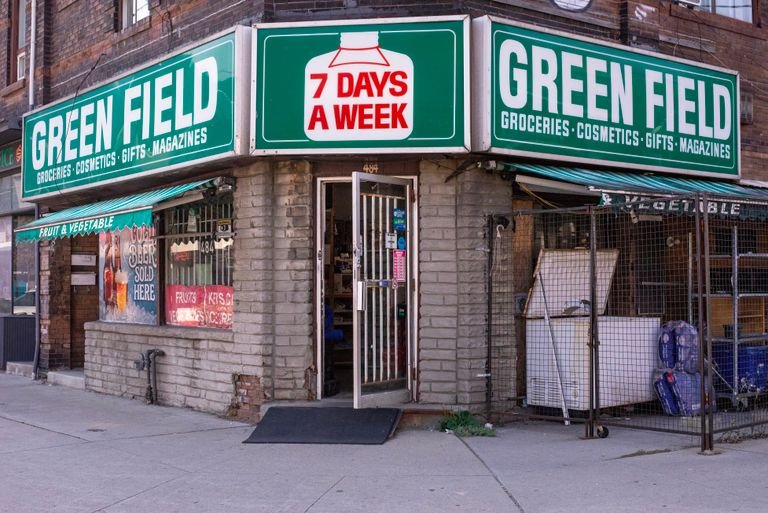
One of the first things you’ll notice is that smaller grocery stores still carry the basics. Produce, rice, beans, oats, peanut butter, bread, pasta, canned goods, all of that is usually there. It might not be organic, and there might not be 12 varieties of hummus, but you can absolutely put together solid meals from what’s available.
What you likely won’t find in abundance: plant-based milks beyond maybe one or two options, specialty items like nutritional yeast or tempeh, vegan cheese, or anything marketed specifically as vegan. That stuff tends to live in larger grocery chains or natural food stores.
What to Grab When You Find a Decent Store
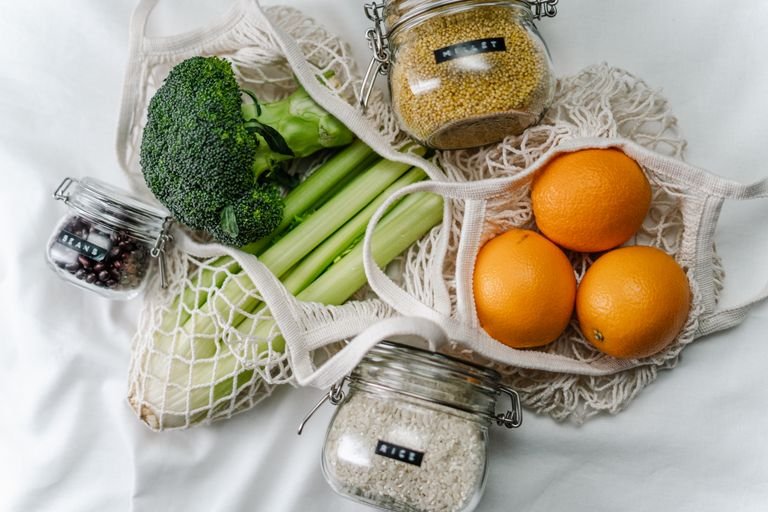
Stock up when you can. Seriously. If you pass through a slightly larger town that has a decent grocery store, treat it like you’re prepping for a week. Here’s what tends to travel well:
- Nut butter packets (single-serve, no refrigeration needed)
- Crackers and rice cakes
- Dried fruit and mixed nuts
- Instant oatmeal packets
- Canned beans and a small can opener
- Shelf-stable plant milk in individual cartons
- Fresh fruit, apples, bananas, and oranges hold up well in a bag
Having a small cooler in the car changes everything. With ice from any gas station, you can keep things like hummus, fresh vegetables, and leftovers cold for a day or two.
Eating at Restaurants When Options Are Limited
This is where most vegan travelers feel the most uncertainty, and it’s also where flexibility goes a long way.
Rural restaurants are usually not hostile to dietary needs, they’re just not set up for them. Most diners and small-town spots have never thought about vegan customers as a demographic. But that doesn’t mean there’s nothing for you.
How to Navigate a Rural Diner Menu
Look past the main dishes and go straight to the sides. In most American diners, you can usually piece together a reasonable plate from:
- Baked potato or fries (ask if fried in beef tallow, some are, most aren’t)
- Side salad (hold the cheese and croutons, dressing on the side)
- Steamed or sautéed vegetables
- Toast or English muffin with jam (clarify if they use butter on the grill)
- Oatmeal at breakfast (ask about the cooking liquid)
- Fruit cup
It’s not a thrilling meal. But it’s food, and it keeps you going.
The thing most people forget is that you can just ask. Something like, “I don’t eat meat or dairy, can the kitchen throw together something simple?” often gets a surprisingly warm response, especially at smaller, family-owned spots where the cook has a little more flexibility than at a chain.
Pizza Places Are Your Friend
Pizza shops exist in almost every small town, and most of them will make a cheese-free pizza without much fuss. Pile on the vegetables, ask about the dough (most basic pizza dough is vegan), and you’ve got a decent meal. It’s not the most exciting vegan dinner, but it works.
Mexican Restaurants in Rural Areas
Don’t underestimate the local Mexican spot. Rice, beans, guacamole, and salsa are almost always vegan, and you can usually build a solid burrito bowl or plate of tacos with just vegetables. Ask about lard in the beans, some places still cook with it, but many don’t. Happy Cow can help you find the locations of these restaurants.
Gas Stations and Convenience Stores: Lower Your Expectations, Raise Your Resourcefulness
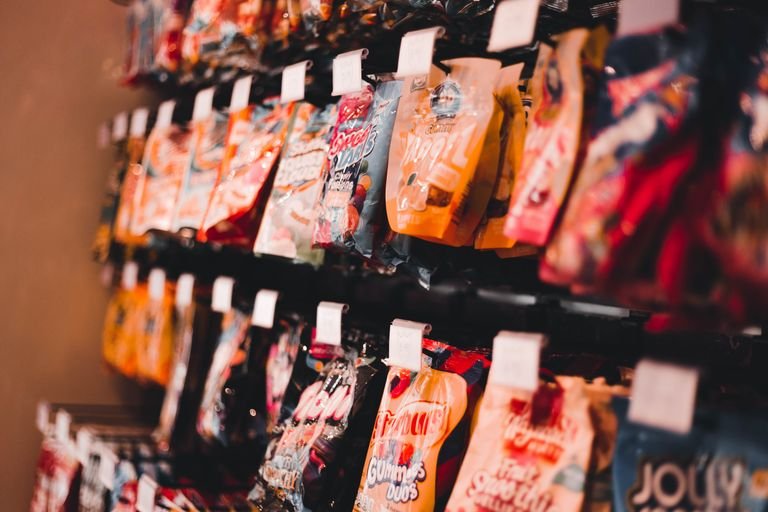
There’s a version of vegan travel where you find beautiful farm stands and roadside produce markets. That happens sometimes. And then there’s the version where you’re at a Flying J at 10pm and you need to eat something.
Most gas stations and convenience stores, even in rural areas, carry:
- Planters peanuts or mixed nuts
- Sunflower seeds
- Pretzels (check for butter flavoring)
- Oreos (yes, they’re vegan, still a win in a pinch)
- Fruit (bananas, apples, and oranges are common)
- Juice and water
- Instant oatmeal cups (just add hot water from the coffee station)
- Peanut butter crackers
It’s not glamorous, but it’s enough to bridge you to the next real meal. Keeping expectations realistic here helps a lot.
The Mindset Shift That Makes Rural Vegan Travel Easier
A lot of the stress around traveling vegan in rural areas comes from treating it the same way you’d treat eating at home or in a city. When you’re in a place with limited options, rigid expectations lead to frustration.
The shift that helps most: focus on staying nourished, not on eating perfectly. Rural travel is temporary. You’re not going to develop nutritional deficiencies from a few days of eating rice and beans, gas station fruit, and side salads. Your ethics don’t waver just because the menu is limited.
Some vegans also find it helpful to research a little before arriving in a new area. Apps like HappyCow have listings even in small towns, and sometimes you’ll find a little gem, a natural food co-op, a Buddhist restaurant, a bakery that happens to be entirely plant-based, hiding in a place you’d never expect.
When You’re Staying Somewhere With a Kitchen
This is a game changer. If you’re renting a cabin, staying with family, or have any kind of kitchen access, grocery shopping becomes your best tool. You can cook actual meals, prep snacks for the road, and stop relying on restaurants entirely. Even a basic Airbnb kitchen means you can make oatmeal, pasta, stir fry, and countless other simple vegan meals without any drama.
Planning Ahead Without Over-Planning
You don’t need a spreadsheet. But a little preparation makes a big difference.
Before a rural trip, spend 15 minutes doing a quick scan of the area:
- Look up the nearest grocery stores using Google Maps and note which ones seem larger
- Check HappyCow for any vegan or vegan-friendly spots along your route
- Pack a small “emergency kit” in a bag or cooler, nut butter, crackers, a few pieces of fruit, and some shelf-stable snacks
- Identify if you’ll have kitchen access at any point in the trip
- Download offline maps in case you lose service in rural areas
That’s it. You don’t need to plan every meal. You just need to know where your backup options are.
Traveling Vegan in Rural Areas Is Worth It

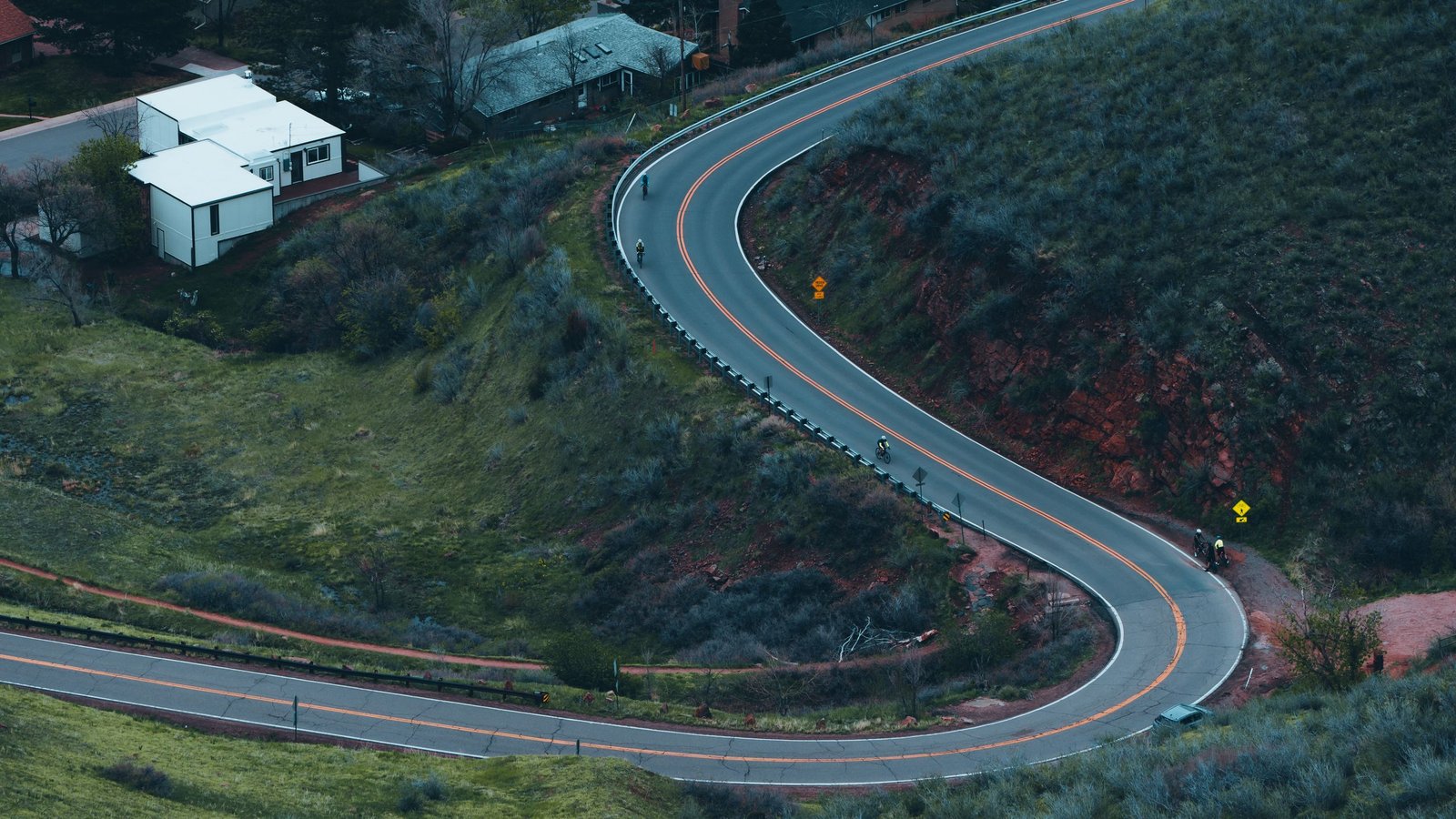
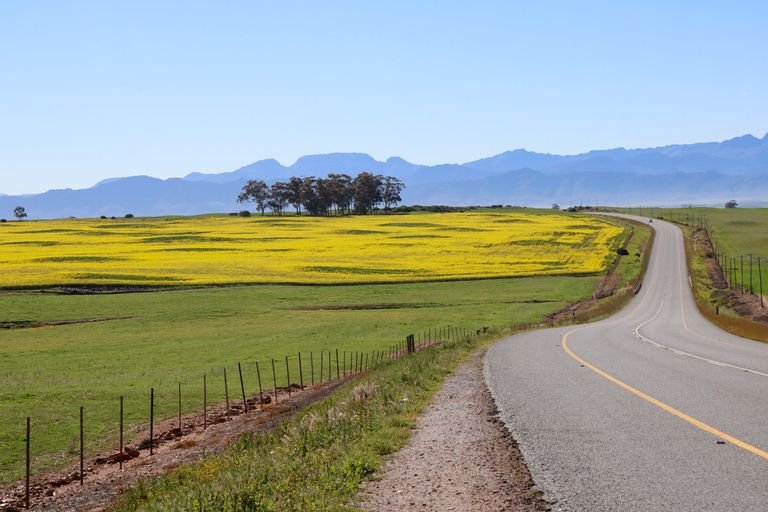
The food part is a real challenge sometimes. But rural travel has something that city travel rarely does: space, quiet, and a kind of beauty that’s hard to find anywhere else. Rolling farmland, mountain backroads, tiny towns with unexpected character, none of that becomes less worth seeing just because the local diner doesn’t have a vegan section.
With a little flexibility and a well-stocked cooler, you can move through almost any rural area as a vegan without it becoming the defining struggle of your trip. The more you do it, the more your problem-solving instincts sharpen, and what once felt stressful starts to feel like just another part of the adventure.
Can you actually eat vegan in a small town?
Yes, though it takes some creativity. Most small towns have a grocery store where you can find produce, beans, rice, and pantry staples. At restaurants, look beyond the main dishes and ask servers if the kitchen can put something simple together, you’d be surprised how often they can.
What should I pack for a vegan road trip through rural areas?
A small cooler is worth its weight. Pack nut butters, crackers, fresh fruit, shelf-stable plant milk, dried beans or lentils if you’ll have cooking access, and a few shelf-stable snacks like nuts and seeds. Supplement with grocery stores along the way whenever you pass through a larger town.
Are there apps that help vegans find food in rural areas?
HappyCow is the most popular option and has listings even in smaller towns. Google Maps is also useful for finding grocery stores and restaurants with filters for dietary needs. In areas with spotty cell service, download your maps offline before you head out.
What do you do when there’s literally no vegan food at a restaurant?
Most restaurants have something workable hiding in the sides and extras, baked potatoes, steamed vegetables, plain rice, salad without cheese, fruit cups, or toast with jam. You can also just ask. Explaining your situation simply and politely often prompts the kitchen to accommodate you in ways that aren’t on the menu.
Is it harder to travel vegan in rural areas compared to cities?
It’s definitely more effort. Cities have dedicated vegan restaurants, more grocery options, and better awareness of plant-based diets. Rural areas require more planning, flexibility, and comfort with imperfect meals. That said, plenty of vegans road trip through rural areas regularly; it just becomes easier the more you do it.