Whether you’re planning a trip to the UK, making your way through Spain, or doing a deep dive into the Bavarian forest, there’s a sanctuary worth building your itinerary around. These places rescue animals who would have otherwise faced unimaginable suffering, give them names and personalities and safe homes, and then open their gates for visitors who want to experience something that actually matters.
This post covers some of the best vegan animal sanctuaries in Europe that are currently open for visits, verified, thoughtfully run, and absolutely worth the trip.
Why Vegan Animal Sanctuaries in Europe Are Worth Seeking Out
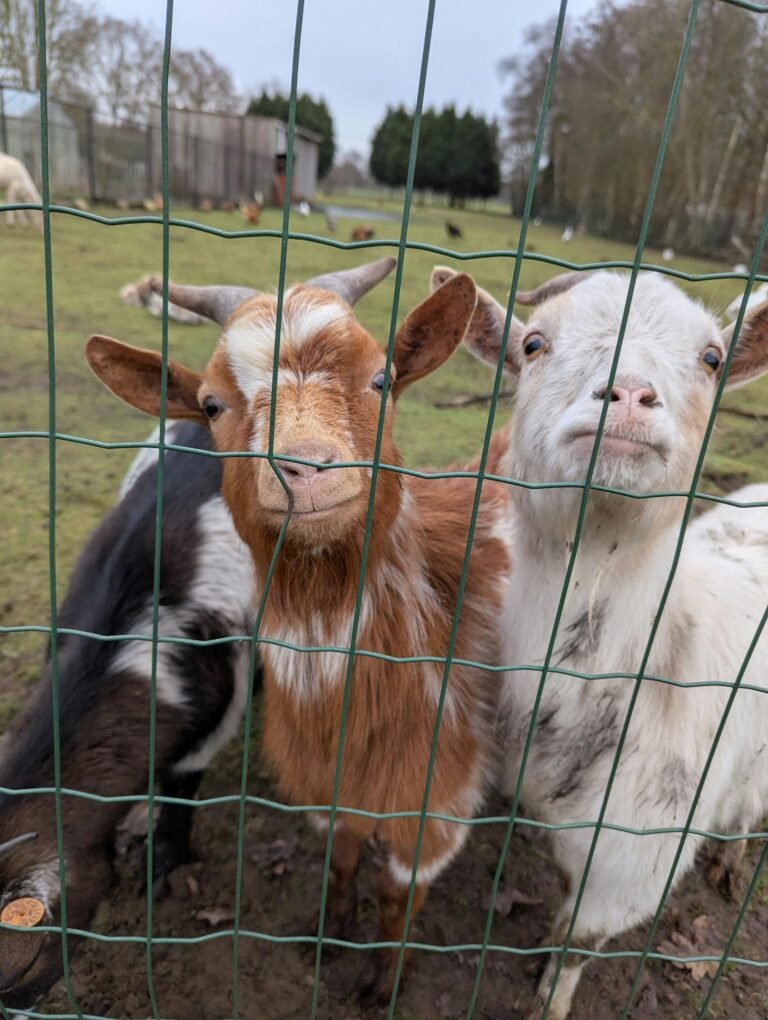
Europe has a thriving and growing farm animal sanctuary movement, and what’s cool is how much variety there is in how these places operate. Some are tucked away in the Spanish Pyrenees. Some sit in the English countryside and run cozy ‘pig-nic’ experiences. Some are deep in the Bavarian forest and host open days where school kids meet a bull named Ferdinand who once escaped a slaughterhouse on his own.
Every single one of them has the same goal: to show the world that farm animals are individuals, not products. And when you visit, that message lands in a way that no documentary, no social media post, and no article (including this one) can fully replicate.
The bonus? These sanctuaries are often located near other amazing vegan travel spots, great plant-based restaurants, beautiful cities, and scenic regions you’d want to explore anyway. Building a trip around a sanctuary visit is one of the smartest things you can do as a vegan traveler.
The Best Vegan Animal Sanctuaries in Europe to Visit
Goodheart Farm Animal Sanctuary – Worcestershire, England
Let’s start with the heaviest hitter. Goodheart is the only farm animal sanctuary in Europe to be verified by the Global Federation of Animal Sanctuaries (GFAS), and they’ve also been awarded the Outstanding Sanctuary Award for excellence in animal care. So yeah, it’s kind of a big deal.
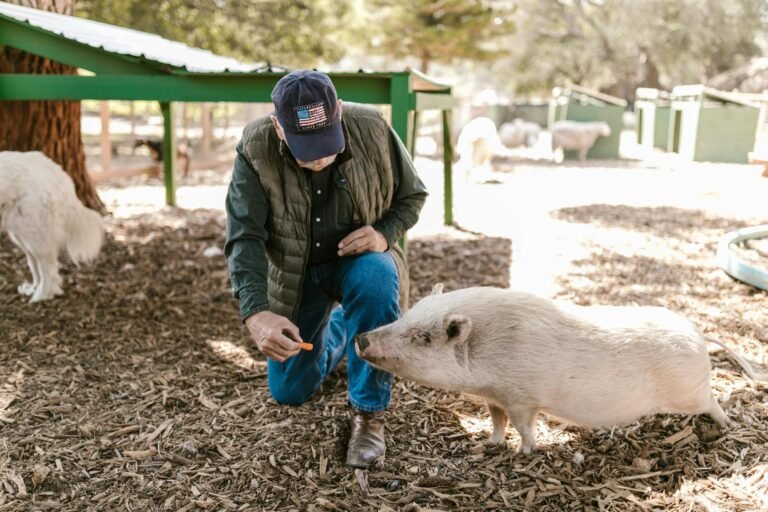
Set on 92 tranquil acres on the Worcestershire/Shropshire border, Goodheart is home to over 300 rescued animals including cows, pigs, sheep, goats, chickens, ponies, and alpacas. You can book a guided Sanctuary Tour (roughly 2.5 hours, runs spring through summer), a hands-on ‘Pig’nic Experience where you get up close with their rescued pigs, or catch their annual Open Day, which in 2026 is happening on Saturday 27th June, complete with 100% vegan food vendors, educational talks, kids’ activities, and workshops.
Visitors consistently rave about the one-on-one time with the animals and how knowledgeable the guides are. Tours are by appointment only, so plan ahead.
Best for: Families, pig enthusiasts, those wanting an GFAS-accredited, top-tier experience Location: Milson, Kidderminster, Worcestershire (DY14 0BE) Tours: Spring–summer, by appointment; Open Day June 27th, 2026 Website: goodheartanimalsanctuaries.com
Surge Sanctuary – Nottinghamshire, England
Surge Sanctuary is one of the UK’s most beloved vegan sanctuaries, and it has one of the most compelling origin stories out there. It was founded in 2020 with funding from Unity Dine, a nonprofit vegan restaurant in London — with the mission of creating a true safe haven for rescued animals. It’s now a registered UK charity, home to over 100 animals including cows, pigs, sheep, goats, chickens, and turkeys, all with names, personalities, and dedicated fan followings on social media.
If you want to meet Eric the Sheep (who thinks he’s a dog!), Matilda the pig (who escaped a farm to give birth to her piglets in a woodland), or baby cows Paul and Roo, this is the place. Private guided tours run from May through September and are £100 for up to 6 people, completely private, just your group. Tours last 1–2 hours and are led by volunteers who know every single resident’s story. They also host special open days and camping weekends throughout the year.
Tours in 2026 will sell out fast, the 2025 season sold out entirely. Check their website early and book as soon as dates go live.
Best for: Vegan advocates, social media fans of the animals, smaller intimate group visits Location: Nottinghamshire (about 30 minutes from Nottingham city centre) Tours: May–September, private groups up to 6; open days and events throughout the year Website: surgesanctuary.org
Fundación Santuario Gaia – Camprodon, Girona, Spain
If you’re heading to Barcelona or exploring Catalunya, a side trip to Santuario Gaia in the Catalan Pyrenees is a great detour to make. Founded in 2012 by Ismael López and Coque Fernández in Ogassa, near the mountain town of Camprodon, Gaia has grown into one of the most respected farm animal sanctuaries in Europe.
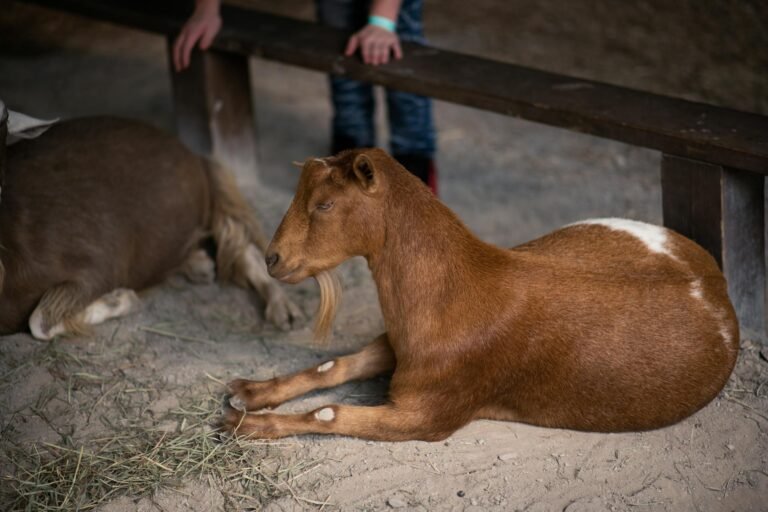
With over 1,500 animals, yes, 1,500, and over a million followers on Facebook, the scale of what they’ve built is remarkable. They care for sheep, goats, cows, pigs, horses, chickens, ducks, turkeys, geese, and more, all rescued from exploitation, abuse, or abandonment. The setting is spectacular: nestled in forests and mountains near the Pyrenees, surrounded by rivers and valleys.
Visits need to be arranged in advance (the sanctuary’s first priority is always the animals, not tourism), and they also offer volunteer placements for those who want to stay longer. Keep an eye on their website and social media for open day announcements and visiting opportunities.
Best for: Spain travelers, Barcelona day-trippers, those who want a large-scale sanctuary with stunning natural surroundings Location: Ogassa, near Camprodon, Girona, Catalunya, about 2 hours from Barcelona Visits: By prior arrangement; check website for open days Website: fundacionsantuariogaia.org
Mino Valley Farm Sanctuary – Lugo, Galicia, Spain
Founded in January 2013 by a British couple who relocated to rural Spain and couldn’t ignore the realities of farm animal suffering, Mino Valley holds the distinction of being the first farm animal sanctuary in Galicia, in northwestern Spain. It’s nestled in the woodland near the beautiful River Miño, about 45 minutes northeast of Ourense.
The sanctuary was founded with a really clear, heartfelt mission: to rescue animals, tell their individual stories, and use those stories as a tool for inspiring compassionate living. Every resident at Mino Valley is an ambassador, their job isn’t to be seen, it’s to help change minds. If you’ve ever wanted to visit a sanctuary in a truly wild, gorgeous, off-the-beaten-path part of Europe, this one’s hard to beat.
Visits are arranged by emailing the sanctuary directly to schedule a suitable time.
Best for: Northern Spain travelers, those seeking a quieter, more remote sanctuary experience Location: Near the River Miño, Lugo province, Galicia, 45 minutes from Ourense Visits: By email arrangement Website: minovalleyfarmsanctuary.org
Erdlingshof – Kollnburg, Bavaria, Germany
Head into the Bavarian Forest, about two hours northeast of Munich, and you’ll find one of Germany’s most special vegan sanctuaries. Erdlingshof, roughly translated as “farm of earthlings”, is home to over 100 rescued animals including pigs, cows, sheep, chickens, donkeys, horses, deer, goats, turkeys, geese, and even dogs and cats who are all fed a vegan diet.
The star of their Instagram is probably Ferdinand the bull, who escaped from a slaughterhouse killing box at the last second, bolted into the forest, and was found after a weeks-long search mission. He now lives peacefully at Erdlingshof. That’s the kind of story this place is built on.
They run regular visitor days and guided tours, including sessions for school groups and youth organizations, their whole ethos is about education and building empathy. If you’re in southern Germany, this is an absolutely worth-it day trip from Munich.
Best for: Munich visitors, families with kids, animal rights advocates Location: Bavarian Forest, Kollnburg, approximately 2 hours northeast of Munich Visits: Regular visitor days; check their website for dates Website: erdlingshof.de
Tips for Visiting Vegan Animal Sanctuaries in Europe
European sanctuaries tend to be smaller and more intimate than many of their US counterparts, which makes them extra special. Here’s how to make the most of your visit:
Book early, really early. Surge Sanctuary’s 2025 tours sold out completely within weeks of going on sale. Goodheart’s popular experiences fill up fast too. If you’re building a trip around a sanctuary, start with the sanctuary booking and plan the rest of your travel around it.
Bring only plant-based food. Most sanctuaries explicitly ask this, and it’s just good etiquette regardless. You’re in the animals’ home.
Check the seasonal schedule. Many UK and European sanctuaries run tours and experiences only in spring and summer, roughly April through September. Don’t assume year-round access.
Follow them on social media before you go. Getting to know the individual animals before your visit makes the experience so much richer. You’ll arrive knowing who Eric and Matilda and Ferdinand are.
Donate or sponsor an animal. Most sanctuaries offer animal sponsorship programs that directly fund care. It’s a lovely way to stay connected after you leave.
Leave a review. It genuinely helps these small nonprofits reach more visitors and raise more funds.
Building a Bigger European Vegan Adventure
One of the things I love most about vegan travel in Europe is how easy it is to layer experiences. A visit to Goodheart pairs beautifully with exploring Birmingham’s growing vegan restaurant scene. Surge Sanctuary is a perfect day trip from Nottingham or even Sheffield. Santuario Gaia fits neatly into a broader Barcelona-to-Pyrenees trip. And Erdlingshof makes for an incredible side trip on a Munich visit.
None of these have to be the whole trip, but they can absolutely be the heart of it.
If you want help building out a full European itinerary that includes sanctuary visits, great vegan restaurants, and unique experiences that most tourists never find, that’s exactly what I do. Reach out here and let’s start planning.
Are there vegan animal sanctuaries in Europe open to visitors?
Yes! There are several excellent vegan animal sanctuaries in Europe that welcome visitors, including Goodheart Farm Animal Sanctuary in Worcestershire, England, Surge Sanctuary in Nottinghamshire, England, Fundación Santuario Gaia in Catalonia, Spain, Mino Valley Farm Sanctuary in Galicia, Spain, and Erdlingshof in Bavaria, Germany. Most require advance booking, so check each sanctuary’s website for current visiting schedules.
How do I book a visit to a European vegan animal sanctuary?
Booking processes vary by sanctuary. Some, like Goodheart and Surge Sanctuary, offer ticketed tours you can purchase directly through their websites. Others, like Mino Valley Farm Sanctuary and Santuario Gaia, prefer you to reach out by email to arrange a visit. In all cases, booking in advance is strongly recommended, popular sanctuaries like Surge sell out their tour slots months ahead of time.
What is the difference between a vegan sanctuary and a regular animal sanctuary?
A vegan animal sanctuary is run on fully vegan principles, the sanctuary doesn’t breed animals, sell animal products, or use animal exploitation in any form. Staff and volunteers are typically vegan, and in many cases only plant-based food is permitted on the premises. This means every aspect of the operation reflects a commitment to animal rights, not just animal welfare. Not all sanctuaries that call themselves sanctuaries operate this way, so it’s worth researching before you visit.
Can I volunteer at a vegan animal sanctuary in Europe?
Many European vegan sanctuaries accept volunteers, including Santuario Gaia in Spain (which offers 2-week to 3-month volunteer stays) and Erdlingshof in Germany. Requirements vary, most ask that volunteers be physically capable of outdoor work, comfortable with animals, and ideally vegan or vegan-curious. Check each sanctuary’s website for current volunteer opportunities and application guidelines.
Is visiting a vegan animal sanctuary a good experience for children?
Absolutely, and it’s one of the most impactful family travel experiences you can have. Goodheart in England in particular has a strong family focus, with children’s activities, guided animal interactions, and educational talks. Erdlingshof in Germany also runs tours specifically for school groups and young visitors. Kids tend to connect with the animals instantly, and those connections can spark genuinely important conversations about compassion and food choices.
Planning a trip to Europe and want to build in a sanctuary visit? I’d love to help you put together an itinerary that hits the best vegan spots, gives you those one-of-a-kind experiences, and actually fits your travel style and budget. Let’s chat.