Southeast Asia is one of the most extraordinary travel regions on the planet – ancient temples, wild jungle, unreal food, and a pace of life that just makes you exhale. But it’s also, for animal lovers, a place where you really have to do your homework. Because alongside the beauty, there’s a real dark side to wildlife tourism in this part of the world, and it takes some effort to make sure your experiences are actually helping animals rather than hurting them.
The good news? There are genuinely incredible places doing things the right way. Rescued elephants roaming free in the Chiang Mai mountains. Thousands of street dogs and cats finding safety, healing, and love at a Phuket sanctuary that’s become one of the most-visited spots on the island. A lush eight-acre paradise on Maui where rescued farm animals spend their days in the company of visitors who just can’t believe how lucky they are to be there. My custom itinerary service is a perfect fit for vegan travelers navigating Asia’s complex wildlife tourism landscape.
This post rounds up the best vegan animal sanctuaries in Asia (with a Pacific bonus stop in Hawaii) that you can actually visit – ethically, thoughtfully, and with a lot of heart.
This content is reader-supported, which means if you click on some of our links, we may earn a small commission at no additional cost to you.
Why Ethical Animal Sanctuaries in Asia Matter So Much
Here’s the uncomfortable truth about wildlife tourism in Southeast Asia: it’s full of traps. Elephant riding, tiger selfies, shows with primates – these are common, aggressively marketed, and deeply harmful to the animals involved. The exploitation is often hidden behind feel-good language like “rescue,” “sanctuary,” or “eco-tour.”
When you find a place that’s genuinely doing it right, no riding, no performances, no forced interactions, just animals living with dignity and visitors who leave with a completely new perspective, it feels like a revelation. These sanctuaries exist, they’re open to you, and visiting them is one of the most meaningful things you can do on a trip through this part of the world.
A quick rule of thumb when vetting any sanctuary in Asia: if elephants are being ridden, if animals are chained for photos, if there are performances or shows – walk away. The places on this list have none of that. Every single one puts the animals first.
The Best Vegan Animal Sanctuaries in Asia to Visit Right Now
Elephant Nature Park – Chiang Mai, Thailand
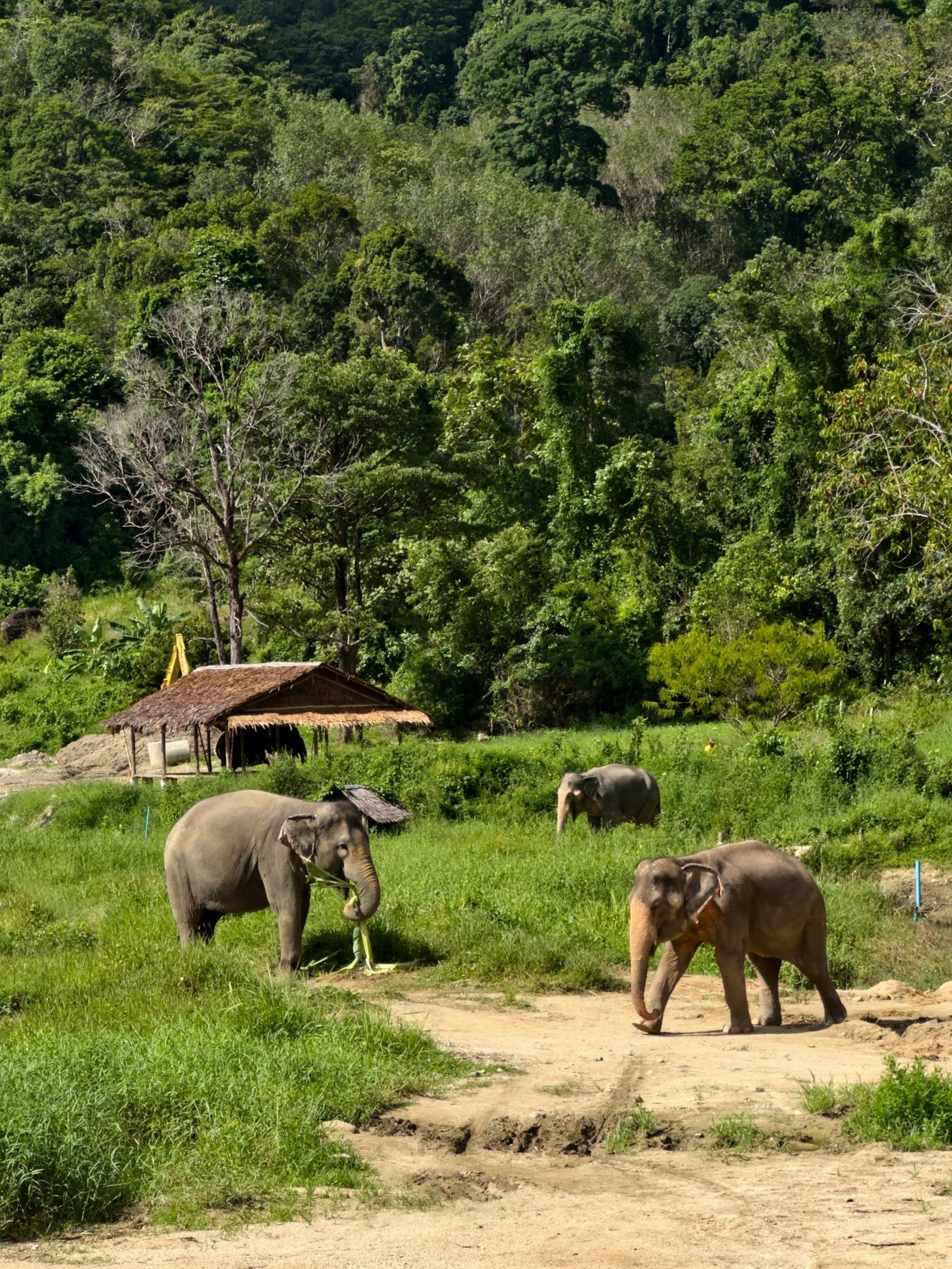
If there’s one sanctuary in all of Southeast Asia that every vegan traveler should know about, it’s Elephant Nature Park. Founded in the 1990s by the remarkable Lek Chailert, a vegan and one of the most recognized elephant conservationists in the world, ENP is an elephant rescue and rehabilitation center located about 60 kilometers north of Chiang Mai in the Mae Taeng district.
More than 100 elephants live here, every one of them rescued from logging camps, riding operations, circuses, or abusive tourism situations. They roam freely across 200+ acres of lush riverside jungle. No riding. No performances. No chains. The experience is built entirely around observation, education, and quiet, unhurried time near these animals that genuinely changes your views on the world.
Visits include a vegan buffet lunch, English-speaking guides, and hotel pickup from Chiang Mai. You can do a half-day, full day, or even stay for a week as a volunteer. Beyond the elephants, ENP also cares for rescued dogs, cats, water buffaloes, and other animals, it’s a full multi-species sanctuary with a huge, beating heart.
Lek Chailert has also expanded ENP’s model to projects in Cambodia and Myanmar, and the organization continues to push for systemic change in how elephants are treated across Asia. This is the gold standard.
Best for: Everyone -solo travelers, couples, families, first-timers, and hardcore animal advocates alike Location: Mae Taeng district, approx. 60km north of Chiang Mai Visits: Half-day, full-day, and weekly volunteer programs available; hotel pickup from Chiang Mai Website: elephantnaturepark.org
Phuket Elephant Sanctuary – Phuket, Thailand
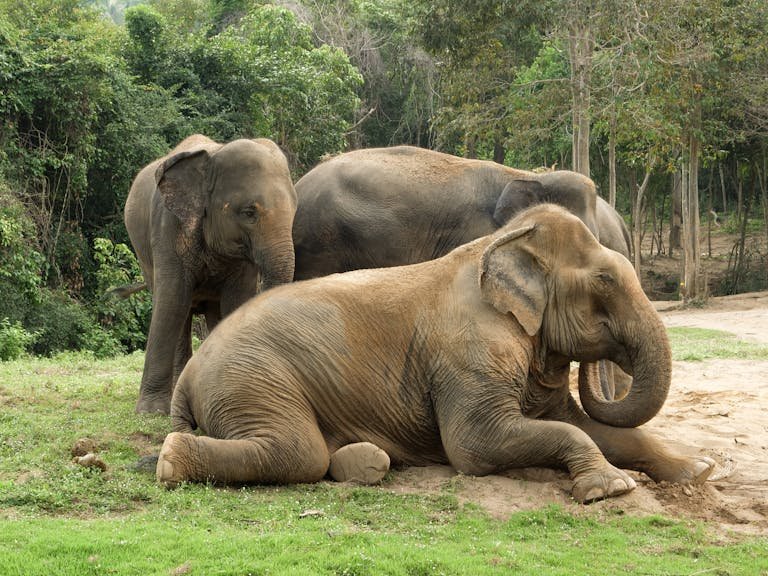
Phuket’s first ethical elephant sanctuary, and one of the most thoughtfully run in the entire country, Phuket Elephant Sanctuary sits on 30 acres of lush tropical jungle bordering Khao Phra Thaeo National Park. Since opening in 2016, it’s been a pioneer in what ethical elephant tourism can and should look like.
The elephants here – all retired from Thailand’s logging and tourism industries – live completely free to roam, forage, socialize, and bathe on their own terms. The sanctuary’s philosophy has continuously evolved toward giving the animals more and more space: as of April 2026, they’ve actually discontinued all direct feeding interactions with visitors, moving fully toward an observation-only model. It’s a rare and genuinely impressive sign of an organization putting the animals’ wellbeing above what’s convenient for the tourism experience.
Your visit includes exploring Thailand’s longest canopy walkway, guided walks through the forest with educational commentary on each elephant’s story, a visit to their on-site elephant hospital, and a delicious Thai vegetarian/vegan buffet. It’s open year-round (elephants love the rain, they note!) and books up weeks in advance during high season (December–April).
Best for: Phuket visitors wanting the most welfare-forward elephant experience available Location: Paklok area, northeast Phuket – bordering Khao Phra Thaeo National Park Visits: Half-day, afternoon, full-day programs; book in advance as it sells out Website: phuketelephantsanctuary.org
Soi Dog Foundation – Phuket, Thailand
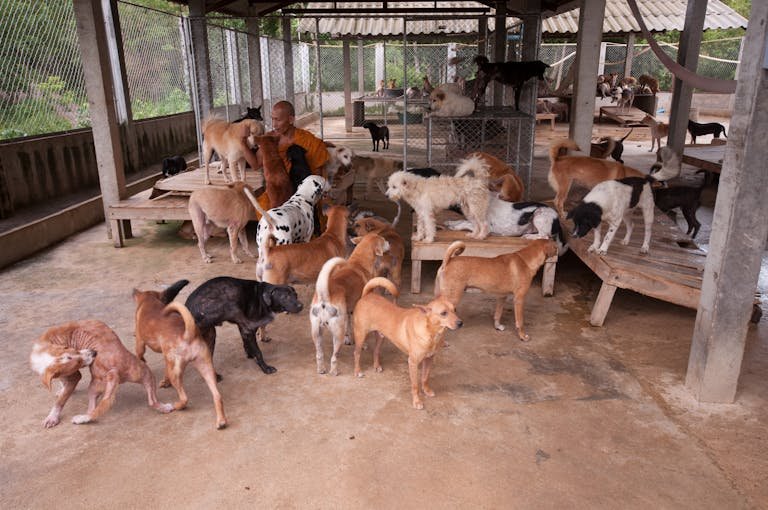
Not every sanctuary is about elephants. The Soi Dog Foundation is based in Phuket and ranked as one of the must-visit places on the island. It is one of the most respected animal welfare organizations in all of Southeast Asia – and an excellent place to spend a couple of hours.
Founded in 2003, Soi Dog rescues, heals, sterilizes, and rehomes stray dogs and cats across Thailand and beyond. Their sanctuary currently houses over 1,400 dogs and more than 400 cats. They’ve helped shut down the dog meat trade in Thailand, run a world-leading CNVR (Catch, Neuter, Vaccinate, Return) program that sterilizes tens of thousands of animals per year, and run active rescue and adoption programs internationally.
What makes this a truly special visitor experience is how warm and accessible it is. Guided tours run Monday through Friday at 10:30am and 1:30pm, are completely free, and don’t require advance booking. You’ll spend about 45 minutes learning about Soi Dog’s work and the stories of the animals, then get free time in the puppy enclosure and cattery. It’s honestly one of the best free activities in Phuket.
If you have more time, Soi Dog also welcomes multi-day volunteers who can walk dogs, provide enrichment, and support day-to-day care.
Best for: Dog and cat lovers, Phuket visitors of any kind, those who want a free and deeply rewarding experience Location: 167/9 Moo 4, Soi Mai Khao 10, Thalang district – about 15 minutes from Phuket International Airport Visits: Mon–Fri, 9:30am–3:30pm; guided tours at 10:30am and 1:30pm; free, no booking required Website: soidog.org
Burm and Emily’s Elephant Sanctuary (BEES) – Chiang Mai, Thailand
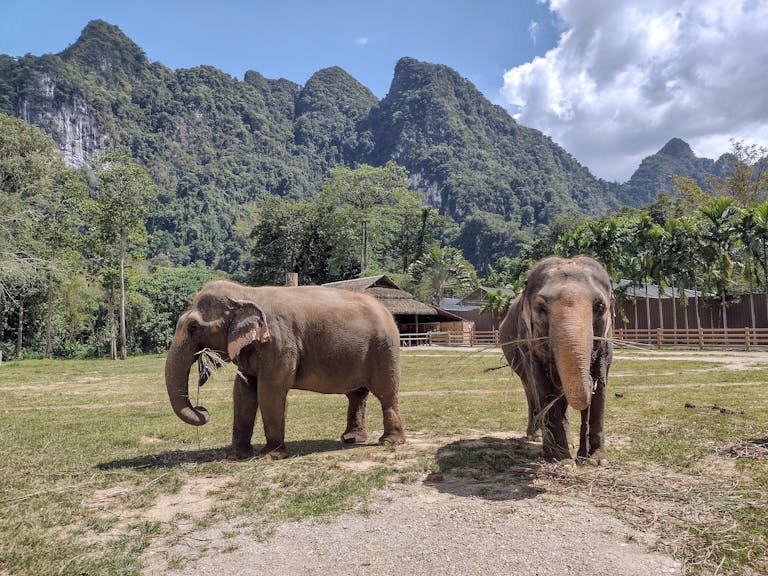
If you want a more intimate, quiet alternative to the larger elephant sanctuaries, BEES, founded in 2011 by Burm Pornchai Rinkaew and Emily Rose McWilliam, is worth knowing about. Located in the Mae Chaem district, about 2.5 hours from Chiang Mai, this sanctuary provides a permanent retirement home for old, injured, and rescued elephants who need rest and ongoing care.
What sets BEES apart is how genuinely low-key the experience is. The visit is completely observation-based, you trek into the jungle with a small group and a guide, and you find the elephants where they are. There are no guarantees of where they’ll be or what they’ll be doing, because they’re just living their lives. Guides from the local Karen community share rich cultural context about elephants’ historical relationship with the people of this region. It’s educational, peaceful, and one of the more authentically moving ways to be near elephants in Thailand.
BEES is a partner of World Animal Protection and takes its ethical commitments seriously.
Best for: Travelers who want a quieter, more remote elephant experience; cultural tourism enthusiasts Location: Mae Chaem district, approx. 2.5 hours from Chiang Mai Visits: Small group day visits; check website for booking details Website: beessanctuary.com
Leilani Farm Sanctuary — Haiku, Maui, Hawaii 🌺
Okay, technically Hawaii is in the Pacific and part of the US, but it comes up in so many Asia and Pacific travel itineraries that it absolutely deserves a spot on this list. And Leilani Farm Sanctuary in Maui is one of the most magical vegan animal sanctuaries on the planet.
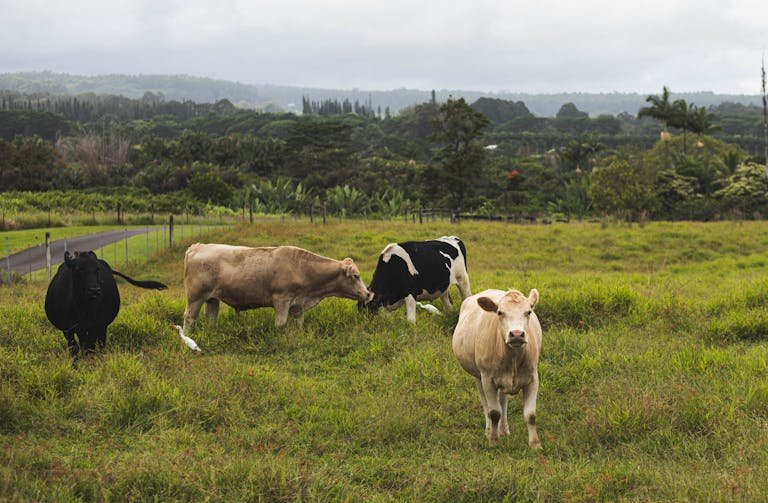
Set on eight lush acres of volcanic land in Haiku on Maui’s North Shore, Leilani is a completely vegan, all-volunteer nonprofit that rescues animals destined for slaughter, orphaned by hunters, or simply abandoned. The sanctuary is home to over 300 animals, pigs, donkeys, goats, chickens, turkeys, ducks, geese, rabbits, guinea pigs, deer, tortoises, cats, and yes, a swan named Noah.
Guided tours run every Saturday at 10am and Wednesday at 4pm, with a $50 tax-deductible donation per person. The tours last about an hour and are personal, intimate, and led by people who know every single animal’s story. Visitors consistently describe it as the highlight of their entire Maui trip.
If you’re planning time in Hawaii, and you should, because Maui is an extraordinary vegan destination, this is a non-negotiable stop.
Best for: Maui visitors, farm animal lovers, families (minimum age 7), anyone looking for the best non-beach activity on the island Location: 260 E Kuiaha Rd, Haiku, Maui, Hawaii Visits: Saturdays 10am, Wednesdays 4pm; reservations required; $50/person donation Website: leilanifarmsanctuary.org
How to Tell if an Asian Animal Sanctuary is Actually Ethical
With so much greenwashing in wildlife tourism, it’s worth having a quick checklist before you book anything in Asia:
Hard no’s – avoid any place that:
- Offers elephant riding or has saddles/chairs on elephants
- Allows tiger selfies or direct contact with big cats
- Has performing animals (dancing bears, painting elephants, etc.)
- Chains animals for visitor photos
- Has baby elephants for play – this usually signals active capture from the wild
Green flags to look for:
- Animals roam freely with no forced interaction
- Visitor experience is observation-based, not performance-based
- The sanctuary shares individual animals’ rescue stories
- They clearly explain why they don’t allow certain activities
- They’re transparent about funding and operations
- They work with or are accredited by organizations like World Animal Protection or GFAS
If a place checks these boxes, you’re probably in good hands. If you’re still unsure, reach out to them directly before booking – legitimate sanctuaries welcome questions.
Wanting to plan an ethical trip to Asia? I can help navigate this kind of pre-trip research along with so much more.
Tips for Visiting Animal Sanctuaries in Southeast Asia
Dress practically. You’re going to be outdoors in tropical heat. Light, breathable clothing, closed-toe shoes, sunscreen, a hat, and insect repellent are your best friends. Many sanctuaries provide rain gear if needed.
Book ahead, especially in high season. Phuket Elephant Sanctuary, Elephant Nature Park, and Leilani Farm Sanctuary all book out well in advance during peak travel months. Lock in your spot before you make any other plans.
Let the animals come to you. The best moments at any sanctuary happen when you’re patient and calm. Resist the urge to approach or touch, let the animals decide if they want to interact.
Bring only plant-based snacks if you’re packing food. Most ethically-minded sanctuaries appreciate, or require, this.
Follow up with a donation or sponsorship. Running a sanctuary in Asia is expensive and resource-intensive. Even a small monthly sponsorship of an individual animal makes a real, tangible difference.
Share your experience. Reviews on TripAdvisor and Google directly help these sanctuaries attract more visitors and funding. Take five minutes post-visit to leave one.
Building Your Asia Itinerary Around Animal Sanctuaries
One of the things I love most about planning trips through Southeast Asia is how naturally sanctuary visits fit into a broader itinerary. A visit to Elephant Nature Park is a perfect complement to a few days in Chiang Mai’s incredible vegan food scene. Phuket Elephant Sanctuary and Soi Dog can both be hit on a Phuket trip, potentially even on the same day if you plan it right. And Leilani Farm Sanctuary is an obvious anchor point for a Maui trip built around the island’s stunning natural beauty and its surprisingly rich plant-based food culture.
If you want help putting together a full ethical, vegan-friendly itinerary through Thailand, Hawaii, or anywhere else in the Asia-Pacific region, that’s exactly what I do. Let’s plan your trip.
Are there ethical vegan animal sanctuaries in Southeast Asia?
Yes – there are several excellent ethical animal sanctuaries across Southeast Asia, particularly in Thailand. Top options include Elephant Nature Park and Burm and Emily’s Elephant Sanctuary (BEES) in Chiang Mai, Phuket Elephant Sanctuary in Phuket, and Soi Dog Foundation, also in Phuket. Each operates without elephant riding, animal performances, or forced interactions, putting animal welfare at the center of everything they do.
How do I know if an elephant sanctuary in Thailand is actually ethical?
The clearest signs of an ethical elephant sanctuary are: no elephant riding, no saddles or chairs on the elephants, no performances or shows, no baby elephants for tourist interaction, and a visit model based on observation rather than hands-on entertainment. Reputable sanctuaries will also readily explain why they don’t offer these activities, share individual animals’ stories, and be transparent about their rescue and care practices. Look for partnerships with organizations like World Animal Protection as another positive indicator.
Can I visit Elephant Nature Park in Chiang Mai as a day trip?
Yes! Elephant Nature Park offers half-day and full-day programs that include hotel pickup from central Chiang Mai, a vegan buffet meal, English-speaking guides, and time observing the resident herd. The park is located about 60 kilometers north of the city, roughly an hour’s drive. They also offer weekly volunteer stays for those who want a deeper, more immersive experience.
Is Soi Dog Foundation in Phuket free to visit?
Yes, guided tours of Soi Dog Foundation are completely free and don’t require advance booking. Tours run Monday through Friday at 10:30am and 1:30pm, last about 45 minutes, and include time in the puppy enclosure and cattery after the tour. The sanctuary does welcome donations and has a merchandise store on-site. Volunteer programs are also available for those who want to spend more time helping the animals.
Is Leilani Farm Sanctuary in Maui a good stop for vegan travelers?
Absolutely – it’s consistently described as one of the best experiences on the entire island, vegan or otherwise. The sanctuary is a fully vegan, all-volunteer nonprofit on eight acres of lush North Shore Maui land, home to over 300 rescued animals. Guided tours run on Saturdays at 10am and Wednesdays at 4pm with a $50 tax-deductible donation per person. Reservations are required and the minimum visitor age is 7. It’s personal, warm, beautiful, and genuinely unlike anything else you can do in Hawaii.
Planning a trip through Thailand, Hawaii, or elsewhere in the Asia-Pacific region and want to build in meaningful animal sanctuary experiences? That’s exactly the kind of itinerary I love putting together. Reach out here and let’s make it happen.