This content is reader-supported, which means if you click on some of our links, we may earn a small commission at no additional cost to you.
Author note: This blog post is a bit different from what I normally write about. There is no travel in this post, however I believe this is a topic that vegans really need to think about and consider.
You’ve probably seen the argument play out in your feed. Someone posts about regenerative agriculture “healing the planet,” a vegan account fires back that it’s just a rebrand for animal farming, and within twenty comments everyone’s mad at everyone. It’s become one of those topics where the loudest voices on both sides make it sound like you have to pick a side.
You don’t, really. Once you get past the internet noise, regenerative agriculture and veganism actually share a lot of the same goals. Where they get complicated is worth understanding, especially if you’re the kind of traveler who cares about where your food comes from, seeks out farm stays, or wants to support the right kind of agriculture when you’re on the road.
What Regenerative Agriculture Actually Means
Regenerative agriculture isn’t one specific technique. It’s a set of farming principles built around rebuilding soil health rather than just maintaining it. Think cover cropping, minimal tilling, crop rotation, composting, and cutting out synthetic pesticides and fertilizers. The idea is to leave the land better than you found it, not just avoid making it worse.
Healthy soil built this way does something extremely useful: it pulls carbon out of the atmosphere and locks it into the ground. That’s a big part of why the concept has gotten so much attention as a climate solution, alongside its benefits for water retention, biodiversity, and long-term food security.
Where it gets contentious is the role animals play in the process. Some regenerative systems are entirely plant-based (often called veganic farming). Others center around rotational or “holistic” grazing, where cattle or sheep are moved through pasture in a way that’s supposed to mimic natural herd movement and, according to proponents, build soil health faster than crops alone.
That second version is where the disagreement really starts.
How Regenerative Agriculture and Veganism Actually Align
Strip away the framing wars, and the overlap is bigger than either camp tends to admit.
Soil health over shortcuts
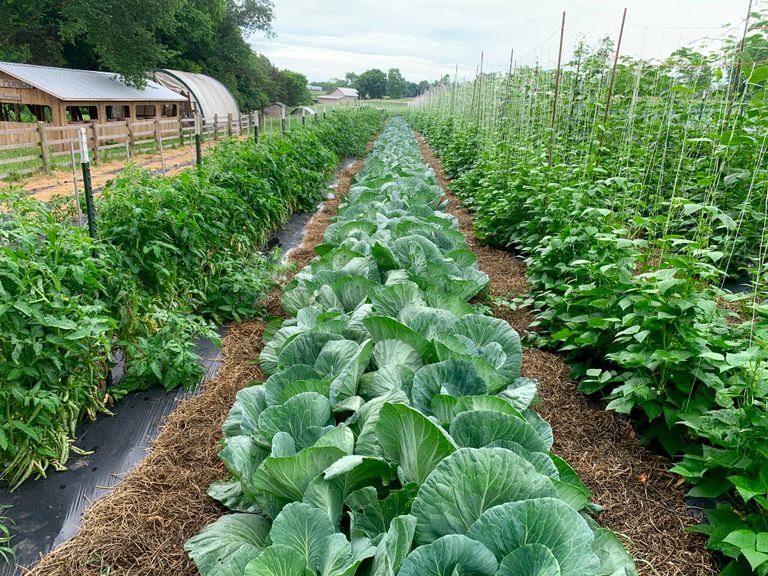
Veganic farming, sometimes called stock-free organic farming, applies every core regenerative principle without using any animal inputs like manure or bone meal. Cover crops, green manures, composting plant matter, and crop rotation all build soil fertility on their own. Farms like Tolhurst Organic in the UK have been doing this at scale for decades and maintain impressive biodiversity without a single grazing animal on site.
A shared frustration with industrial agriculture
Whether someone identifies as vegan, vegetarian, or a “vegan-ish” regenerative farmer, the common enemy tends to be the same: monocropping, synthetic inputs, factory farming, and a food system optimized for yield over land health. Farmers on both sides of the grazing debate generally agree that the current system needs an overhaul.
The push against greenwashing
This is maybe the strongest point of agreement. Both thoughtful vegans and serious regenerative farmers tend to roll their eyes at terms like “carbon-neutral burger” or “regenerative leather” showing up on packaging with zero verification behind them. Marketing has absorbed “regenerative” as a buzzword faster than the science can keep up, and people who actually care about the outcome, not just the label, find that frustrating no matter which side of the debate they’re on.
Where the Two Camps Genuinely Clash
It wouldn’t be honest to pretend this is all common ground. There’s a real disagreement underneath the noise.
The grazing question
Supporters of holistic grazing argue that ruminant animals are necessary to close nutrient cycles on land that can’t be tilled or cropped, especially dry grasslands and marginal terrain. Critics, including researchers like George Monbiot, argue the opposite: that land is better rewilded than grazed, and that even the most efficient “regenerative” beef still produces far more emissions than plant-based food grown on the same footprint. A widely cited Oxford-led food production study found that shifting to a plant-based system was the single biggest lever an individual has for reducing their environmental footprint, land use included.
Scale is the sticking point
Regenerative grazing advocates often point to specific farms doing genuinely good work on a small, well-managed scale. The problem is that “genuinely good work on a small scale” doesn’t describe most of the meat industry, and critics argue that holding up a handful of standout farms as proof that regenerative meat can feed the world overstates what’s actually replicable.
Animal welfare doesn’t disappear just because the land looks healthier
Rotational grazing can improve soil outcomes without changing the fact that animals raised for meat or dairy are still ultimately slaughtered, and dairy operations still separate calves from their mothers. Regenerative practices address the land. They don’t inherently address the animal, which is the piece that matters most to anyone approaching food from a vegan ethical standpoint rather than a purely environmental one.
What This Means If You’re the Kind of Traveler Who Cares
If you already read labels at the grocery store and ask questions before booking a tour, this debate isn’t just theoretical, it actually shows up in your travel choices.
Seek out veganic and plant-based regenerative farms
Agritourism has exploded over the last few years, and a growing number of farm stays are entirely plant-based or veganic, meaning you can experience hands-on regenerative agriculture, harvesting, composting, cover crop planting, without it involving animal agriculture at all. These stays tend to be smaller and more personal than a typical hotel, and they’re a genuinely great way to build a day or two of slow travel into a bigger trip.
Ask before you book
If a farm stay or eco-lodge markets itself as “regenerative,” it’s worth a quick email before booking: is the farm veganic, or does it include grazing animals? What does “regenerative” actually mean on this specific property? A lot of listings use the word loosely, and a two-line question gets you a real answer instead of a marketing term.
Support farmers’ markets and CSAs while you travel
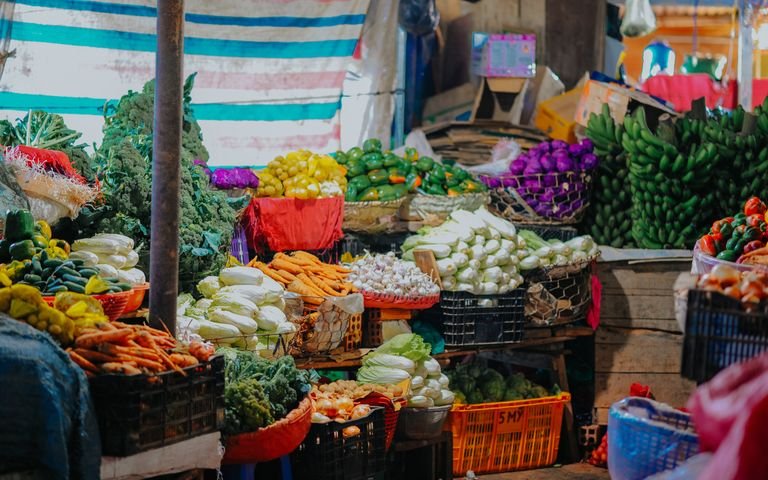
You don’t need to book a multi-night farm stay to put this into practice. A lot of destinations have regenerative or veganic growers selling directly at local markets. Buying there for a picnic lunch or self-catered meal is a low-effort way to put money toward the kind of farming you actually want to see more of.
Bring this lens to your next eco-conscious trip
This whole conversation fits naturally into the broader eco-travel mindset a lot of vegan travelers already have. If you’re already thinking about your carbon footprint when you book flights or choose accommodations, choosing where your food comes from on the ground is just an extension of that.
What to Pack If You’re Visiting a Regenerative Farm
Farm stays usually mean dirt, sun, and early mornings, so pack accordingly.
- Durable gardening gloves like these from COOLJOB will keep your hands cool and dry.
- This reusable, packable tote is the perfect size.
- A wide-brim sun hat is essential for protection. This one is highly rated for sun protection and comfort.
- A refillable water bottle is a must. Stay hydrated my friends!
- These boots are perfect for any farm adventure. Waterproof and comfortable.
Frequently Asked Questions
Is regenerative agriculture always vegan?
No. Regenerative agriculture is a set of soil-health principles, not a diet. Some regenerative farms are entirely plant-based (veganic), while others include rotational grazing with animals, which is where most of the disagreement with vegan ethics comes from.
What’s the difference between regenerative and veganic farming?
Veganic farming is regenerative agriculture done without any animal inputs, no manure, no bone meal, no grazing animals. It relies entirely on plant-based methods like cover cropping, composting, and crop rotation to build soil health.
Can regenerative grazing really be carbon neutral?
Some individual farms have made this claim, but it’s heavily debated. Most independent research shows that even well-managed regenerative beef still produces significantly more greenhouse gas emissions than plant-based food grown on comparable land.
How can I find veganic or plant-based farm stays to visit?
Look for the words “veganic,” “stock-free,” or “plant-based” specifically in a farm stay’s description, and don’t be afraid to email ahead and ask directly. Regenerative agritourism directories and farm stay platforms are a good starting point for narrowing down options before you book.
Does supporting regenerative agriculture conflict with being vegan?
Not if you’re supporting veganic or plant-based regenerative farms. The conflict really only shows up with regenerative systems built around animal grazing, which is a separate conversation from regenerative agriculture as a whole.