
This content is reader-supported, which means if you click on some of our links, we may earn a small commission at no additional cost to you.
Vegan travel in Argentina sounds like a contradiction. This is the land of the asado, after all, where a “quick lunch” can mean three hours and half a cow. But I spent time digging into the plant-based side of this country, and what I found surprised me. Buenos Aires alone has a genuinely exciting vegan food scene, and once you get outside the capital, there’s a system to eating well even in the more traditional, meat-heavy corners of the country.
I’m going to walk you through where to eat, what to pack, what to say when you’re ordering, and how to handle the parts of Argentina that aren’t exactly built with vegans in mind. By the end of this, you’ll have an actual plan instead of a list of hopes.

Is Argentina Vegan-Friendly? My Honest Read
Argentina’s food culture is built around beef, dairy, and wheat. Empanadas, milanesas, dulce de leche, it’s everywhere, and it’s central to how people gather and celebrate. That’s the reality, and I’m not going to pretend otherwise.
What’s also true is that a real plant-based movement has taken hold in the bigger cities, especially Buenos Aires. Vegan grills, vegan bakeries, and fully plant-based fine dining spots have opened in the last several years, and they’re not just surviving, they’re busy. Outside the capital, in wine country and Patagonia, you’ll need to work a bit harder, but it’s absolutely doable with some planning.
So the honest answer is: yes, with a strategy. This guide is that strategy.
Where to Eat Vegan in Buenos Aires
Buenos Aires is where you’ll do the bulk of your eating, and it’s where the vegan scene has grown the most. Here are four spots across very different budgets and vibes, all confirmed open and active as of this year.
La Reverde Parrillita Vegana: The Vegan Parrilla Experience
If you only do one vegan meal in Argentina, this is the one I’d point you toward. La Reverde takes the traditional parrilla, Argentina’s grill culture, and rebuilds it entirely from seitan. Their choripán, milanesa, and “parrillada para dos” (grill for two) are the closest thing you’ll find to the real asado experience without any animal products involved. It’s small, casual, and genuinely popular with locals, not just vegan tourists.
A quick tip: their hours shift more than most restaurants, so check their Instagram or WhatsApp the same day before you go.
Sattva Conciencia Vegetariana: Easy, Reliable, Reasonably Priced
Sattva is a solid everyday option in the Congreso area, known for generous portions, organic wine, and a rotating menu that includes proper gluten-free choices too. It’s lunch-only, so plan accordingly, but it’s one of the few spots where you can walk in without a reservation and still eat well.
Donnet te Ama: For the Mushroom-Obsessed
Tucked into the Chacarita neighborhood, this one is entirely plant-based and built almost entirely around mushrooms, oyster, shiitake, and seasonal varieties, prepared with a level of depth that would win over even committed carnivores. If you care about where your food comes from and how it’s made, this is worth the trip out of the main tourist zones.
Gioia Cocina Botánica: The Splurge
Located inside the Palacio Duhau Park Hyatt in Recoleta, Gioia is a Michelin Guide-listed restaurant built around vegetables, fermentation, and a tasting menu that changes seasonally. It’s a special-occasion spot, and the terrace overlooking the hotel gardens makes it worth booking ahead. Lunch is the more affordable way into the tasting menu if the full dinner price feels steep.
Vegan Travel in Argentina Beyond Buenos Aires
Once you leave the capital, restaurant-level detail gets harder to guarantee since smaller cities turn over their dining scenes faster than I can verify them. So instead of naming specific spots, here’s the strategy I’d use region by region.
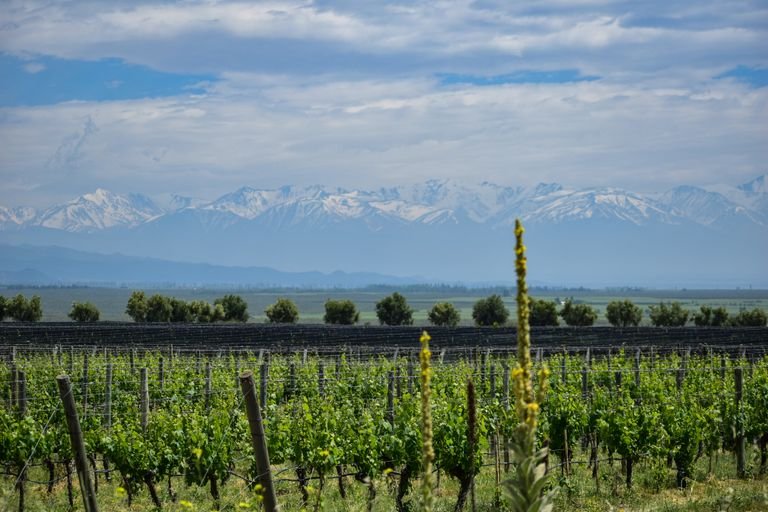
Mendoza (wine country): Many wineries now offer vegetable-forward tasting menus alongside their wine flights, since plant-based dining has become fashionable among visiting wine tourists. Call ahead or check a winery’s website before booking a tasting lunch, and mention dietary needs when you reserve.
Patagonia (Bariloche, El Calafate): This is the hardest region for vegan travel in Argentina. Meals here lean heavily on lamb and trout, and vegetable options can be an afterthought outside of the bigger towns. Lean on grocery stores, pasta with olive oil and vegetables (ask for it “sin manteca ni queso,” without butter or cheese), and pack shelf-stable snacks.
Iguazu Falls: The area around the falls is touristy enough that most restaurants can accommodate a vegetable pasta or salad request, even if they don’t advertise it. It’s not a destination for vegan cuisine, but it’s not a hard place to eat plant-based either.

What to Say (and What to Eat) as a Vegan in Argentina
A little Spanish goes a long way here, especially outside Buenos Aires. Ordering “sin carne, sin lácteos, sin huevo” (without meat, dairy, or egg) is more reliable than just saying “vegano,” since not every server is familiar with the term yet.
A few dishes worth knowing:
- Empanadas de verdura (vegetable empanadas): common enough that you can usually find a version without cheese if you ask
- Provoleta is not your friend, it’s grilled provolone, so skip it
- Mate: Argentina’s national drink, herbal and naturally plant-based, and sharing it with locals is a genuine cultural moment
- Dulce de leche is dairy-based, but plenty of Buenos Aires bakeries now carry a coconut-based vegan version
What to Pack for Vegan Travel in Argentina
A few things make eating on the road here noticeably easier:
- A printed or downloaded translation card with your dietary needs in Spanish, so you’re not relying on memory or a data connection
- Shelf-stable protein snacks for Patagonia and long bus rides between regions, where options thin out fast
- A reusable food container for leftovers, since portions at places like La Reverde run generous
For a complete list, my essential vegan travel accessories guide is a great place to start.
Getting There and Getting Around
If you’re flying into Buenos Aires, it’s worth planning your airport meals in advance too, especially if you have a long layover. Ministro Pistarini (EZE) and Jorge Newbery (AEP) don’t have the same airport food culture as some U.S. hubs, so packing something for the terminal isn’t a bad idea.
Tours Worth Booking
A few experiences make the trip easier and more interesting, especially if you’re navigating a country that isn’t primarily built around plant-based dining:
- A Mendoza wine tour with a vegetable-forward tasting lunch built in
- A Buenos Aires food walking tour that includes stops at vegan-friendly spots
- An Iguazu Falls day tour, since logistics there are easier with a guide than on your own
My Bottom Line on Vegan Travel in Argentina
Argentina isn’t the easiest country for plant-based travelers, but it’s also not the obstacle course it might sound like from the outside. Buenos Aires genuinely delivers, the regional strategy above will carry you through the harder spots, and a little Spanish and some planning close most of the remaining gaps. I’d go back for La Reverde alone.
If you want to skip the planning, I would love to plan it for you! That’s what I do. Plan personalized trips so that you can sit back and enjoy!
Frequently Asked Questions
Is it easy to find vegan food in Argentina?
It’s easiest in Buenos Aires, where a real vegan restaurant scene has developed over the last several years. Outside the capital, especially in Patagonia, it takes more planning, but it’s manageable with the right phrases and a bit of grocery-store backup.
What should I say to order vegan food in Argentina?
“Sin carne, sin lácteos, sin huevo” (without meat, dairy, or egg) tends to get better results than just saying “vegano,” since the word isn’t universally recognized by restaurant staff yet, especially outside major cities.
Are empanadas ever vegan in Argentina?
Vegetable empanadas (empanadas de verdura) are common, though many versions include cheese. Ask for it without cheese, “sin queso,” and you’ll usually find a workable option.
Is mate vegan?
Yes. Mate is an herbal drink made from the yerba mate plant, and it’s naturally plant-based. Sharing it is also a genuine part of Argentine culture, so don’t be shy about joining in if you’re offered some.
What’s the hardest part of Argentina for vegan travelers?
Patagonia. The region’s food culture leans heavily on lamb and trout, and vegetable-forward options can be limited outside the bigger towns. Packing snacks and leaning on pasta with olive oil (ask for it without butter or cheese) will get you through.