
This content is reader-supported, which means if you click on some of our links, we may earn a small commission at no additional cost to you.
Unusual vegan travel experiences are what turn a good trip into one you still talk about years later. I love a great restaurant as much as the next person, but some of my favorite travel memories have nothing to do with a menu at all. They’re the mornings I spent scrubbing mud off a rescued elephant, the silent breakfast I ate in a mountain temple, or the night I fell asleep to the sound of the ocean on a ship full of strangers who all happened to eat the same way I do.

What Makes These Unusual Vegan Travel Experiences Different
Before I get into the list, here’s how I sorted these. I skipped anything that’s really just “a nice vegan restaurant in a cool city,” because that’s a different post entirely. Everything here involves getting your hands a little dirty, waking up early, or doing something you genuinely can’t do from your couch. Some cost money, some cost almost nothing, and a few take real planning. All of them are worth it.
1. Volunteer at an Ethical Elephant Sanctuary in Thailand
Elephant Nature Park, outside Chiang Mai, was one of the first sanctuaries in Asia to ban elephant riding entirely, and it’s still going strong. You can visit for a half day, a full day, or sign up for a week-long volunteer stay where you help feed, bathe, and care for elephants who were rescued from logging camps, street begging, or the trekking industry. The park is also home to hundreds of rescued dogs and cats, so be ready to make some four-legged friends between elephant duties.
Meals at the park are vegetarian buffet style, and the whole operation runs on the philosophy that animals exist to be respected, not ridden. If you only do one thing on this list, I’d nudge you toward this one. If you are interested in other sanctuary visits, I have guides to the best ones, both in the US, Europe, and Asia.
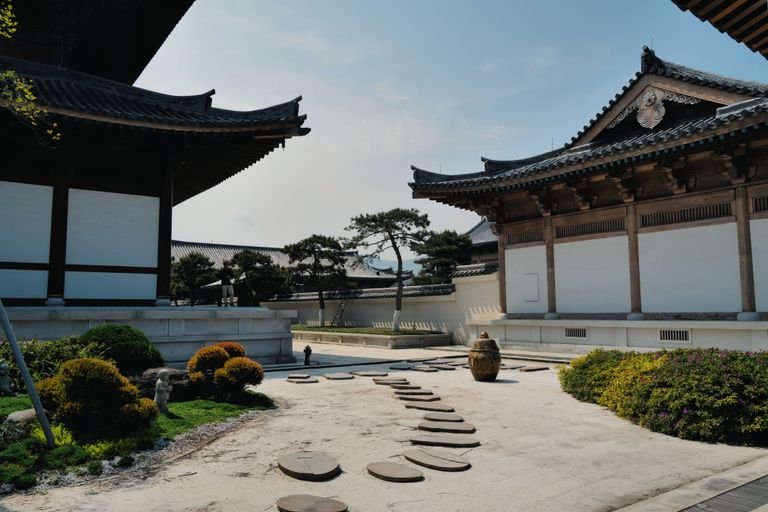
2. Sleep and Eat Like a Monk at a Korean Templestay
South Korea’s Templestay program lets travelers spend a night or two inside a working Buddhist temple, and the food is where this gets interesting for vegan travelers. Temple cuisine in Korea is naturally plant-based, built around seasonal vegetables, wild greens, and fermented staples, with no garlic or onion in many traditions. You’ll wake up early for chanting, eat in silence, and probably leave wanting to cook completely differently at home.
Temples like Golgulsa and Beomeosa are popular with international visitors and run English-friendly programs, so you don’t need to speak Korean to take part.
3. Sail on an All-Vegan Cruise
Holistic Holiday at Sea has been running fully vegan cruises for over two decades, chartering cabins on a regular cruise line and turning the entire dining room and buffet vegan for their group. Days at sea are filled with cooking demos, yoga, and talks from plant-based doctors and nutrition researchers, plus normal cruise-ship things like island stops and pool decks. It’s a strange, wonderful bubble where you never have to ask a server about substitutions.
It’s not cheap, and it’s not subtle, but it might be the single easiest way to combine “vacation where I don’t think about food” with “vacation where I meet other vegans.”
4. Go Truffle Hunting in Piedmont, Italy
Truffle hunting is one of the more unique vegan experiences you can have in Italy, a country not exactly known for going easy on the dairy. Local hunters in the Piedmont region, often working with a trained dog rather than the traditional pig, will take small groups into the forest to search for white or black truffles depending on the season. Most tours end with a tasting where the truffles get shaved fresh over vegan pasta or risotto, which is somehow even better than it sounds.
Fall is peak white truffle season, so if that’s the specific experience you’re after, plan an October or November trip.
5. Learn to Forage in the Nordic Wild
Foraging tours have become a genuine niche in Sweden, Iceland, and Norway, where guides teach travelers to identify wild mushrooms, berries, and edible greens across forests and coastlines that stay strikingly walkable well into evening thanks to those long summer days. Most guided foraging trips wrap up with the group cooking whatever was found, so you’re not just identifying plants, you’re eating your homework.
This is a great pick for anyone who wants a slower, quieter kind of adventure that still counts as a bucket list vegan travel moment.
6. Take a Vegan Cheese-Making Class in the French Countryside
French cuisine has a reputation problem for vegans, mostly because of the cheese course. Small culinary schools and farm stays in the countryside, particularly around Provence and the Loire Valley, now run workshops specifically on cashew and other nut-based vegan cheeses, teaching the culturing and aging techniques that make them taste like more than “sad cashew paste.” A few even pair the class with a stay on the actual farm.
It’s a genuinely useful skill to bring home, and it’s one of the more hands-on ways to spend a rainy countryside afternoon.

7. Help Rescue Sea Turtles in Costa Rica
Costa Rica runs some of the most established sea turtle conservation programs in the world, and several accept short-term volunteers to walk beaches at night, monitor nests, and help hatchlings reach the ocean safely. Organizations tied to research stations along both coasts, particularly around Tortuguero and the Osa Peninsula, offer stays that range from a few days to several weeks. Expect early mornings, a lot of sand in your shoes, and one of the more emotional wildlife encounters you’ll have anywhere.
Because programs and availability shift season to season with nesting cycles, book directly through an established conservation organization rather than a random tour listing.
8. Camp Under Sahara Stars in Morocco
A desert camp trip out of Merzouga puts you on a camel for the ride in, then under a genuinely stunning amount of stars once the sun goes down. Vegan-friendly desert camps have become much easier to find, and most will happily prepare a full vegetable tagine and fresh bread if you let them know ahead of time. This is squarely in unusual vegan travel experiences territory: no wifi, no restaurant menu, just a fire, some mint tea, and a sky you won’t see back home.
9. Do a Self-Guided Vegan Food Crawl Through Osaka
Osaka has quietly become one of Asia’s better cities for plant-based eating, and the fun part is treating it like a scavenger hunt rather than booking a single dinner reservation. Spend an evening working your way through the Dotonbori area sampling vegan takoyaki, ramen, and okonomiyaki, all dishes that traditionally rely heavily on animal products but have been reimagined by a growing wave of plant-based kitchens in the city. Pull up a vegan-friendly map app before you go, since options change often enough that a fixed list goes stale fast.

What to Pack for These Trips
- Packing Cubes help me stay organized while traveling
- A reusable food container for cheese-making or foraging days is clutch
- A headlamp for early sanctuary or turtle-watching mornings
- Most importantly, a journal to capture your amazing adventures
If you are looking for more vegan travel accessories, my guide on the essentials is worth a read.
Final Thoughts
I keep coming back to this idea that the best travel days are the ones that don’t fit neatly into a category. A menu is nice. A morning spent bathing an elephant, or eating breakfast in total silence at a mountain temple, sticks with you in a completely different way. If you’re planning your next trip around plant-based travel adventures, let at least one day be genuinely strange. It tends to be the one you remember.
Frequently Asked Questions
Are elephant sanctuaries in Thailand actually ethical, or is it still exploitative?
It depends entirely on the specific sanctuary. Look for places that ban riding, bathing on demand, and any kind of performance, and that let elephants set the pace of interaction. Elephant Nature Park is one of the more transparent operations about where its elephants came from and how they’re cared for.
Do I need to speak the local language for a Templestay in Korea?
No. Several temples, including Golgulsa and Beomeosa, run programs specifically designed for international visitors with English-speaking guides, so no Korean is required.
How much does an all-vegan cruise like Holistic Holiday at Sea typically cost?
Pricing varies by cabin type, season, and itinerary length, and changes year to year, so it’s worth checking current rates directly on the cruise’s official site before budgeting for the trip.
Is truffle hunting in Italy vegan-friendly even though pigs are traditionally used?
Most modern truffle hunts, especially in Piedmont, use trained dogs rather than pigs, so the activity itself doesn’t involve animal labor in the way it historically did. It’s worth confirming with your specific tour operator if that matters to you.
What’s the best time of year for sea turtle volunteering in Costa Rica?
Nesting seasons vary by coast and species, generally running longer on the Caribbean side than the Pacific side. Check directly with the specific conservation program you’re considering, since exact windows shift year to year.