This content is reader-supported, which means if you click on some of our links, we may earn a small commission at no additional cost to you.
Vegan travel in Bangkok sounds intimidating before you go, and then you land and realize the city has been building one of the best plant-based food scenes in Southeast Asia. I went in not expecting much, beyond shrimp heads and fish sauce of course. I left with a phone full of restaurant addresses I still think about.
Thailand has a long Buddhist vegetarian tradition called “jay,” plus a growing wave of fully vegan cafes, juice bars, and Thai restaurants that skip the fish sauce and oyster sauce without skipping the flavor. If you’re heading to Bangkok for the first time as a vegan, this guide covers where to eat, how to get around, what to pack, and the handful of phrases that make everything easier.
Why Bangkok Is Easier for Vegans Than You Think
Bangkok gets a reputation as a tough city for plant-based eaters, mostly because fish sauce and shrimp paste show up in dishes that look completely vegetarian. That reputation is outdated. The city now has dozens of fully vegan restaurants, an active HappyCow community, and a Buddhist “jay” tradition that already primes a big chunk of the population to understand what “no animal products” means.
I noticed the difference almost immediately. Servers at sit-down restaurants were used to modification requests, street vendors selling jay food during festival season marked their stalls with a yellow flag, and even mall food courts had at least one stall doing clearly labeled vegetarian or vegan options.
The one thing to watch for, “vegetarian” in Thailand doesn’t automatically mean vegan. Egg and dairy show up in dishes marketed as vegetarian, so it’s worth double-checking, especially at street stalls where the person cooking isn’t always the person you’re ordering from.
Getting Around Bangkok as a Vegan Traveler
BTS, MRT, and Grab
Bangkok’s BTS Skytrain and MRT subway cover most of the neighborhoods where the best vegan spots are clustered, especially Sukhumvit, Thong Lo, and Silom. I relied on the BTS for almost everything and used Grab (Southeast Asia’s version of a rideshare and delivery app) for anywhere the train didn’t reach directly.
Where to Base Yourself
Sukhumvit is the easiest area for a first-timer. It puts you within walking distance or a short BTS ride of most of the restaurants below, plus it’s well connected to the airport line. If eco-conscious travel matters to you beyond just food, it’s worth reading up on how transportation choices factor into a lower-impact trip before you book anything.
Getting There
If you’re flying in, it’s worth knowing which airports actually have decent plant-based options before your layover turns into a hangry situation.

Best Vegan Travel in Bangkok: Where to Eat
This is the heart of any vegan travel in Bangkok itinerary, so I’m sticking to places I could personally verify are open and operating, not just a list pulled from an old blog post.
A vegan food tour of any new city I visit is always at the top of my to-do list. I find it’s the best way to get a feel of the food culture.
Veganerie
Veganerie has multiple locations across the city, including a branch near BTS Phrom Phong, and it’s become one of Bangkok’s most reliable vegan spots. The menu leans into comfort food: pancakes, mock meats, curry bowls, and a dessert case that makes it genuinely hard to order just one thing. It’s open daily and easy to reach on foot from the Skytrain.
What to try: the mock-meat curry bowls and literally anything from the dessert counter.
Broccoli Revolution
Broccoli Revolution sits right off Sukhumvit Soi 49 and has the kind of bright, plant-filled interior that makes you want to linger over a smoothie. It’s technically vegetarian rather than 100% vegan (a little honey shows up on the menu), so it’s worth double-checking specific dishes, but the vegan options are extensive and clearly marked.
What to try: the cold-pressed juices and the organic black rice bowl.
May Veggie Home
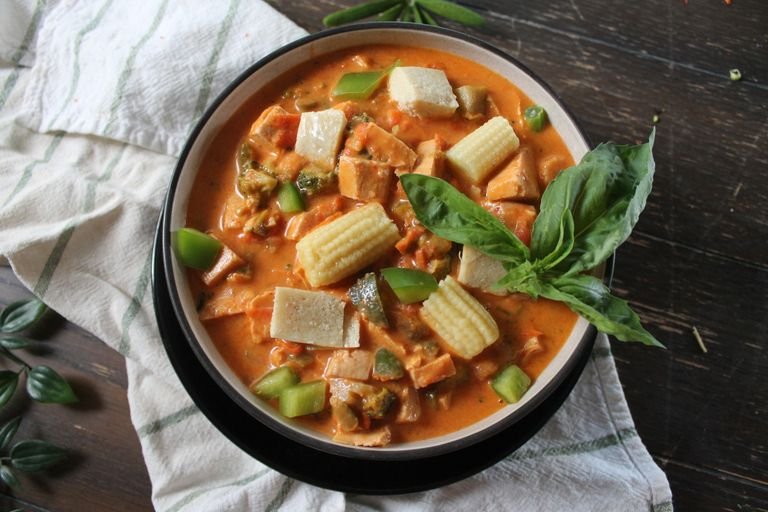
May Veggie Home has been serving fully vegan Thai, Japanese, and Western dishes since 2011, and it’s the spot I’d point to if you want fully vegan food without any of the “mostly vegetarian, ask about the sauce” uncertainty. The main branch is on Sukhumvit 101 Alley, with a smaller express location on Soi 23 for anyone staying closer to Asok or Nana.
What to try: the khao soi and the vegan burger steak.
For a quick emergency meal, Thai 7-Elevens stock year-round jae micro-microwave meals (look for the yellow yellow-and-red Buddhist vegan symbol) alongside sesame soy milk.
Navigating Thai Street Food and Jay Stalls
Street food is a huge part of why people travel to Bangkok in the first place, and it’s definitely possible to eat well here as a vegan if you know what to look for.
During Thailand’s annual Vegetarian Festival (usually in October), you’ll see stalls flying a yellow flag with red Thai script. That’s the universal signal for jay food, meaning no meat, no seafood, no eggs, and no strong-smelling vegetables like garlic and onion. Outside of festival season, some stalls fly the flag year-round, especially around Chinatown.
For everyday street food, look for:
- Stir-fried vegetables (pad pak) made without oyster sauce
- Tofu-based pad thai, ordered with no egg and no fish sauce
- Fresh mango sticky rice, which is naturally vegan at almost every stand
- Tom yum soup made with a vegetable or tofu base instead of shrimp stock
The phrase “mangsawirat” means vegetarian, and “jay” (pronounced roughly like “jay” in English) signals the stricter vegan standard. Learning to say “gin jay” (I eat jay food) got me further with street vendors than any amount of pointing and hoping.
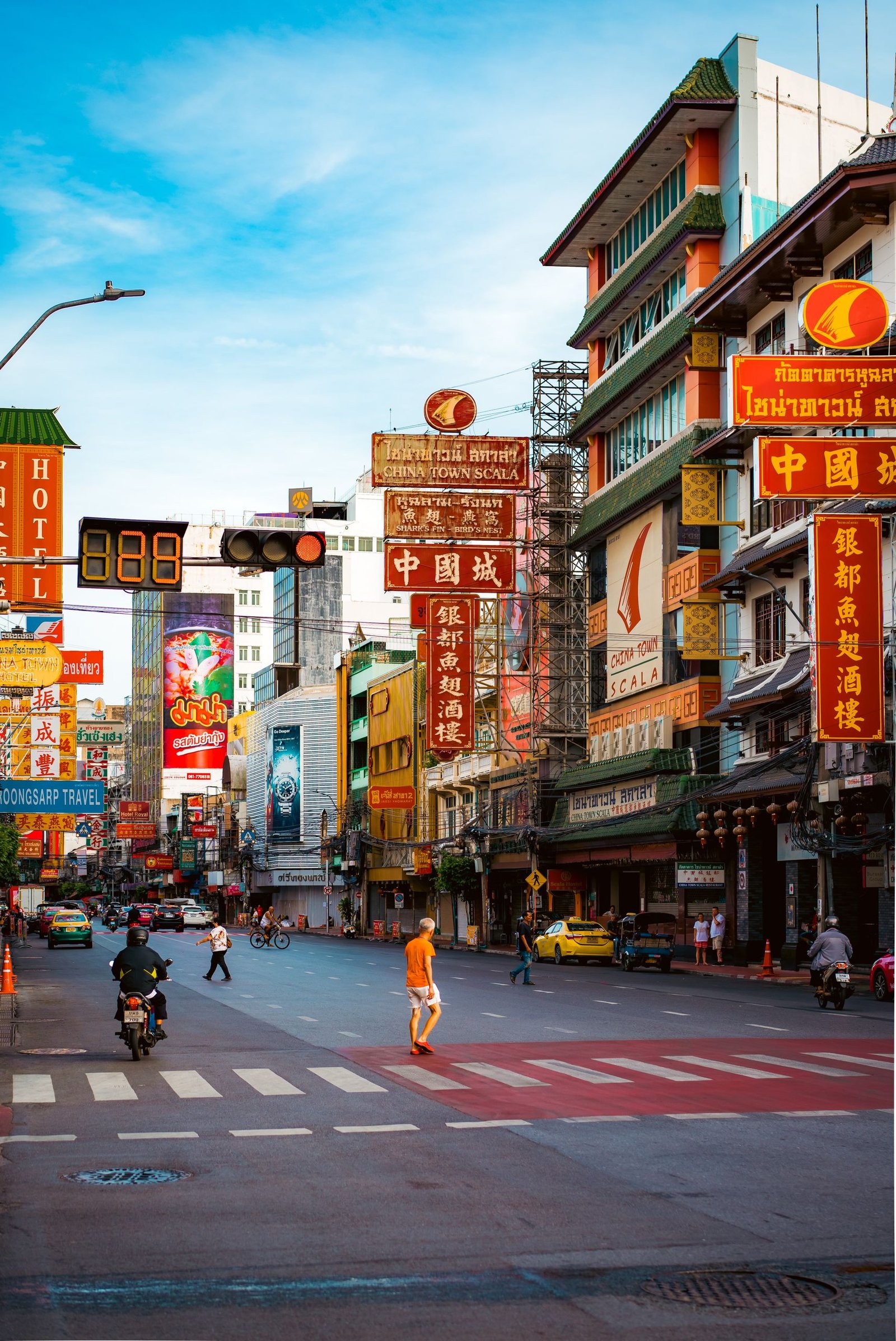
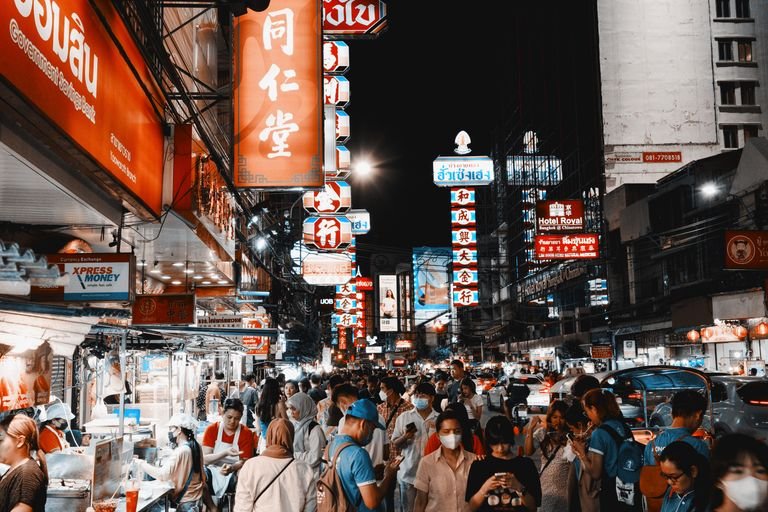
Because street stalls open, close, and relocate far more often than sit-down restaurants, I’m intentionally not naming specific carts here. Head to Chinatown’s Yaowarat Road or the Sukhumvit side streets and look for the yellow flag; it’s a more reliable signal than any single stall’s name.
Where to Stay
You don’t need a dedicated vegan hotel to eat well in Bangkok, but staying somewhere with a kitchenette or a fridge makes it easier to hang onto street market finds. If you’re not sure what to look for when booking, this rundown of vegan-friendly hotel and Airbnb booking tips applies just as well in Bangkok as it does anywhere else.
What to Pack for Vegan Travel in Bangkok
Bangkok is hot, humid, and full of street food you’ll want to take with you, so a few small additions to your packing list go a long way.
- A reusable set of utensils for street food stalls that only offer plastic
- A collapsible container for leftovers from restaurant portions (they’re generous)
- A reef-safe sunscreen, since you’ll be outside a lot more than you expect
- A refillable water bottle, since Bangkok tap water isn’t drinkable but bottle refill stations are everywhere
For the full rundown of what’s actually worth packing, I put together a longer list of vegan travel accessories that covers all of this in more detail.
Tours and Experiences Worth Booking
A guided street food or market tour is one of the best ways to get oriented fast, especially if you’re nervous about navigating menus in Thai on your first day. A local guide who already knows which stalls do jay food saves you a lot of trial and error.
Witness skilled fighters in heart-pounding, adrenaline-packed performances as you immerse yourself in the authentic culture of Muay Thai at its birthplace.
Explore Bangkok’s rich history and spiritual heritage on this guided tour to some of the city’s most famous temples. From the majestic Grand Palace to the stunning Wat Pho and Wat Arun, this guided walking tour takes you on a journey through centuries of Thai art, culture, and religion.
If you’d rather have someone map out the whole trip around your specific food needs, that’s exactly the kind of thing I help travelers put together.
Frequently Asked Questions
Is Bangkok a good city for vegan travel?
Yes. Bangkok has a strong Buddhist “jay” food tradition alongside a growing number of fully vegan restaurants, making it one of the more approachable cities in Southeast Asia for plant-based travelers.
What does the yellow flag at Thai food stalls mean?
A yellow flag with red Thai script signals jay food, a strict vegan standard that excludes meat, seafood, eggs, and pungent vegetables like garlic and onion. It’s most common during Thailand’s Vegetarian Festival but appears year-round at some stalls.
Is Thai street food safe for vegans?
Much of it can be made vegan with small adjustments, like asking for tofu instead of meat and no fish sauce or oyster sauce. Learning a few key Thai phrases makes ordering much smoother.
Do I need to speak Thai to eat vegan in Bangkok?
No, but a few phrases help a lot. Knowing how to say “jay” or “mangsawirat” (vegetarian) gets you further than English alone, especially at street stalls.
What neighborhood should I stay in for the best vegan food access?
Sukhumvit is the easiest home base. It’s close to several of the restaurants in this guide and well connected to the rest of the city by BTS Skytrain.