This vegan Mexico City travel guide starts with one big reassurance: you are going to eat incredibly well here. Mexican food has always leaned plant-based at its roots, corn, beans, and chiles were doing the heavy lifting long before cheese and lard entered the picture, and Mexico City has spent the last several years building one of the most exciting vegan food scenes in North America.
If your only reference point for vegan travel in Mexico is a bean taco, forget it. CDMX is stacked with fully vegan taco stands, upscale plant-based restaurants, and mercados where you can piece together a meal without a single awkward conversation about lard. This guide walks you through the neighborhoods worth basing yourself in, the spots worth building a day around, and the practical stuff that makes the trip smoother.
This content is reader-supported, which means if you click on some of our links, we may earn a small commission at no additional cost to you.
Why Mexico City Is a Genuinely Great Vegan Destination
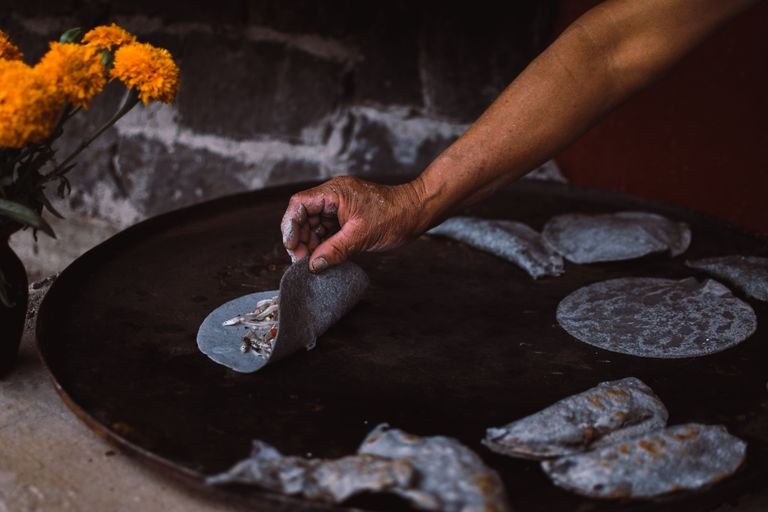
Mexico City has quietly become a serious contender on any list of best vegan travel destinations worldwide, and it earns the spot. The city’s food culture is built on ingredients that were vegan long before the word existed: nixtamalized corn, black and pinto beans, nopales (cactus paddles), squash blossoms, huitlacoche (corn fungus, and genuinely delicious), and a staggering variety of chiles and salsas.
Around 2018, a wave of local cooks started taking those building blocks seriously and rebuilding classic street food around them. Seitan al pastor, mushroom suadero, jackfruit cochinita, cashew-based quesos. The result is a city where you can eat traditional Mexican food, not a workaround version of it, as a fully plant-based traveler.
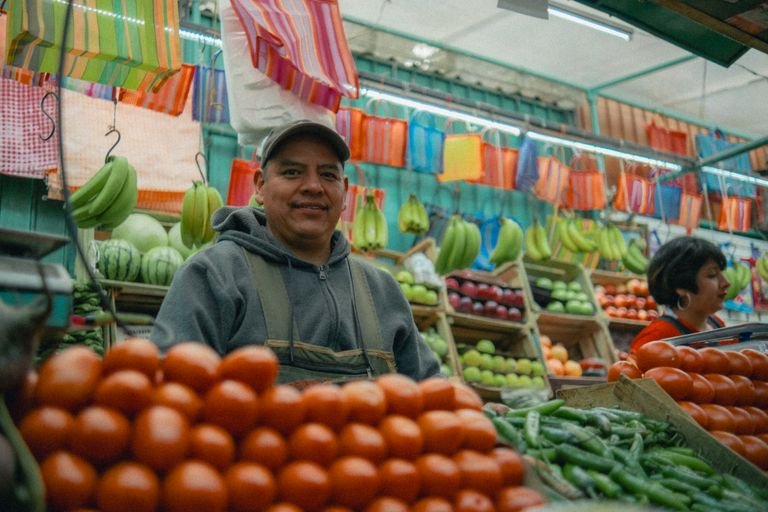
Mexico City also made HappyCow‘s global list of top vegan-friendly cities in recent years, alongside places like Ho Chi Minh City, which says a lot for a place that most travelers still associate with cheese-heavy quesadillas and pork-stuffed tacos. The reality on the ground is very different once you know where to look, and that’s really the whole point of this guide.
Getting Around Mexico City
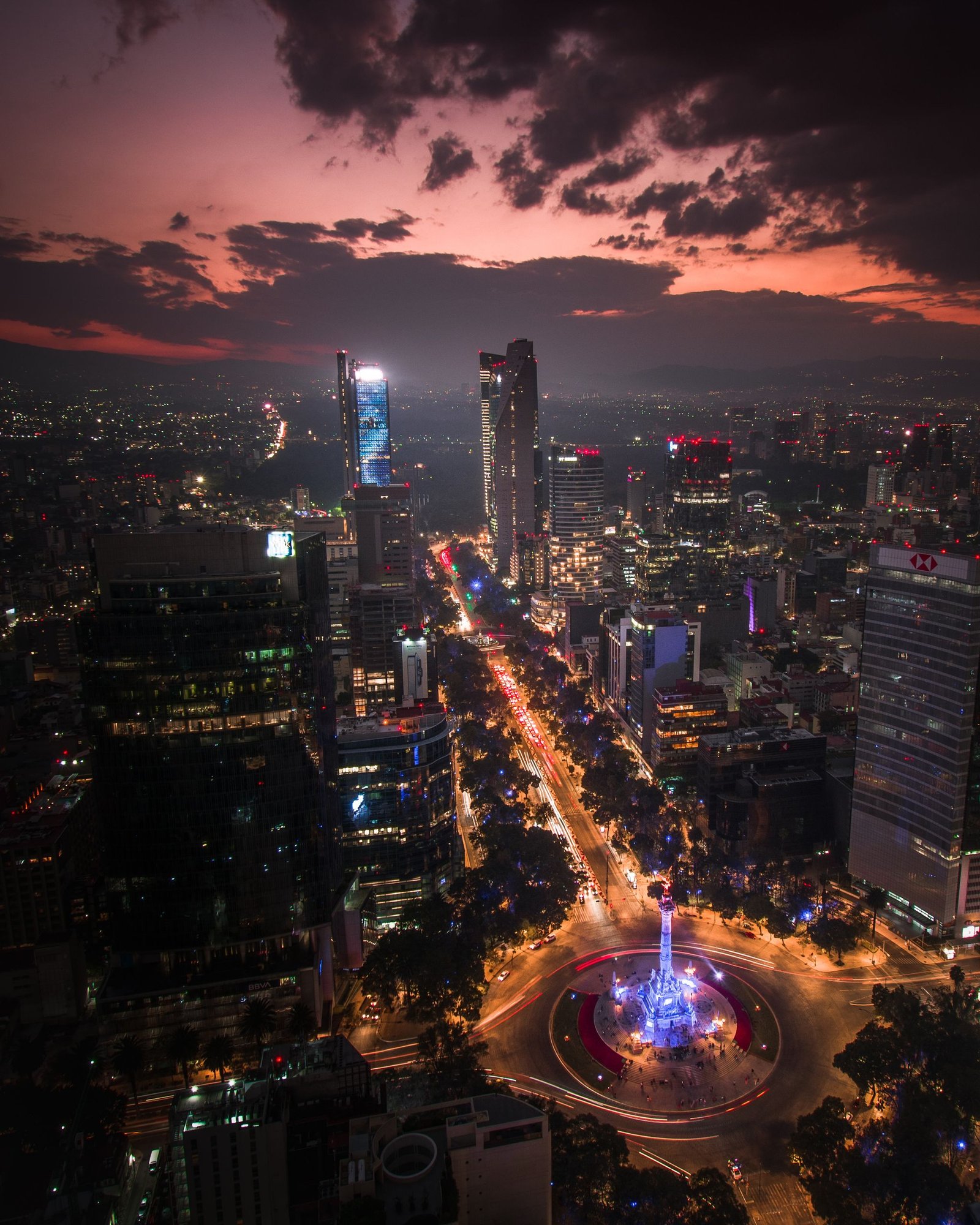
CDMX is enormous, so it helps to think in neighborhoods rather than trying to cover the whole map. Ride-hailing apps like Uber and Didi are widely used, affordable, and generally the easiest way to get around, especially at night or when you’re carrying groceries back from a market. The metro is cheap and extensive if you want to save money and don’t mind crowds during rush hour.
Walking is genuinely one of the best ways to experience Roma Norte, Condesa, and Coyoacán, all three neighborhoods reward slow wandering with tree-lined streets, small parks, and the kind of unplanned food stop that ends up being the best meal of the trip. Just keep an eye on uneven sidewalks and be cautious crossing wider avenues, traffic doesn’t always stop for pedestrians the way you might expect.
Your Vegan Mexico City Travel Guide Neighborhood Breakdown
Where you stay changes everything about how easy this trip feels. A few neighborhoods do most of the heavy lifting for vegan travelers.
Roma Norte
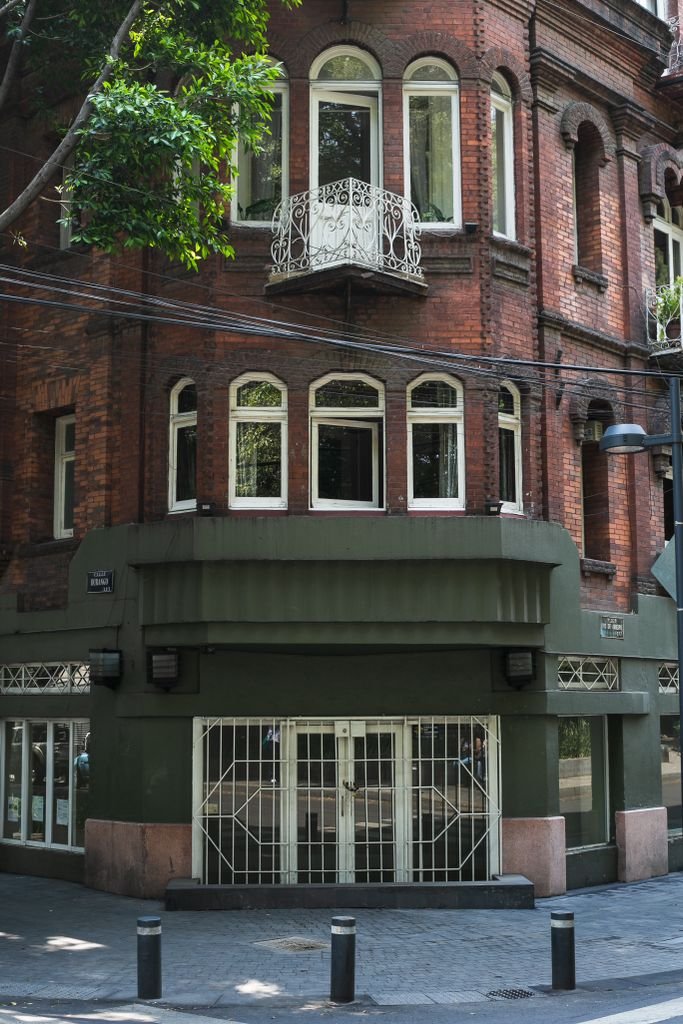
This is the neighborhood to build your trip around. Roma Norte has the highest concentration of vegan restaurants in the city, tree-lined streets, and an easy walkability that makes grabbing food between sightseeing simple. Most of the spots mentioned later in this guide sit within a fifteen-minute walk of each other here.
Condesa
Right next door to Roma Norte, Condesa has a slightly more laid-back, park-adjacent feel with its own strong lineup of plant-based cafes and juice bars. It’s an easy add-on to a Roma Norte home base rather than a separate trip.
Centro Histórico
If you want to be close to the Zócalo, the Templo Mayor, and the bulk of the classic sightseeing, Centro Histórico works, though vegan-specific options are thinner on the ground here. Plan to grab breakfast in your neighborhood before heading out for the day, or lean on accidentally vegan street food (more on that below).
Coyoacán
A little further south, Coyoacán has a completely different vibe: cobblestone streets, mariachi in the plaza, and Frida Kahlo’s Casa Azul. It’s a great half-day trip and has enough naturally plant-based market stalls to keep you fed while you wander.
Vegan Restaurants Worth Building a Meal Around
A couple of spots are worth naming directly because they’re well-established, consistently reviewed, and confirmed open as of this year.
Por Siempre Vegana in Roma Norte is a taco stand and sit-down spot rolled into one, known for seitan al pastor and gringas that convert skeptics. Expect a short wait during peak lunch hours, it’s popular for a reason.
Gracias Madre Taquería Vegana, also in Roma Norte, serves budget-friendly vegan tacos, quesadillas, and enfrijoladas in a casual, counter-service setup. It’s a solid stop for an easy, affordable lunch.
Beyond named restaurants, Roma Norte and Condesa both have a rotating cast of fully vegan cafes, bowl spots, and bakeries, the scene moves fast enough that a live search on HappyCow the morning of will usually turn up a few newer places worth trying.
Navigating Mercados and Street Food as a Vegan
Mexico City’s markets, like Mercado Roma and Mercado San Juan, are some of the best places to eat as a vegan without stepping into a dedicated vegan restaurant. Look for stalls selling esquites (corn in a cup, ask for no mayo or cheese), tlacoyos with beans and nopales, and fresh fruit piled with chili and lime. And you can never go wrong with a vegan food tour to start your trip off right.
Street food in general is where naturally plant-based Mexican cooking shines. For a full breakdown of dishes that are vegan by default almost everywhere in the world, including several Mexican staples, this guide to accidentally vegan street foods is worth a read before your trip.
A few phrases go a long way here: “sin carne” (without meat), “sin queso” (without cheese), and “es vegano?” (is it vegan?) will get you through most ordering situations, even with limited Spanish.
Dishes to Order Without a Second Thought
- Tlacoyos (thick corn cakes filled with beans, often topped with nopales)
- Esquites or elote (corn, ask to skip the mayo and cheese)
- Frijoles charros made without the usual bacon (confirm first)
- Guacamole and salsas, a given at almost every stand
- Fresh fruit cups with chili-lime seasoning
A Simple 3-Day Framework
Day one: Land, settle into Roma Norte, and ease in with a low-key dinner at Por Siempre Vegana or Gracias Madre Taquería Vegana (see links above).
Day two: Spend the morning at the Frida Kahlo Museum in Coyoacán, grab market food for lunch, then head back north for an evening walk through Condesa’s parks.
Day three: Centro Histórico day: Zócalo, Templo Mayor, Palacio de Bellas Artes, with a Roma Norte or Centro breakfast before you head out and dinner back in your home neighborhood once you’re done.
This is intentionally loose. If you want a fully mapped itinerary, I woud love to help you plan your trip.
Worthwhile Day Trips From CDMX
If you have an extra day or two, a couple of trips outside the city are worth the drive. The pyramids at Teotihuacan are the obvious pick, and while food options right at the site are limited, most guided tours build in a stop at a restaurant along the way where vegan requests are easy to accommodate.
Xochimilco, the network of canals and floating gardens south of the city, is another popular half-day trip. The famous trajinera boat rides come with food and drink vendors paddling by, so it’s worth eating beforehand or packing snacks if you want to skip the animal-based options on offer.
What to Pack for Vegan Travel in Mexico City
A few things make a real difference on a trip like this:
- A reusable water bottle with a filter, since tap water isn’t recommended
- Electrolyte packets, useful given the altitude (CDMX sits at roughly 7,350 feet)
- A small Spanish phrasebook or translation app loaded before you land
- Snack bars for the gaps between meals
For a broader packing list built specifically around vegan travel, the Ultimate List of Vegan Travel Accessories rounds up everything from reusable cutlery to translation cards.
Practical Travel Tips
Altitude: Mexico City sits high enough that some travelers experience mild headaches, shortness of breath, or fatigue in the first day or two. Hydrate more than usual and take it easy on day one.
Tipping: 10 to 15 percent is standard at sit-down restaurants. Counter and street stalls don’t expect a tip, though a tip jar is always appreciated.
Cash vs. card: Sit-down restaurants generally take cards, but street stalls and smaller stands are cash-only. Carry small bills.
Budget: Vegan travel in CDMX can be genuinely affordable, street tacos run just a few dollars, and even sit-down meals rarely feel expensive by US standards. If budget planning across a whole trip is something you want more detail on, Vegan Travel on a Budget breaks down how to eat well for less anywhere in the world.
If you’d rather have someone else handle the research on where to eat and what to see, a guided food tour is a great shortcut. Unique Vegan Food Tours Worth It covers how to pick a good one, wherever you’re headed.
Frequently Asked Questions
Is Mexico City easy for vegans to visit?
Yes. Mexico City has one of the strongest vegan food scenes in North America, with dozens of fully vegan restaurants concentrated in Roma Norte and Condesa, plus naturally plant-based street food available almost everywhere.
What neighborhood should vegan travelers stay in?
Roma Norte is the best home base, it has the highest concentration of vegan restaurants and puts you within easy walking distance of Condesa. Both neighborhoods are safe, walkable, and well set up for tourists.
Is Mexican street food safe for vegans?
Much of it is naturally plant-based, corn, beans, and chiles are the foundation of a huge number of dishes. Just confirm ingredients when you’re unsure, since broth or lard can sometimes sneak into things like beans or salsas.
Do I need to speak Spanish to eat vegan in Mexico City?
Not fluently. A handful of key phrases like “sin carne” and “es vegano?” go a long way, and many restaurants in tourist-heavy neighborhoods have English-speaking staff or translated menus.
How many days should I spend in Mexico City?
Three to four days is enough to cover the major sights and eat well without feeling rushed. If you’re combining it with other parts of Mexico, CDMX makes a great home base for two or three days before heading out.