Local markets for vegan travelers might be the single best use of a free morning on any trip. Long before you find the best restaurant in a new city, the market has already shown you what’s actually in season, what the locals are buying, and which produce stands, spice stalls, and juice carts are worth a second visit. For a vegan traveler, a market is also just an easier place to eat. You can see exactly what you’re getting, point at what looks good, and skip the menu-translation guessing game entirely.
This guide covers how to actually navigate a market as a vegan (without missing the good stuff), seven markets around the world worth planning a morning around, and what to pack so you’re not caught without a reusable bag or the right snack when hunger hits.
When you are ready to start planning, the essential vegan travel guide is a great place to start!
This content is reader-supported, which means if you click on some of our links, we may earn a small commission at no additional cost to you.
Why Local Markets for Vegan Travelers Deserve Prime Real Estate on Your Itinerary
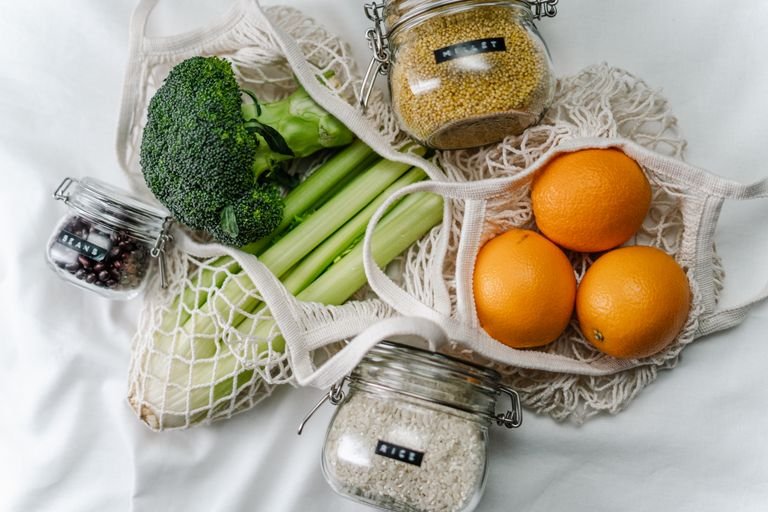
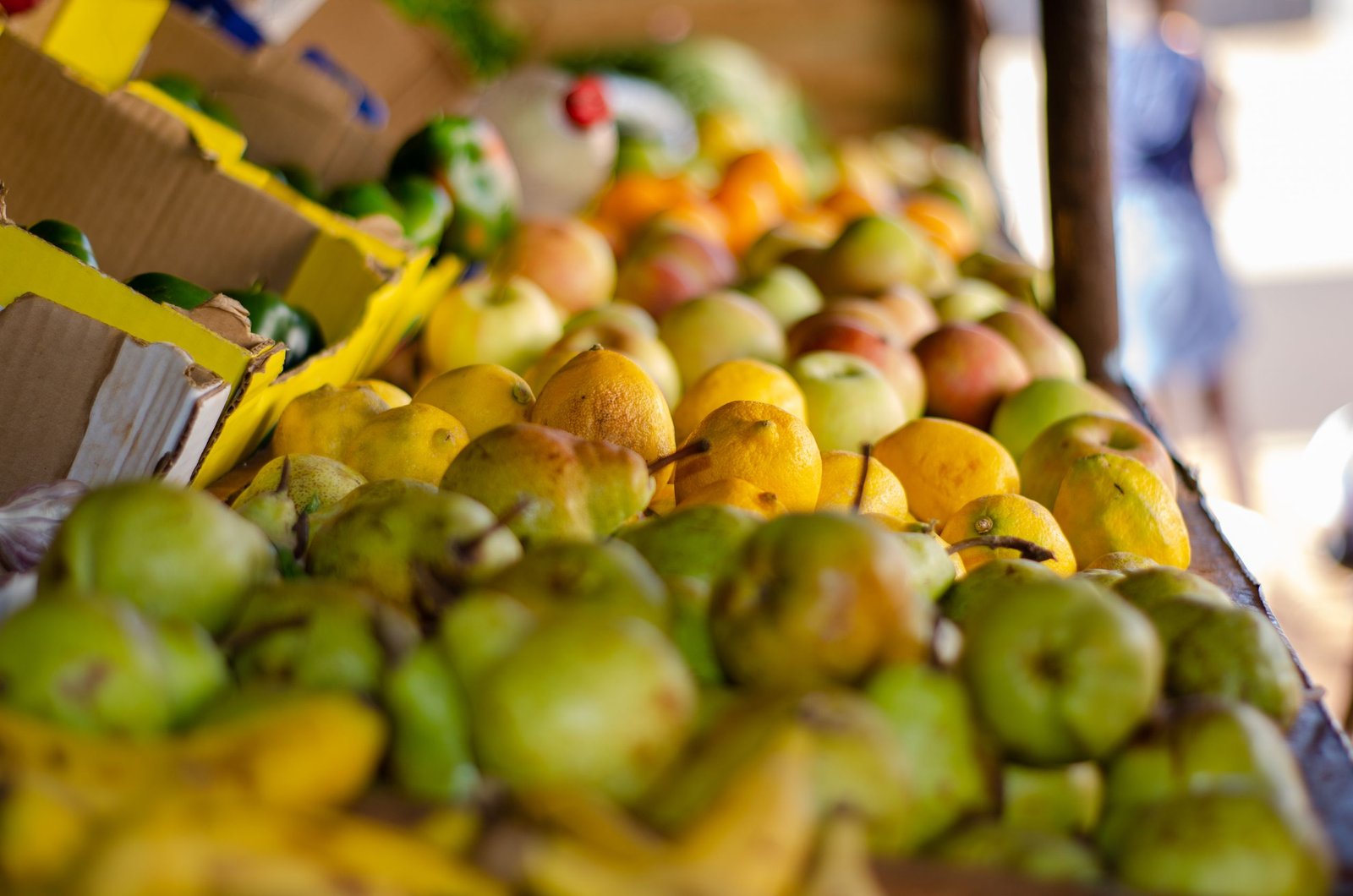
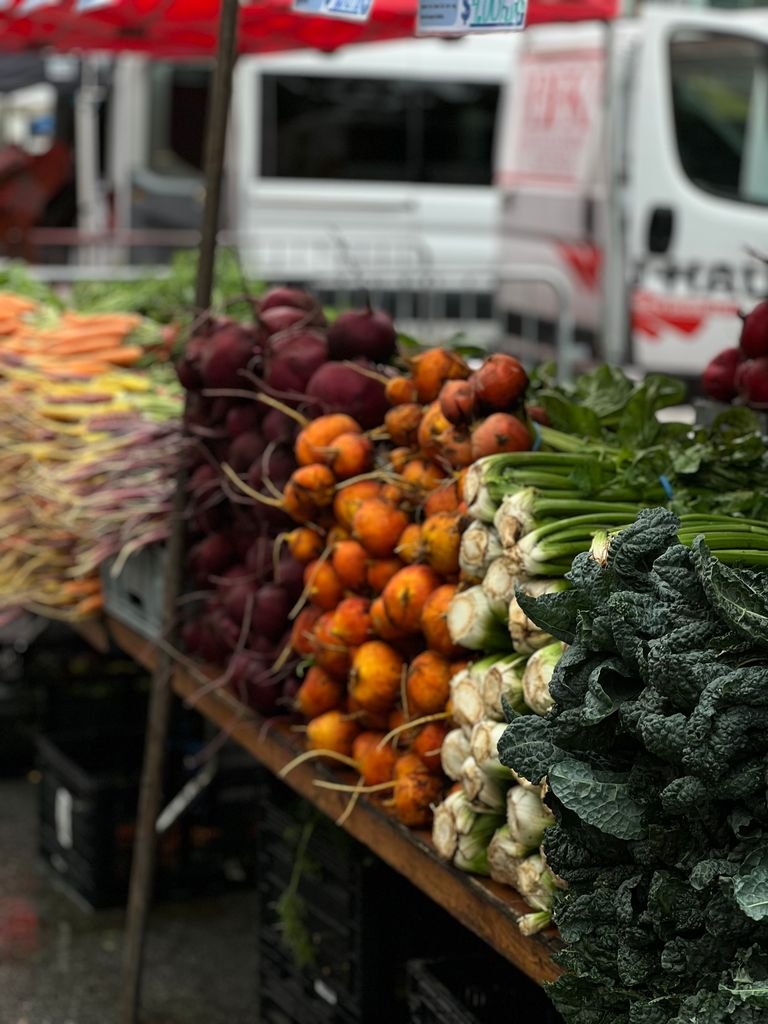
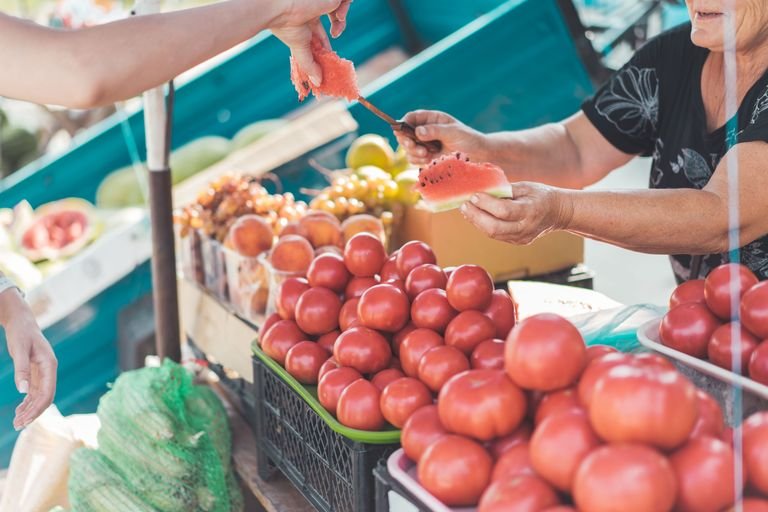
Markets solve a few problems at once. They’re cheap, they’re fast, and they hand you a crash course in local food culture before you’ve even sat down for a meal. For vegan travelers specifically, markets tend to have more accidentally-vegan options than restaurants do: whole fruit, roasted nuts, fresh juice, grilled vegetables, rice and bean dishes, and bread that doesn’t rely on butter or eggs. You’re also buying straight from the person who grew or made the thing, which tends to feel a lot more like actually being somewhere instead of just passing through it.
Markets also make a great low-stakes way to try foods you’re unsure about. A two-dollar sample of something unfamiliar is a much easier gamble than committing to a full restaurant plate.
How to Shop a Market Like a Confident Vegan
A little prep goes a long way here. None of this requires fluency in the local language, just a few habits that make the whole experience smoother.
Learn a Few Key Phrases Before You Go
You don’t need much. “No meat,” “no fish,” “no dairy,” and “no egg” in the local language will get you further than you’d think, especially paired with pointing. Save these phrases in your phone’s notes app before you land, since you won’t always have signal at the market itself. If you are unsure where to start, take a look at our guide on how to easily find vegan food in any country.
Bring Your Own Bag and Container
Most market vendors expect you to bring something to carry your haul in, and produce, nuts, and baked goods often get sold without packaging at all. A foldable tote and a small container for anything with sauce or dressing will save you from juggling loose fruit down the street.
Go Early or Go at Golden Hour
Morning gets you the best selection and the freshest produce, especially at fish- and meat-heavy markets where you’ll want to steer clear of certain sections anyway. Late afternoon, closer to closing, is when vendors are often more willing to let you sample something before you buy, since they’d rather sell it than pack it back up.
Follow the Produce, Not the Crowd
The busiest stall isn’t always the best one for a vegan traveler. Look for the vendors with the most turnover on fruit, vegetables, grains, and legumes, and don’t be shy about walking past the sections that are clearly built around meat or seafood. Most markets have both, and treating it like a buffet where you pick your lane works just fine.
7 Markets Worth Building a Day Around
These are working markets, not tourist attractions built for a photo. That’s exactly what makes them worth the detour.
La Boqueria, Barcelona
Just off La Rambla, this covered market has been running since the 1800s and is currently mid-renovation, though it’s staying open the entire time. Skip the tourist-priced juice cups near the entrance and head toward the back stalls for produce, dried fruit, nuts, and legumes at local prices. The fresh-squeezed juice and fruit cups here make an easy, entirely plant-based breakfast. This market is a great addition to add to your 3 day Barcelona trip.
Make sure you bring a reusable produce bags or a collapsible cooler tote for your market hauls!
Gwangjang Market, Seoul
One of Korea’s largest and oldest traditional markets, known for mung bean pancakes (bindaetteok), rice cakes, and a dizzying number of banchan (small Korean side dishes) stalls. Vegan options exist but take a little more legwork here, since broth and sauces frequently include fish, so this is a good spot to lean on a translated phrase card or a guided tour built specifically around plant-based eating.
Pro tip: book this guided vegan-friendly Gwangjang Market food tour to take the guesswork out
Chatuchak Weekend Market, Bangkok
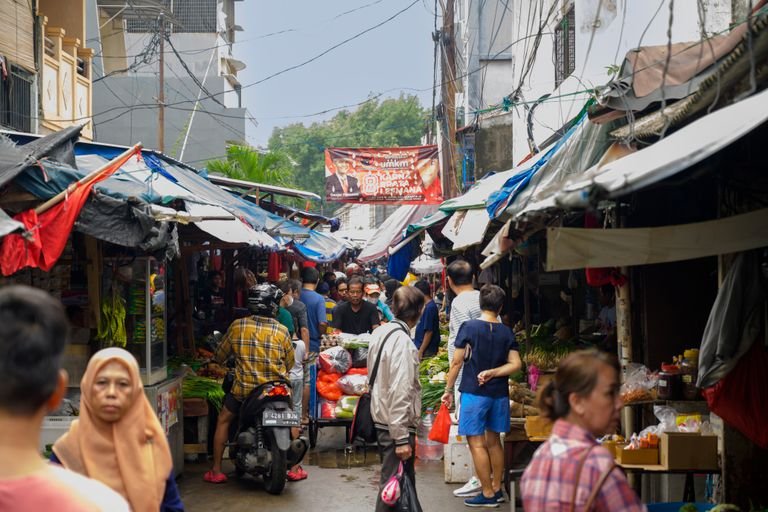
This is less a market and more a small city, with thousands of stalls spread across dozens of sections. The food section has an enormous range of naturally vegan Thai dishes: som tum, sticky rice, grilled corn, and fresh mango, plus a long list of stalls to skip if you’re avoiding fish sauce and shrimp paste. Go on the actual weekend, since most of the food stalls only run Saturday and Sunday.
Ballarò Market, Palermo
Sicily’s oldest and most chaotic market, running through the narrow streets of Palermo’s historic center. The produce here is the real draw for a vegan traveler: citrus, olives, sun-dried tomatoes, and vegetables piled high, alongside the more famous (and very much not vegan) street food the market is known for. Come for the produce and the atmosphere, and plan your actual meal elsewhere in the neighborhood.
Borough Market, London
Tucked under the railway arches near London Bridge, this is one of the older food markets in the UK and it’s not going anywhere. Vegan-friendly stalls have grown steadily here over the past several years, and you’ll find plant-based curries, vegan cheese, fresh bread, and produce stands that make it easy to build a full lunch without setting foot in a restaurant. And with this portable utensil set you’re ready to eat.
Tsukiji Outer Market, Tokyo
The wholesale tuna auction moved to Toyosu back in 2018, but the outer market, with its hundreds of small shops and stalls, is still very much open and still one of the better food experiences in Tokyo. It leans heavily seafood, so a vegan traveler’s best bet is the produce stalls, tamagoyaki alternatives, pickled vegetables, and the occasional shop specializing in dashi-free miso and tofu products. Go early, since most stalls wind down by early afternoon.
Mercado de San Juan, Mexico City
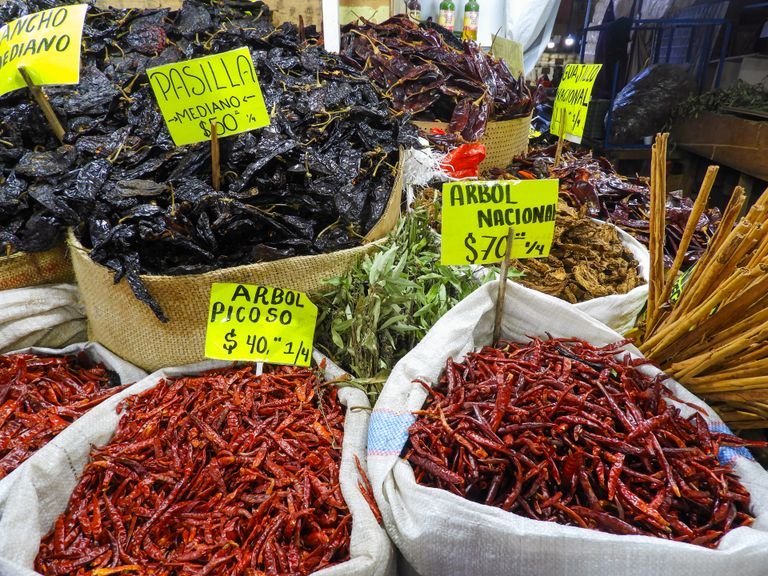
Known locally for its more exotic offerings (yes, there are stalls selling things like crocodile and grasshoppers), this market‘s produce, spice, and dried chile sections are excellent and worth the visit on their own. It’s a good example of a market where a vegan traveler simply picks a lane: skip the exotic meat counters entirely and head for the fruit, herbs, and spice vendors instead.
What to Pack for a Market Day
A market day has its own small packing list, separate from the rest of your trip.
What to Pack:
- Reusable tote or produce bags
- Small container for anything with sauce or dressing
- Hand sanitizer or wipes
- A reusable water bottle
- Cash in small bills (many stalls don’t take cards)
When to Book a Guided Market Food Tour Instead
Some markets are worth navigating solo, and some are genuinely easier with a guide, especially ones like Gwangjang or Chatuchak where language and sauce ingredients can be tricky to sort out on your own. A guided vegan or vegetarian market food tour usually costs less than a sit-down meal and gets you a translator, a curated list of safe stalls, and a much faster education in what you’re actually eating.
This page is an excellent place to search for vegan food market tours all over the world.
FAQ
Are local markets safe for vegans to eat at?
Yes, in most cases. Markets tend to be transparent about what’s in front of you, since you’re buying whole produce, nuts, or freshly prepared food rather than ordering off a menu. The main thing to watch for is shared cooking surfaces and sauces that may contain fish sauce, shrimp paste, or animal-based broths, which is where a few key phrases or a guided tour come in handy.
What’s the best time of day to visit a market as a vegan traveler?
Early morning usually offers the best produce selection and the least crowded stalls, while late afternoon can mean better prices as vendors look to sell out before closing. Either works well for a vegan traveler, though morning tends to be better if you want first pick of fresh fruit and vegetables.
Do I need to know the local language to shop at a market?
Not really. A handful of saved phrases for “no meat,” “no fish,” “no dairy,” and “no egg,” plus pointing and a smile, will get you through most transactions. Bigger markets in tourist-heavy cities often have some English signage or vendors who speak a little English as well.
Are local markets cheaper than restaurants?
Generally, yes. You’re buying closer to the source, and produce, snacks, and street-style market food are almost always priced lower than a sit-down meal, even in touristy market sections.
Can I build a full meal out of market food alone?
Absolutely, and it’s one of the best reasons to visit. Between fresh fruit, roasted nuts, rice and bean dishes, grilled vegetables, and bread, most markets on this list can easily cover breakfast or lunch without needing to seek out a restaurant at all.