This content is reader-supported, which means if you click on some of our links, we may earn a small commission at no additional cost to you.
Vegan travel in the US used to mean packing snacks and hoping for the best. That’s not really the case anymore. Plant-based menus have shown up in small towns, chain restaurants now list vegan options without you having to ask three follow up questions, and entire neighborhoods in bigger cities have built a reputation around fully vegan dining. Whether you’re planning a two week road trip or a long weekend somewhere new, this guide walks through the cities, logistics, and planning details that make traveling vegan across the country a lot less stressful.
If you’re just getting your travel style figured out in general, our essential vegan travel guide is a good place to start before diving into the US specific stuff below.
Why Vegan Travel in the US Has Gotten So Much Easier
A decade ago, vegan travel in the US mostly meant a handful of coastal cities and a lot of grocery store meals in between. That’s shifted. Plant-based eating has moved from niche to mainstream fast enough that even mid-sized cities now have multiple fully vegan restaurants, and most casual chains carry at least one clearly labeled plant-based item. Grocery stores in nearly every state carry plant milks, meat alternatives, and dairy-free options that used to be specialty items.
The bigger shift is attitude. Servers ask fewer confused questions. Menus label allergens and diet types clearly. And apps that map vegan and vegan-friendly spots mean you’re rarely more than a few minutes from an option, even off the beaten path. None of this means every stop on your trip will be effortless, but the baseline has moved a lot in our favor.
Part of this comes down to how much plant-based eating has folded into everyday American food culture rather than staying a specialty category. Grocery chains now stock oat milk next to dairy milk instead of tucking it away in a separate aisle. Fast food chains have added plant-based patties to their regular menus. And a lot of ethnic cuisines that were already naturally plant-heavy, think Ethiopian, South Indian, and parts of Mexican and Southeast Asian cooking, have become easier to find outside of major cities. That combination means you’re rarely starting from zero, even somewhere you’ve never been.
Best Vegan-Friendly Cities Across the US
Some cities have leaned all the way into plant-based dining, and they’re worth building a trip around. Here’s a regional breakdown to help you plan.

West Coast Vegan Hotspots
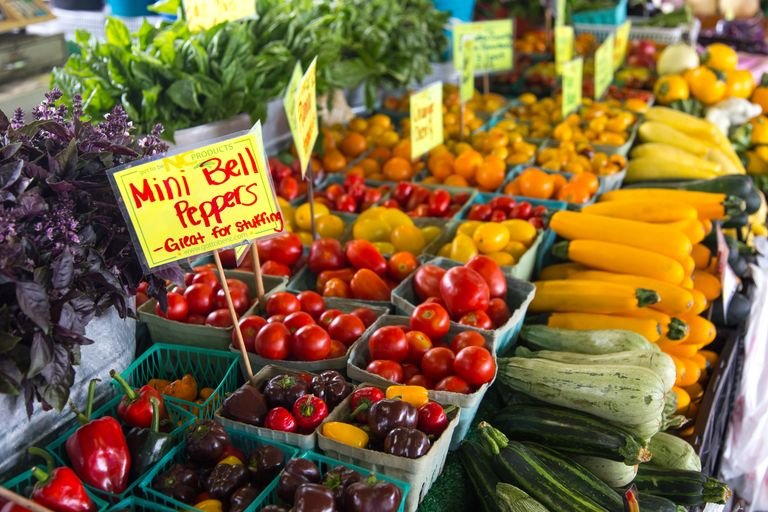
The West Coast has the deepest bench when it comes to vegan dining, largely thanks to a long history of health-focused and sustainability-minded food culture. Expect entire blocks with multiple vegan options, extensive Asian-inspired plant-based menus, and juice and smoothie spots on nearly every corner. This is the easiest region to travel through if it’s your first vegan trip in the US, since you’ll rarely need to plan more than a few minutes ahead. Farmers markets are also a big part of the culture out here, running year-round in a lot of cities and making it easy to eat well even on a tight budget.
East Coast Vegan Hotspots
East Coast cities took a little longer to catch up, but the growth over the last several years has been significant. Expect a stronger mix of vegan comfort food, bakeries doing serious work with plant-based pastries, and a growing number of fine dining spots adding fully vegan tasting menus. Density is high enough in most major East Coast metros that walking between options is realistic, and public transit makes it easy to hop between neighborhoods chasing specific dishes without needing a car.
The South and Midwest Are Catching Up Fast
This is where the most interesting growth is happening right now. Cities across the South and Midwest have added vegan-owned restaurants, soul food spots doing fully plant-based menus, and breweries and taprooms adding vegan snack menus. It takes a bit more planning than the coasts, but the food is often more affordable and less crowded, which makes for a nice change of pace. A little research before you go pays off here more than in coastal cities, since options are more spread out and less concentrated into one obvious neighborhood.
There are vegan food tours all over the country. I find these to be an excellent way to see what each city has to offer.
Planning a Vegan Road Trip Across America
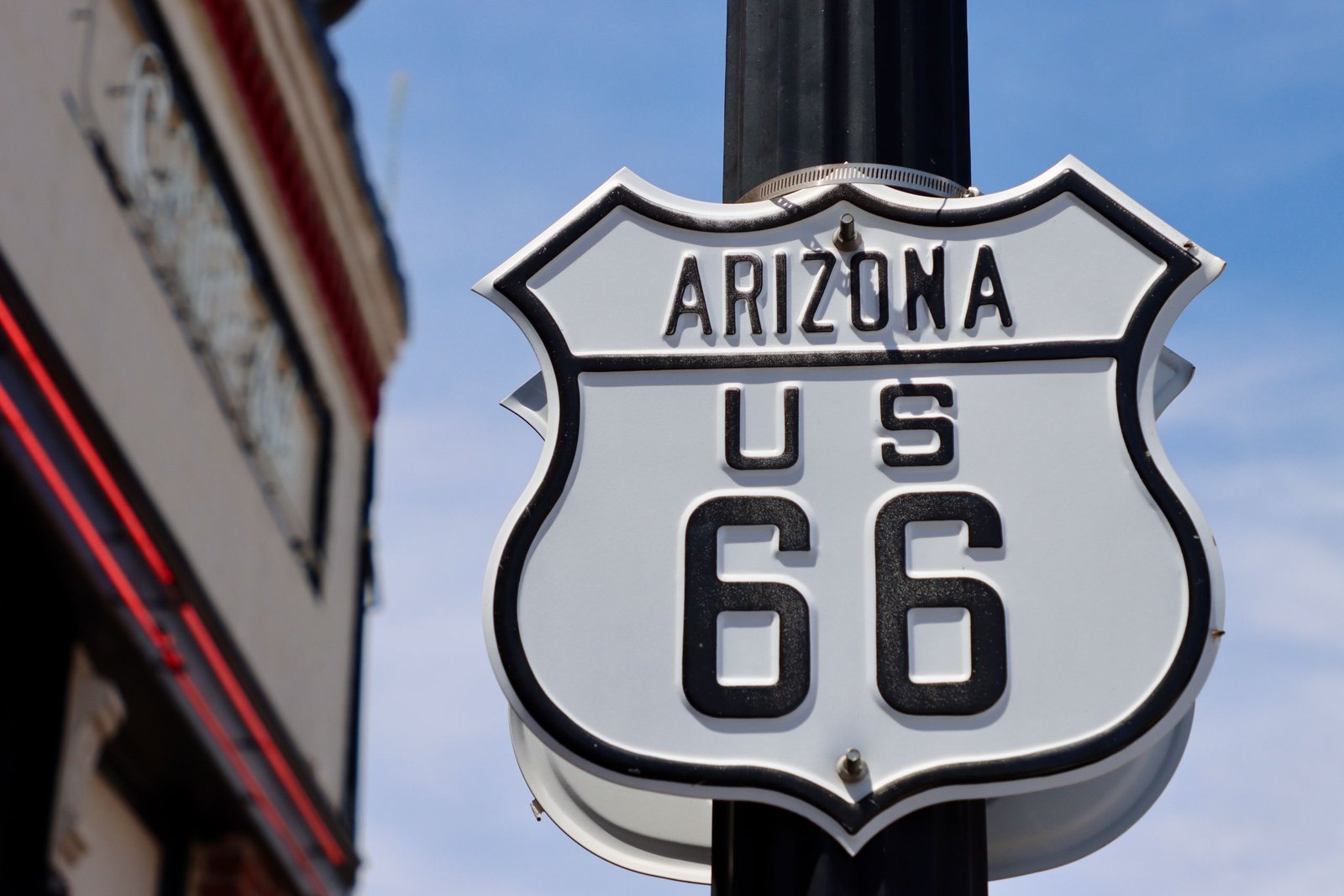
Road trips are one of the best ways to experience vegan travel in the US, since you control the pace and can route yourself through cities with strong plant-based scenes instead of getting stuck at random highway exits. Mapping your route around meal stops rather than just gas stops makes a real difference. Small college towns tend to overperform for vegan options, and so do cities with a strong farmers market or co-op culture.
For a full breakdown of specific routes and pit stop strategy, our ultimate vegan road trip guide covers this in a lot more depth.
Flying Vegan: Airports and In-Flight Prep
Airport food used to be the weak link in any vegan trip, and in some airports it still is. But plenty of major hubs have added grab-and-go plant-based options, and a few have gone all in with dedicated vegan concepts near the gates. Knowing which airports to expect more from, and which ones to pack around, saves a lot of last minute stress.
We’ve broken down exactly which US airports are worth the walk and which ones you should just pack around in our guide to plant-based airport eating.
Where to Stay: Vegan-Friendly Hotels and Airbnbs
Accommodation matters more than people expect for vegan travel. A kitchenette or even just a mini fridge and microwave changes what’s realistic for breakfast and late night snacks. Some hotel chains have also started training staff on plant-based requests and offering dairy-free options at breakfast buffets, which is worth checking before you book.
For a full walkthrough of what to look for and how to search smarter, check out our guide on booking vegan-friendly hotels and Airbnbs.
What to Pack for Vegan Travel in the US
A little bit of packing prep goes a long way, especially for road trips or destinations without a lot of grocery access. Here’s what’s worth bringing:
- A reusable water bottle and collapsible food container for leftovers or market finds
- Shelf-stable snacks like nut butter packets, protein bars, or dried fruit for gaps between meals
- A small cooler bag if you’re driving, for grocery store or farmers market hauls
- Travel-size hand sanitizer and wipes for grab-and-go meals on the road
- A translation card or app if you’re also planning international travel later this year, though this matters less domestically
If you want a full rundown of tried and tested gear, our list of vegan travel accessories has more detail.
Talking About Your Diet Without Overexplaining
One small skill that makes a big difference for plant-based travel USA style is learning how to communicate what you need without turning it into a whole conversation. Most servers respond best to simple, direct language. Saying you eat “fully plant-based, no meat, dairy, or eggs” tends to get a clearer answer than the word vegan alone, which some staff still associate only with produce and skip over sauces, broths, or baked goods that quietly contain animal products.
It also helps to ask specifically about shared cooking surfaces or fryers if cross contact matters to you, and to ask what’s in the sauce rather than just whether a dish is vegan, since kitchens don’t always think to mention butter finishes or fish-based condiments unless you ask directly. None of this needs to feel awkward. Most restaurant staff across the country are used to the question by now, and a quick, specific ask usually gets you a quick, specific answer.
National Parks and Outdoor Adventures as a Vegan Traveler
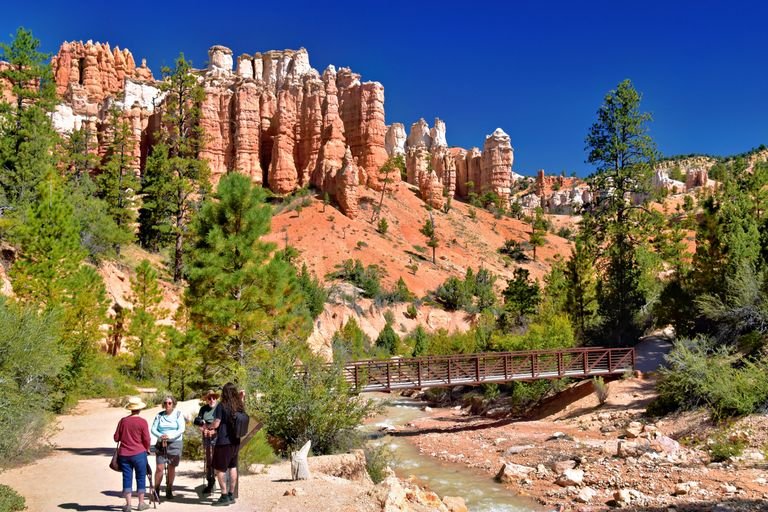
The US has an enormous amount of outdoor travel built into its identity, and national parks are often the centerpiece of a longer trip. Dining inside parks themselves can be limited, so this is one area where packing ahead really matters. Gateway towns just outside major parks have gotten noticeably better over the last few years, with more co-ops, cafes, and grocery stores carrying plant-based staples than you’d expect for a small mountain town.
Plan to stock up before you head into more remote areas, and treat any in-park dining as a bonus rather than something to rely on.
Common Mistakes to Avoid
A few patterns come up again and again with first-time vegan travelers in the US, and they’re easy to avoid once you know about them.
- Assuming rural areas will have nothing. Small towns are hit or miss, but co-ops, Mexican and Asian restaurants, and even gas station snack aisles have gotten a lot better.
- Skipping research on chain restaurants. Several major chains quietly carry solid plant-based items that aren’t always front and center on the menu.
- Underpacking snacks for travel days. Flight delays and long drives happen, and having something on hand keeps hangry moments to a minimum.
- Not double checking hidden ingredients like honey, gelatin, or fish sauce in unexpected places, especially in fusion and Asian-inspired restaurants.
For a longer breakdown of these patterns and a few more, our post on common mistakes vegan travelers make is worth a read before you leave.
Frequently Asked Questions
Is it hard to travel vegan in the US?
It’s gotten significantly easier over the last several years. Major cities and even a lot of smaller towns now have plant-based options, though rural and remote areas still take a bit more planning.
Which US cities are best for vegan food?
West Coast cities tend to have the deepest and most established vegan food scenes, but East Coast metros and several Southern and Midwestern cities have caught up quickly and offer a lot of variety too.
Do US airports have good vegan food options?
Some do. A number of major hubs now have grab-and-go plant-based options or dedicated vegan concepts, but it varies a lot by airport, so it helps to check ahead or pack a backup snack.
What should I pack for a vegan road trip in the US?
Shelf-stable snacks, a cooler bag for grocery and market finds, and a reusable water bottle and food container cover most of what you’ll need between planned meal stops.
Are national parks vegan friendly?
Dining inside the parks themselves is often limited, but gateway towns nearby have improved a lot. Stocking up before heading into more remote areas is the safest bet.