
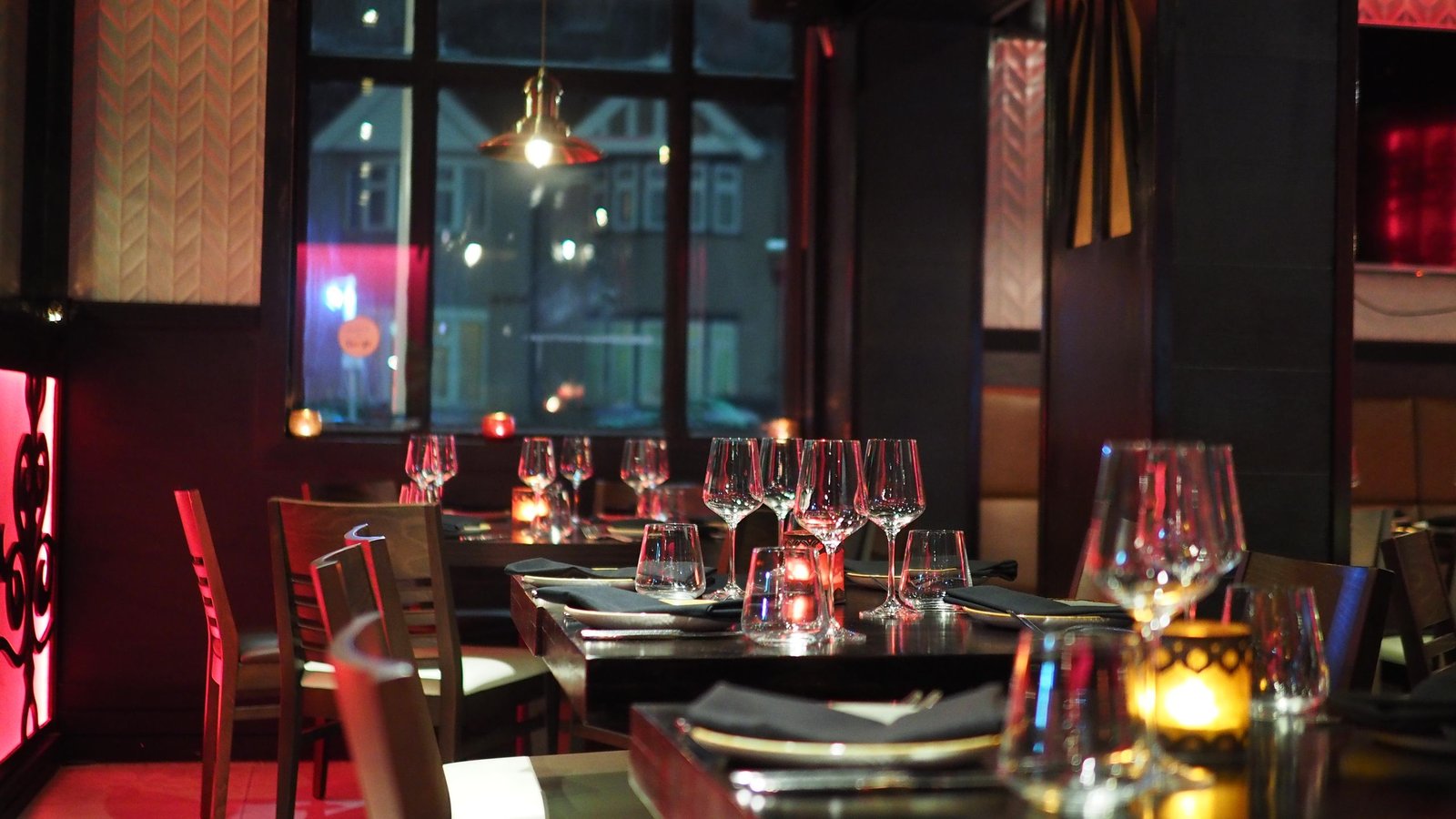
This content is reader-supported, which means if you click on some of our links, we may earn a small commission at no additional cost to you.
Have you ever experienced the joy that comes from sitting down to a proper tasting menu, wine glass in hand, and realizing the kitchen actually gets it? I’s amazing. Just course after course built around vegetables, grains, and technique, with a wine list that was clearly put together by someone who cares.
Vegan fine dining has come a long way in the last few years. What used to mean hunting down the one raw food cafe in a city now means Michelin stars, centuries-old temple traditions, and sommeliers who can talk you through a natural wine pairing without blinking. This guide walks through how to actually find these experiences wherever you’re headed, what to expect once you’re seated, and a few standout spots around the world worth building a trip around.
What “Vegan Fine Dining” Actually Means Today
The category has split into two very different traditions, and it helps to know the difference before you start booking tables.
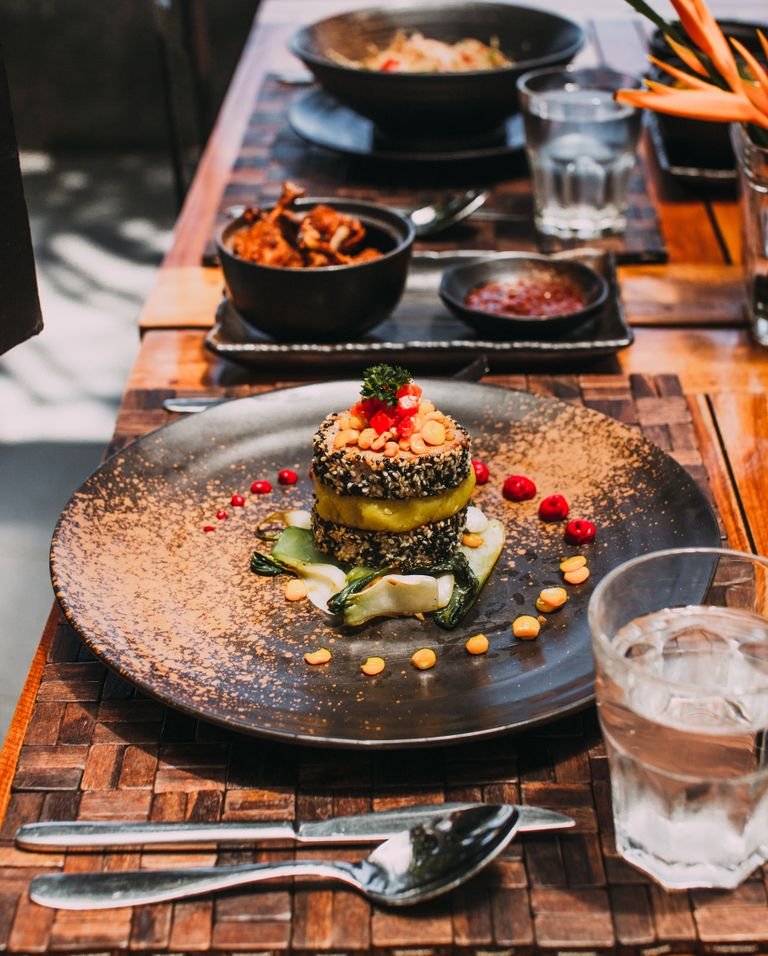
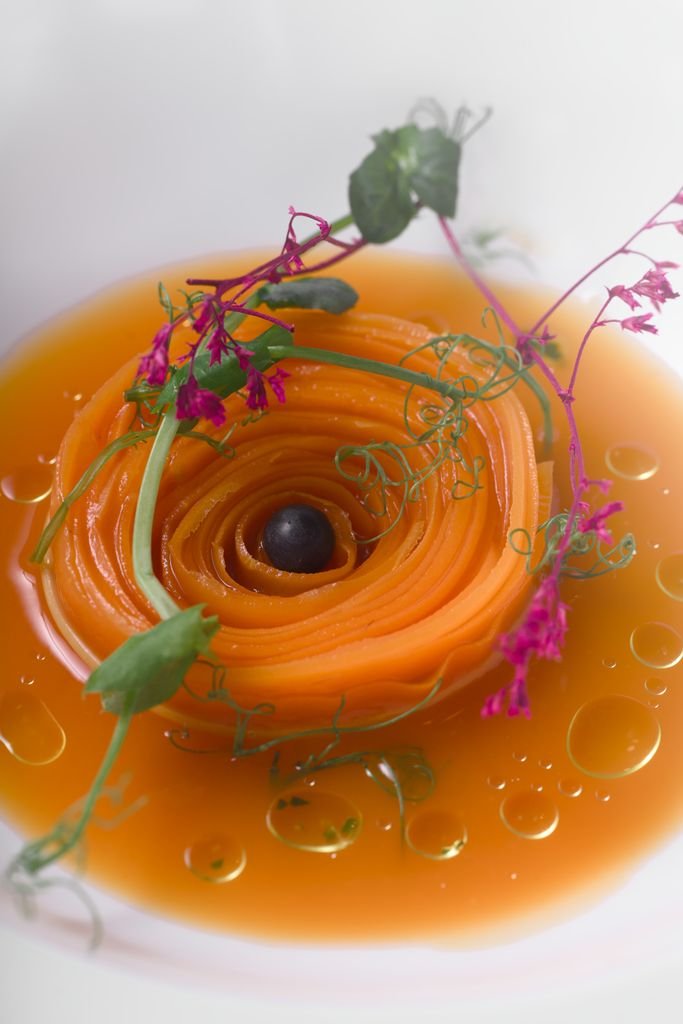
The first is the modern plant-based fine dining movement. This is the wave that’s brought Michelin stars to vegan kitchens over the past several years, with chefs treating vegetables as the main event rather than a stand-in for meat. A whole roasted celeriac gets hours of attention. A charred cabbage becomes the centerpiece of a course. It’s technical, seasonal, and often built around tasting menus that change with what’s available that week.
The second is much older: Buddhist temple cuisine. Japanese shojin ryori, Chinese Buddhist vegetarian cooking, and Korean temple food have been vegan by religious precept for centuries, built on tofu, yuba, sesame, kombu, and fermentation, with no meat, fish, or even alliums like onion and garlic. This tradition never needed a trend cycle to prove itself.
Both are worth seeking out, and knowing which one you’re walking into changes what you should expect on the plate.
Vegetarian vs. Vegan Fine Dining: Know the Difference Before You Book
This distinction trips up a lot of travelers, so it’s worth spelling out. Vegetarian fine dining still leans heavily on butter, cream, cheese, and egg yolks to build richness. A vegan kitchen has to find that same depth of flavor without any of those tools, which is a genuinely harder technical challenge. That’s part of why a truly great vegan tasting menu is rarer, and often more interesting, than a vegetarian one. Always double check whether a restaurant is fully vegan or vegetarian-with-vegan-options before you book, especially for a special occasion.
How to Actually Find Vegan Fine Dining Wherever You Travel
Finding the best vegan restaurant in a city you know is one thing. Finding a genuinely great fine dining experience in a city you’ve never visited is another skill entirely. Here’s the strategy that works.
Start With the Michelin Guide’s Vegan Filter
The Michelin Guide website lets you filter by “vegan options” for any region it covers, which is a faster and more reliable starting point than a general search. It won’t catch every worthwhile restaurant, since plenty of exceptional vegan kitchens haven’t been reviewed yet, but it’s a solid first pass for identifying restaurants where the kitchen has already proven it can execute at a high level.
Call Ahead, Even When a Menu Looks Vegan-Friendly
Tasting menus are often built as a single fixed sequence, and substitutions aren’t always simple once the kitchen has already prepped for the night. A quick email or phone call a few days out, letting the restaurant know you’re vegan, almost always results in a better experience than showing up and hoping for the best. Many fully plant-based restaurants don’t need this step, but it matters a lot for vegetarian or omnivore restaurants with strong vegan options.
Book Early for Anything With a Star
Starred restaurants, vegan or not, tend to book out weeks or sometimes months ahead, especially for weekend dinner slots. If a specific restaurant is the whole reason you’re routing a trip through a city, treat the reservation like you’d treat a flight: lock it in first, then build the rest of the itinerary around it.
Tour Recommendation: This Vegan Fine Dining Experience is set in one of Rwanda’s premier restaurants. Features a meticulously crafted 6-course tasting menu, showcasing the finest seasonal and locally sourced ingredients. Each dish highlights the rich and diverse flavors of Rwanda, offering a unique and refined dining experience.
Standout Vegan Fine Dining Restaurants Around the World
A handful of restaurants have earned genuine recognition for what they’re doing with plant-based cooking. This isn’t a complete list, and the vegan fine dining scene shifts fast (a few high-profile restaurants have added animal products back to their menus in recent years), so it’s always worth confirming current hours and menu status directly with the restaurant before you build a trip around one.
Europe
Plates (London, UK) became the first fully vegan restaurant in Britain to earn a Michelin star, with a seasonal tasting menu built around classical French technique.
Seven Swans (Frankfurt, Germany) holds the distinction of being one of the earliest Michelin-starred vegan restaurants in the world, set inside a narrow historic building with a five-hour set menu and views over the river.
De Nieuwe Winkel (Nijmegen, Netherlands) holds two Michelin stars and a Green Star, with a menu built around “botanical gastronomy” and ingredients grown or foraged close to home.
Légume (Seoul, South Korea), while technically outside Europe, deserves a mention here for chefs following the same modern plant-based movement, earning a Michelin star for its inventive vegan cuisine.
Tour Recommendation: This vegan street food tour in Rome is an opportunity to explore Rome from a plant-based perspective, taste incredible cruelty-free versions of the city’s most iconic street food, all while learning how to navigate Rome as a vegan.
Asia
Daigo (Tokyo, Japan) carries two Michelin stars for its shojin ryori, the centuries-old temple cooking tradition built entirely without meat, fish, onion, or garlic. It’s a genuinely different experience from Western-style tasting menus and worth building a full evening around. This guide to traveling as a vegan in Japan is a great place to start.
King’s Joy (Beijing, China) holds two Michelin stars and a Green Star for its Buddhist vegetarian cuisine, set in a converted courtyard house with a menu rooted in centuries of tradition.
North America
Vedge (Philadelphia, USA) has held Michelin recognition for years, with a menu that leans hard into seasonal produce and confident, unfussy technique.
abcV (New York City, USA) brings a lighter, more globally influenced take to plant-based tasting menus, with dishes built around greens, broths, roots, and whole grains.
Pairing Wine With a Vegan Tasting Menu
Wine pairing at a vegan restaurant works a little differently than you might expect, and it’s worth understanding before your first course arrives.
Why Not All Wine Is Vegan
Traditional winemaking often uses animal-derived fining agents, like egg whites, gelatin, or isinglass (derived from fish), to clarify the wine before bottling. These get filtered out and don’t end up in the final product in any meaningful amount, but the process itself isn’t vegan. Most fine dining restaurants with strong vegan menus have already curated wine lists using clay, bentonite, or activated charcoal as fining agents instead, so you generally don’t need to interrogate every bottle. If you want to be thorough, Barnivore is a solid resource for checking specific labels.
What to Expect From the Pairing Itself
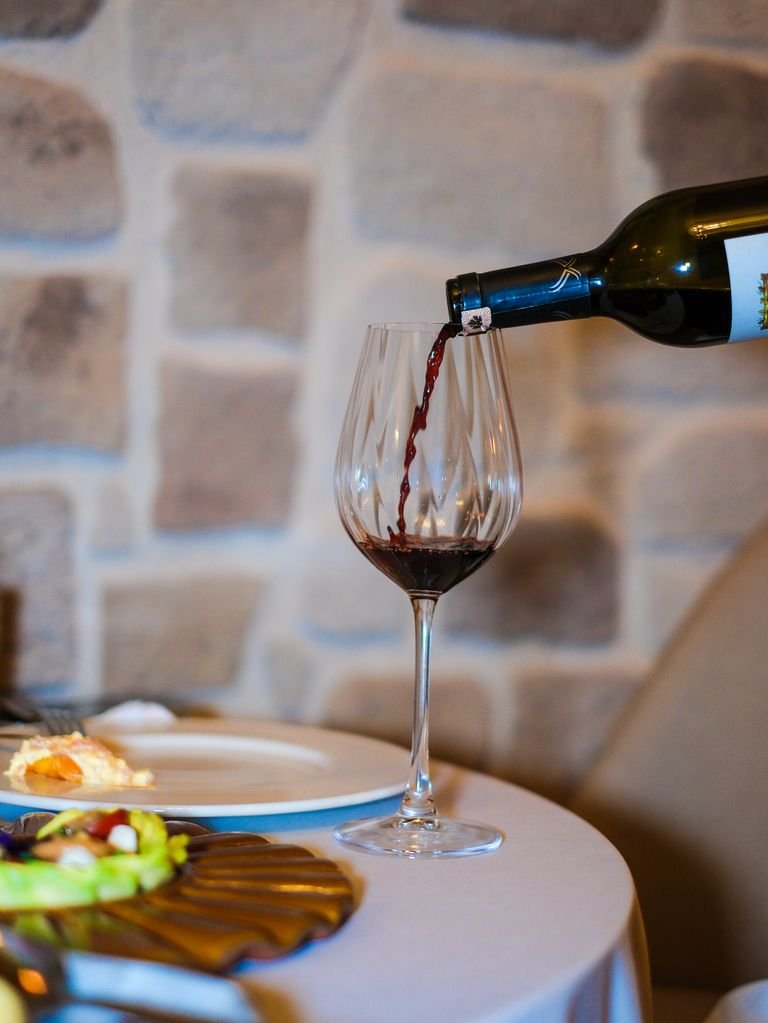
A skilled sommelier working with a vegan tasting menu will often lean toward wines with more acidity and minerality to stand in for the richness that butter or cream would normally provide. Natural and biodynamic wines show up often on these lists, partly because many small producers already use vegan fining methods, and partly because the flavor profiles tend to complement vegetable-forward cooking well. Don’t be afraid to ask your sommelier what they’re doing differently for a plant-based menu. The good ones love explaining it.
What to Pack for a Vegan Fine Dining Trip
A few small things make these evenings easier, especially if you’re traveling internationally and want to look and feel put together for a reservation you’ve been planning for months.
- A translation card explaining vegan dietary restrictions in the local language
- A compact, wrinkle-resistant outfit appropriate for a dressier restaurant
- A small travel-size stain remover pen for red wine mishaps
- A portable phone charger, since these dinners often run three or more hours
Booking Tips & Etiquette for Vegan Fine Dining
A few things worth knowing before you sit down:
- Book directly when possible. Many starred restaurants take reservations exclusively through their own website rather than third-party platforms, and some release tables in batches at specific times.
- Mention vegan needs at the time of booking, not when you arrive. This gives the kitchen time to prep, especially for a fixed tasting menu.
- Tipping norms vary by country. Service charges are often already built into the bill in parts of Europe, while it’s still customary to tip separately in the US.
- Dress codes are usually smart casual to formal for anything Michelin-recognized. When in doubt, check the restaurant’s website or call ahead.
Frequently Asked Questions
Is fine dining vegan food actually filling and satisfying?
Yes. Well-executed tasting menus, vegan or otherwise, are built to leave you satisfied through variety and technique, not portion size alone. Courses build on each other, and most vegan tasting menus run six to twelve courses.
How do I know if a restaurant’s wine list is actually vegan?
Ask your server or sommelier directly. Most restaurants with a genuinely vegan-conscious kitchen have already vetted their wine list, but you can also check specific labels against a resource like Barnivore if you want full certainty.
Do I need to book vegan fine dining restaurants further in advance than regular ones?
Often yes, especially for Michelin-starred or highly reviewed spots, since there are still fewer fully vegan fine dining restaurants than omnivore ones in most cities. Some book out four to eight weeks ahead for weekend dinners.
What’s the difference between a vegan restaurant and a vegetarian restaurant with vegan options?
A vegan restaurant serves no animal products at all. A vegetarian restaurant excludes meat and fish but may still use dairy, eggs, or honey unless a dish is specifically marked vegan. Always confirm which one you’re booking, especially for special occasions.
Are Buddhist temple cuisine restaurants considered vegan fine dining?
Yes, and they’re some of the oldest examples of it. Shojin ryori in Japan and similar temple traditions in China and Korea have been fully plant-based for centuries, built around technique and seasonality rather than trend.