
This content is reader-supported, which means if you click on some of our links, we may earn a small commission at no additional cost to you.
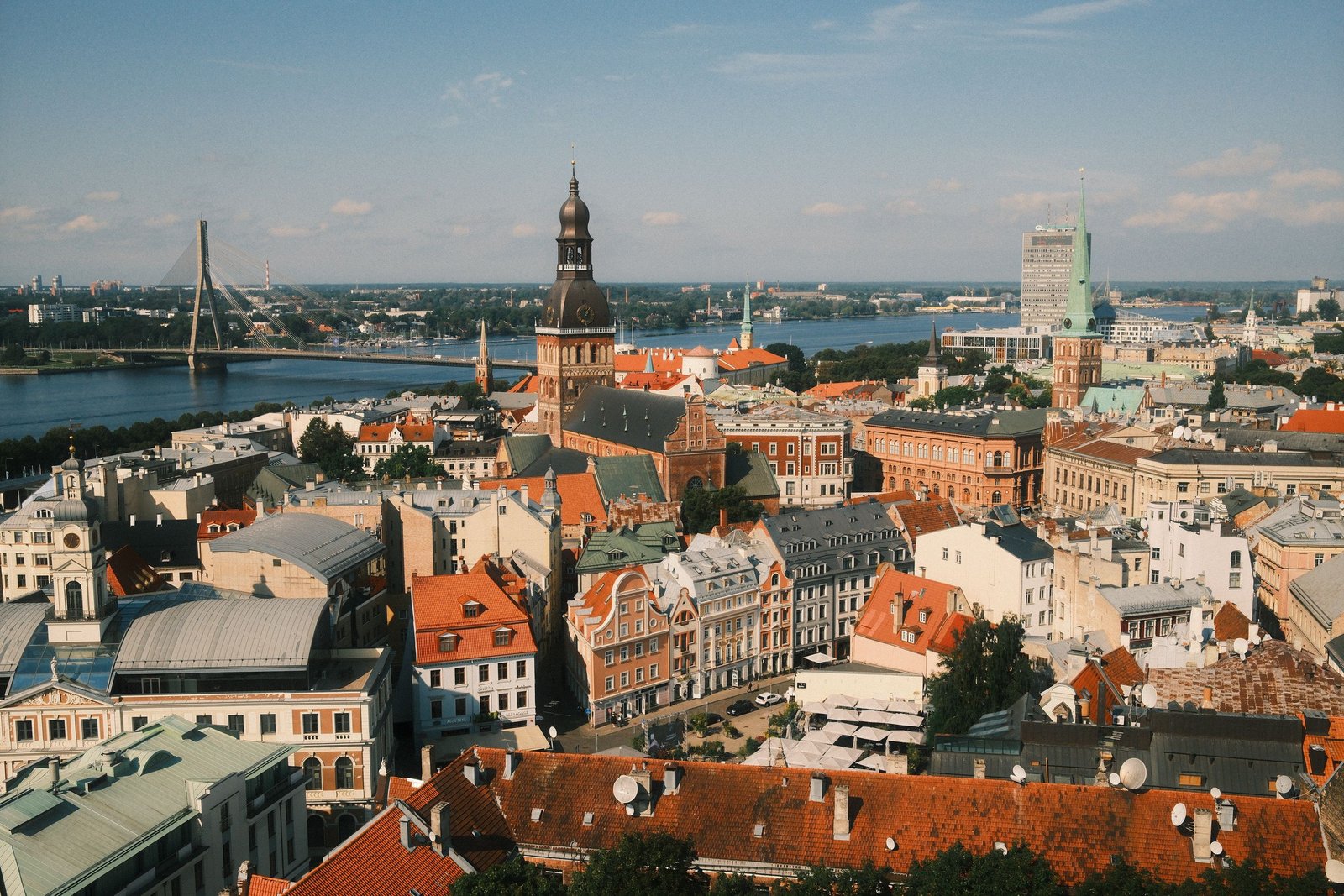
Vegan Eastern Europe travel tends to have a reputation problem. Say the words “Polish food” or “Hungarian cuisine” and most people picture a plate stacked with sausage, pork knuckle, and a side of sour cream. That reputation isn’t entirely wrong, but it’s also not the whole story.
What a lot of travelers miss is that this region has a long tradition of hearty, plant-based cooking baked right into its history. Fasting periods tied to Orthodox and Catholic calendars meant entire cuisines developed dishes with no meat or dairy at all, sometimes for weeks at a time. Add in a deep love of mushrooms, cabbage, beets, and legumes, and you end up with more naturally vegan options than most people expect walking in.
This guide walks through what to actually eat, which cities make life easiest, and how to handle the trickier moments, so you can spend less time stressing over menus and more time enjoying the trip.
Is Vegan Eastern Europe Travel Actually Realistic?
Short answer: yes. And it’s gotten a lot easier in the last few years. Cities like Warsaw, Krakow, Prague, and Budapest all have growing vegan restaurant scenes, dedicated grocery sections, and an active HappyCow community. Smaller towns take more effort, but between fasting-inspired dishes, produce markets, and accidentally vegan snacks, you’re rarely stuck.
The bigger challenge isn’t finding food, it’s communication. Menus aren’t always translated, and staff outside major tourist zones may not be used to dietary requests. A little prep goes a long way here, and we’ll cover exactly how to handle it further down.
What to Eat: Naturally Vegan Dishes by Country
Instead of chasing down specific restaurants that might close or change hands, it helps to know the dishes themselves. Learn these, and you can order confidently almost anywhere.
Poland
Poland is genuinely one of the friendlier countries on this list. Pierogi, the dumplings Poland is famous for, come in mushroom, potato, or sauerkraut versions that are traditionally dairy-free or easy to order that way. Bigos, a slow-cooked cabbage stew, can often be made or found without meat. Look out for placki ziemniaczane (potato pancakes) served plain, and grab fresh rye bread from any bakery.
Czech Republic
Czech food leans heavy, but mushroom-based dishes are everywhere, especially in the fall. Bramboráky (potato pancakes) and knedlíky (bread dumplings, check for egg) show up on most menus. Prague in particular has a strong vegan restaurant scene that’s been building for over a decade, making it one of the easier Eastern European capitals to navigate.
Hungary
Hungarian food is built on paprika, peppers, and beans, which works in your favor. Lecsó, a stewed pepper and tomato dish, is naturally vegan in its base form. Bean-based stews (bableves without the smoked meat) and stuffed cabbage made with rice and vegetables instead of meat are worth seeking out. Budapest has an active vegan scene concentrated around the Jewish Quarter.
Romania & Bulgaria
This is where fasting traditions really shine. Zacuscă, a roasted vegetable and eggplant spread, and fasole bătută, a smashed bean dip, are both staples that show up constantly, especially around Orthodox fasting periods. In Bulgaria, look for lyutenitsa (a similar roasted pepper spread) and shopska salad, made with tomatoes, cucumbers, peppers, and a grated cheese topping you can simply ask to leave off.
Slovakia
Smaller and less discussed than its neighbors, but Bratislava has more vegan options than its size suggests. Halušky, the country’s signature dumpling dish, traditionally comes with sheep cheese and bacon bits, but plant-based versions using sauerkraut are increasingly common in cities.
Grocery Stores and Markets Are Your Best Friend

One of the most underrated moves for vegan Eastern Europe travel is simply popping into a grocery store. Chains like Biedronka and Żabka in Poland, Billa across the Czech Republic and Slovakia, and Auchan in Hungary and Romania all stock accidentally vegan snacks: fruit bars, certain chocolate brands, roasted chickpeas, and pickled vegetables.
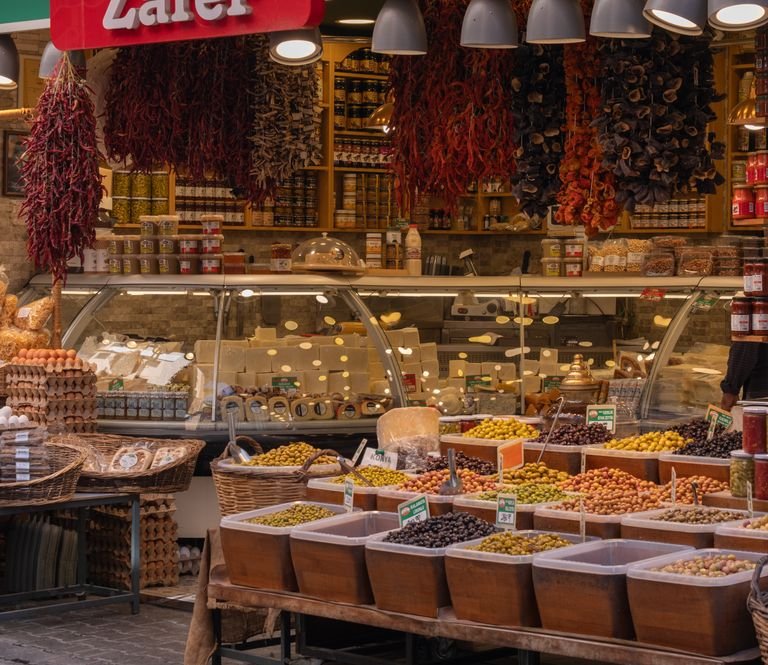
Local farmers markets are just as useful. Root vegetables, mushrooms, cabbage, berries, and fresh bread are cheap, plentiful, and require zero conversation about dietary restrictions. If you’re staying somewhere with a kitchen or even just a kettle, this is an easy way to fill gaps between restaurant meals.
Handling the Language Barrier
This is genuinely the hardest part of eating vegan in this region, more than availability of food itself. A few things that make a real difference:
- Save the word for “vegan” in each local language before you go, along with a short phrase explaining no meat, dairy, eggs, or honey.
- Use a translation app to photograph menus in restaurants that don’t have English options.
- Ask about broth. Soups here are often built on meat or bone stock even when the rest of the dish looks plant-based.
- Watch for lard, a very common hidden ingredient in baked goods and even some vegetable dishes.
Best Cities to Start With
If this is your first trip to the region, Prague, Krakow, Warsaw, and Budapest are the easiest entry points. Each has an established vegan and vegetarian dining scene, active HappyCow listings, and enough English signage to make ordering simple. From there, branching into smaller cities gets easier once you’re comfortable with the core dishes and a few key phrases.
If Eastern Europe is a part of a larger European adventure, the best vegan-friendly cities in Europe guide offers additional cities to add to your list.
What to Pack
A few small items make eating vegan on the road through this region noticeably smoother, especially once you’re outside major cities.
- Reusable snack bags for market finds – These BeeGreen reusable gocery bags are both foldable and washable
- A compact translation device or offline translation app download
- A collapsible container for leftovers or market produce – This 3-pack gives you everything you need
- A printed or saved allergy/dietary card in Polish, Czech, Hungarian, and Romanian – these cards give you all of the vegan translations you need in any language
- Protein bars or shelf-stable snacks for train travel between cities
Tours and Guided Experiences
If you’d rather skip the guesswork entirely, a guided food tour in Krakow, Prague, or Budapest can be a great way to get oriented fast and pick up dishes you might not find on your own.
Here are some vegan Eastern Europe food tours:
- Polish dumplings with liqueur tasting
- Vegan Hungarian Food Tour
- Prague Eat, Sip and Make Friends on Food Tour
Frequently Asked Questions
Is it hard to eat vegan in Eastern Europe?
It’s more manageable than most people expect. Major cities have dedicated vegan restaurants and grocery sections, and many traditional dishes are naturally plant-based thanks to regional fasting traditions. Smaller towns take more planning, but you won’t go hungry.
Which Eastern European country is easiest for vegans?
Poland and the Czech Republic tend to be the easiest, with well-established vegan restaurant scenes in Warsaw, Krakow, and Prague, plus widely available plant-based versions of traditional dishes like pierogi and mushroom-based meals.
What traditional dishes are naturally vegan in this region?
Zacuscă and fasole bătută in Romania, lyutenitsa in Bulgaria, lecsó in Hungary, and mushroom or potato pierogi in Poland are all naturally plant-based or very easy to order without animal products.
Do I need to know the local language to eat vegan in Eastern Europe?
It helps, but it’s not required. Learning the word for “vegan” and a short explanatory phrase in each country, along with a translation app for menus, covers most situations you’ll run into.
Are grocery stores useful for vegan travelers in Eastern Europe?
Very. Chains like Biedronka, Żabka, and Billa carry accidentally vegan snacks, produce, and pickled goods, making them a reliable backup when restaurant options are limited, especially outside major cities.