

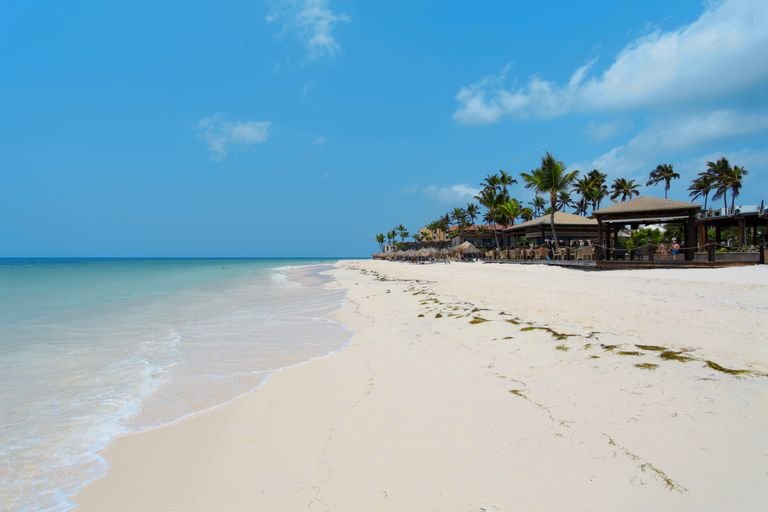
You booked the all-inclusive. Turquoise water, a swim-up bar, a week with no responsibilities. Then the panic sets in: am I going to be able to eat? Speaking from experience, I wish I knew this before my most recent all-inclusive experience. I’ll tell you which resort gave us trouble below.
I get this question from vegan travelers more than almost any other. All-inclusive resorts have a reputation for being a vegan minefield, and a few years ago that reputation was earned. But the resort industry has changed a lot, and with the right approach, a Caribbean all-inclusive can actually be one of the easier vegan trips you’ll ever take.
This guide walks through the best wats to stay vegan in the Caribean, from what to do before you even book to what to say to the chef on night one.
More of a cruise person? I have you covered with which cruise lines offer the best vegan options.
Why Travel as a vegan in the Caribbean Feels Trickier Than It Is
Caribbean cuisine leans heavily on stews, curries, and rice dishes that are naturally plant-based in structure, but the finishing touches trip people up. Chicken stock in the rice and peas. A fish sauce base in a “vegetable” curry. Butter on everything that hits a grill. None of it is malicious, it’s just how the cuisine has traditionally been built.
Then you add the all-inclusive format on top of that. Buffets are designed for volume and speed, not customization, and a lot of resorts assume “vegetarian” and “vegan” mean the same thing. The good news: once you understand how these kitchens actually operate, you can work with the system instead of against it.
Before you go, read up on the 10 most common mistakes that vegans make while travelling.
How All-Inclusive Resorts Actually Handle Vegan Requests
The Buffet Isn’t the Enemy
Buffets get a bad reputation, but they’re often your best friend as a vegan traveler because you can see exactly what you’re getting before it’s on your plate. Look for the vegetable stations, the rice and grain bars, the fruit spreads, and the made-to-order stir-fry or pasta stations where you can request no animal products while you watch it get cooked.
The trap is the mixed dishes. A vegetable curry that looks perfect might have a ghee base. When in doubt, ask a staff member rather than guessing.
Talking to the Kitchen Before You Arrive
This is the single biggest lever you have, and most travelers skip it. Most major resort chains let you flag dietary preferences during booking or through a pre-arrival email to guest services. When you do this, the kitchen has time to prep actual vegan dishes instead of scrambling to pull dairy out of something on the spot.
A short, direct message works best: mention that you eat fully plant-based, list one or two things you can’t have (dairy, eggs, honey, gelatin), and ask if the culinary team can prepare vegan options for your stay. Resorts that deal with dietary requests regularly will often loop in the executive chef directly.
Vegan-Friendly All-Inclusive Chains Worth Knowing
You don’t need a fully vegan resort to eat well. A handful of major all-inclusive brands have specifically invested in plant-based programs across their properties, which makes them a safer bet if you’re booking blind.
Sandals and Beaches Resorts
Sandals operates numerous adults-only, all-inclusive properties across Jamaica, Antigua, Barbados, Grenada, and Saint Lucia, and vegan requests are handled at the restaurant level. Staff can point you toward existing vegan dishes or have the kitchen build something off-menu. It’s worth noting that experiences vary property to property, so a pre-arrival note to guest services still helps.
Club Med
Club Med worked with a vegan chef to develop plant-based menu items across its Caribbean and Mexico properties, including dishes designed to be flavorful rather than just “safe.” Not every property carries the full menu, so confirm with your specific resort ahead of time.
Iberostar, RIU, and the Excellence Collection
Several properties in the Dominican Republic and Mexican Caribbean under Iberostar, Riu, and the Excellence Collection have added labeled vegan and vegetarian buffet sections and trained staff to flag ingredients. The adults-only properties in particular tend to have more culinary flexibility since they run fewer high-volume family buffets.
Vegan All-Inclusive Workaround Strategies
1. Request Vegan Meals at Booking, Not Check-In
Booking confirmation emails and pre-arrival questionnaires usually have a dietary field. Fill it out even if it feels redundant. This is what gets your name on a list the kitchen actually sees before you land.
2. Learn the Local Substitution Language
“Ital” food in Jamaica is a Rastafari-rooted, naturally vegan style of cooking, no salt, no processed ingredients, no animal products. If you see it on a menu or find it off-property, it’s usually a safe and delicious bet. Knowing terms like this helps you spot options that aren’t labeled “vegan” but absolutely are.
3. Build a Plate, Don’t Order a Dish
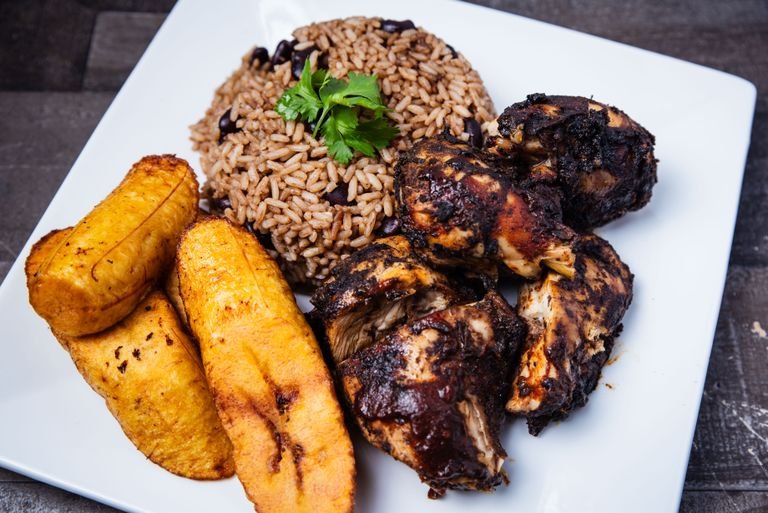
At a buffet, you have more control building your own plate from individual components (rice, beans, roasted vegetables, plantains) than trying to modify a pre-made dish. Ask a staff member which stations are safest if you’re unsure.
4. Pack Smart Backup Snacks
Even at the most accommodating resort, there will be a slow morning or a late night where the easiest option is a granola bar or trail mix from your bag. This isn’t a failure of the resort, it’s just travel logistics.
5. Ask If There’s a “Vegan Binder” or Chef’s List
Many resorts that deal with dietary requests regularly keep an internal reference sheet or rotating vegan menu that isn’t printed for general guests. Asking your server or a manager directly, “Is there a vegan menu I can see?” sometimes unlocks options that weren’t obvious from the regular menu.
Island-by-Island Notes for Vegan Travelers
Jamaica: Home turf for Ital cooking, plus multiple Sandals and Beaches properties with dedicated dietary support. Negril in particular has a strong plant-based food culture even outside the resorts.
Dominican Republic: Punta Cana has some of the highest concentration of all-inclusive resorts with labeled vegan buffet sections, especially among adults-only properties. (I can confirm that, as of Feb. ’26, Riu Republica was not terribly great with the vegan options)
Saint Lucia: Home to eco-luxury properties with dedicated plant-based tasting menus, a good option if food quality matters as much as food availability.
Aruba: Several boutique, all-inclusive beachfront resorts here have built dedicated vegan and vegetarian menus into their main restaurants rather than treating it as a special request.
Mexican Caribbean (Cancun, Riviera Maya): Technically not the islands, but frequently grouped into Caribbean vacation searches. This stretch of coast has some of the most vegan-forward all-inclusive properties in the region, including dedicated vegan suites at a few resorts.
Vegan-Friendliness by All-Inclusive Chain
| All-Inclusive Chain | Vegan Menu Approach | Best For | Advance Request Recommended |
| Sandals & Beaches | Off-menu requests handled per restaurant | Adults-only luxury, multiple islands | Yes |
| Club Med | Chef-developed vegan dishes at select properties | Activity-heavy trips, families and couples | Yes, confirm property |
| Iberostar / Excellence Collection | Labeled vegan buffet sections | Dominican Republic and Mexican Caribbean stays | Helpful, not required |
| RIU | Vegan options available on request | Budget-friendly all-inclusive | Yes |
| Boutique eco-resorts (St. Lucia, Aruba) | Dedicated vegan restaurant or tasting menu | Food-focused travelers, special occasions | Recommended for reservations |
Hidden Ingredients to Watch For
Even with a genuinely accommodating kitchen, a few ingredients slip through more often than you’d expect. Knowing these ahead of time makes it much easier to ask the right question instead of guessing after the fact.
Stocks and broths. Rice and peas, soups, and a lot of stewed dishes start with a chicken or fish stock base, even when the finished dish looks entirely plant-based. Ask specifically about the base, not just the visible ingredients.
Butter and ghee. Grilled vegetables, breads, and roasted plantains are often finished with butter for flavor and shine. This is one of the easiest things for a kitchen to swap on request if you ask before the dish is plated.
Honey. It shows up in dressings, glazes on roasted vegetables, and some cocktail mixers. If a dressing tastes a little sweet and you’re not sure why, it’s worth a quick question.
Fish sauce and shrimp paste. More common in fusion dishes at resorts with an Asian-inspired restaurant, and easy to miss since the dish itself might be vegetable-forward.
Gelatin in desserts. Mousses, some puddings, and gummy-textured desserts can contain gelatin. Fruit-based desserts and sorbets are usually a safer bet if you’re not sure.
None of this is meant to make you paranoid about every plate. It’s just a short list that helps you ask sharper, faster questions so you spend less time deciphering menus and more time actually relaxing.
Making the Most of Excursion Days
Most Caribbean all-inclusive itineraries include at least one day off property, whether that’s a snorkeling trip, a waterfall hike, or a walk through a nearby town. These days are a great opportunity to eat somewhere fully vegan or vegan-owned instead of working around a resort menu.
Before you go, do a quick search on HappyCow for the area you’ll be visiting. Coastal towns near major resort zones increasingly have small, independent spots serving Ital food, fresh juice, or fully plant-based plates, and it’s a nice contrast to a week of resort dining. Just build in a little extra time, since these spots often keep more relaxed hours than a resort restaurant.
Traveling With Non-Vegan Companions
If you’re heading to an all-inclusive with people who aren’t vegan, the good news is these resorts are built for mixed groups. Multiple restaurants and a massive buffet mean nobody has to compromise on their vacation. For more on navigating group dynamics gracefully, this guide on traveling with non-vegan companions covers the conversation side of things.
What to Pack for a Vegan Caribbean All-Inclusive Trip
A little prep in your suitcase goes a long way when you’re eating vegan at a resort. Here’s what’s worth bringing, with room to drop in your own product picks.
Travel-friendly protein snacks (jerky, protein bars, roasted chickpeas) – I love these IQ Bars.
Reusable travel utensil set, handy for excursion days when you’re eating on the go – This bamboo set is great. Literally everything you could need.
A collapsible cooler bag or insulated pouch, useful for carrying fruit or leftovers from the buffet back to your room – This set is the perfect size.
Vegan sunscreen and reef-safe options, since a lot of standard sunscreens contain animal-derived ingredients – I personally use Blue Lizard
A day trip to a vegan-friendly local spot, booked ahead so you’re not scrambling on excursion day <!– VIATOR OR GET YOUR GUIDE AFFILIATE LINK PLACEHOLDER: insert tour/excursion rec here –>
Frequently Asked Questions
Are all-inclusive resorts actually vegan-friendly?
Many are, especially chains that have invested in dietary training and labeled buffet sections. The key is choosing a resort with a track record of accommodating vegan guests and reaching out before you arrive so the kitchen has time to prepare.
Do I need to bring my own food to an all-inclusive resort?
Not usually, but packing a few backup snacks is smart for slow mornings or long travel days. Most resorts with dietary programs can keep you fed for the full trip without extra effort on your part.
What’s the best way to request vegan meals at a resort?
Flag your dietary preference during booking, then follow up with a short pre-arrival email to guest services. On property, speak directly with restaurant staff or the executive chef when possible.
Which Caribbean islands are easiest for vegan all-inclusive travel?
Jamaica and the Dominican Republic tend to have the widest range of vegan-accommodating all-inclusive resorts, while Saint Lucia and Aruba offer smaller boutique properties with dedicated plant-based menus.
Is Caribbean food naturally vegan-friendly?
A lot of it is close. Rice, beans, plantains, and vegetable stews are staples, but stocks, butter, and fish-based sauces are common finishing touches, so it’s worth asking about preparation rather than assuming.