
This content is reader-supported, which means if you click on some of our links, we may earn a small commission at no additional cost to you.
Everyone loves London, Berlin, and Bangkok for a reason. The vegan food in those cities is genuinely incredible, and if you haven’t been, they deserve a spot on your list. But if you’ve already checked the usual suspects off your travel bucket list and you’re craving something quieter, less Instagrammed, and a little more surprising, here are 5 off-the-beaten-path vegan travel destinations for you.
The good news is that plant-forward eating doesn’t require a big, famous food city. Some of the best vegan meals happen in places that never set out to be vegan destinations at all, they just happen to have cooking traditions built around vegetables, legumes, and grains long before “plant-based” was a marketing term. Here are five spots that fit that description perfectly.
Why Off-the-Beaten-Path Vegan Travel Destinations Are Worth It
Popular vegan cities tend to have one thing in common: a built-out infrastructure of dedicated vegan restaurants, juice bars, and menus in English. That’s convenient, but it also means higher prices, longer lines, and a food scene that’s been shaped around what tourists expect.
Lesser-visited destinations flip that. You’re not going to find a vegan menu at every corner, but you’ll often find that the local cuisine was already halfway there, built on beans, grains, seasonal produce, and centuries of cooking around whatever the land provided. It just takes a little more research and a little more openness to ask questions at the table. That effort tends to pay off in the kind of meal you still think about years later.
If you want a broader starting point before narrowing down to a specific region, our guide to the best vegan travel destinations in the world by region is a good companion read alongside this list.
1. Tbilisi, Georgia

Georgian food has a reputation for cheese-heavy khachapuri and meat-forward khinkali, so it surprises a lot of travelers to learn how naturally plant-based the cuisine actually is underneath that reputation. Lobio (a slow-simmered bean stew), pkhali (walnut-and-vegetable pâté rolled into little balls), and ajapsandali (an eggplant and pepper ragout) are all traditionally vegan in Georgia, and you’ll find versions of them on nearly every menu in the city, from casual family-run spots to upscale restaurants.
Tbilisi also has a small but committed vegan restaurant scene that’s grown steadily over the past several years, offering everything from raw plates to hearty comfort food. Between the naturally vegan classics and the dedicated vegan spots, you can eat extremely well here without much effort, and at a fraction of what you’d pay in Western Europe.
What to try: Ask for pkhali as a starter at any traditional restaurant, it’s almost always vegan and gives you a real taste of Georgian cooking.
Best time to visit: Late spring (May) or early fall (September) for mild weather and fewer crowds.
2. Ljubljana, Slovenia

Slovenia’s capital is small enough to walk end to end in an afternoon, which makes it an easy add-on to a longer Central Europe trip. It’s also become a genuinely solid city for plant-based eating, with a cluster of fully vegan restaurants tucked into the Old Town’s cobblestone streets, several of which lean into modern, seasonal Slovenian cooking rather than generic international vegan fare.
What makes Ljubljana stand out isn’t sheer volume of options (it’s a small city, after all), it’s quality. The vegan spots here tend to be thoughtful, chef-driven, and proud of using regional ingredients, so you get a real sense of place with your meal instead of a plate that could have come from anywhere.
What to try: A seasonal tasting menu at one of the city’s sit-down vegan restaurants,reservations are recommended, especially on weekends.
Best time to visit: June through September, when outdoor riverside seating is in full swing.
3. Oaxaca, Mexico
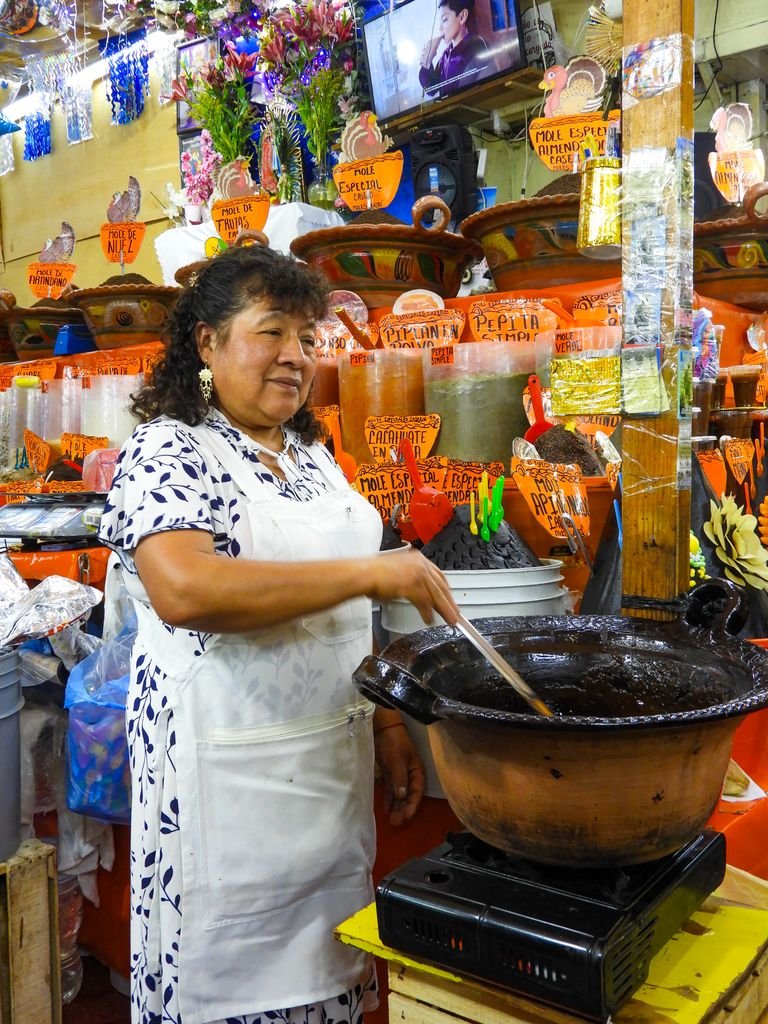
Oaxaca gets attention from foodies for its seven varieties of mole, but the region’s culinary roots go back to a pre-Hispanic diet built around corn, beans, squash, chiles, and wild greens. That plant-forward foundation makes Oaxaca one of the more rewarding places in Mexico to eat vegan, once you know where to look.
The catch is that traditional mole and many street-food staples often include lard or chicken stock, so you can’t assume a vegetable-topped dish is automatically vegan. The upside is that Oaxaca City now has a small but excellent group of vegan restaurants reworking classic dishes like mole negro, enfrijoladas, and even chile en nogada using entirely plant-based ingredients, so you don’t have to give up the flavors that make the region famous.
What to try: Vegan mole negro, if you can find a restaurant serving it. It’s rich, complex, and worth planning a meal around.
Best time to visit: October through April, during the dry season and outside the summer heat.
4. Kotor, Montenegro

Montenegro isn’t an easy country for vegans overall. Traditional cuisine leans heavily on grilled meat, cured ham, and dairy, and in mountain villages your options can get slim. But the coastal towns, especially Kotor, have adapted quickly to international tourism, and you’ll now find restaurants with clearly marked vegan sections on the menu, something that simply didn’t exist here a decade ago.
Kotor’s walkable Old Town, dramatic fjord-like bay, and hiking trails up to the fortress walls make it worth the trip on its own merits, and the fact that you can now eat well as a vegan is a genuinely recent development worth taking advantage of. Just don’t expect the same density of options you’d find in Ljubljana or Tbilisi. A little planning goes a long way here.
What to try: Resto Bar Taraca, a riverside restaurant just outside the Old Town walls has built a real reputation for its dedicated vegan menu, including vegan versions of local comfort food. Search current listings before you go, since Kotor’s dining scene is still developing quickly.
Best time to visit: May, June, or September, to skip peak cruise-ship season along the bay.
5. Ella, Sri Lanka
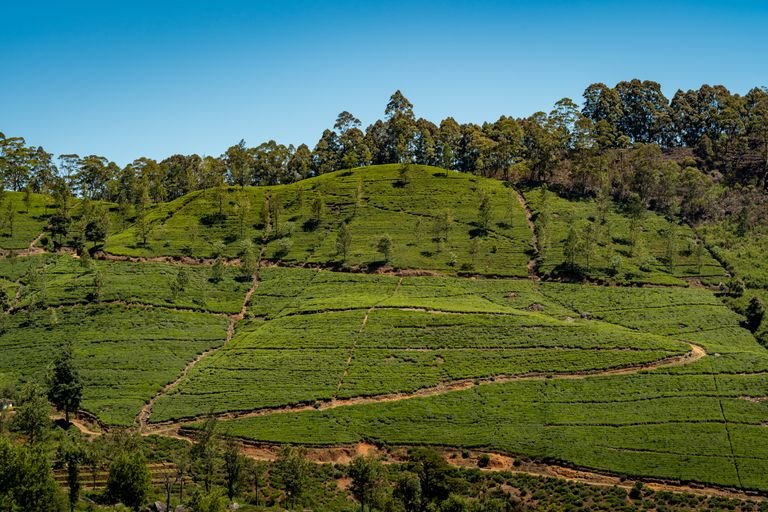
Sri Lankan cuisine is one of the easiest in Asia for vegans, and Ella, the small hill-country town best known for tea plantations, misty mountain views, and the Nine Arches Bridge, might be the easiest place in the country to eat well. Rice and curry is the backbone of the local diet, and most versions are made with coconut milk rather than dairy, so a huge portion of what’s already on the menu is naturally vegan or easy to adapt.
Because Ella draws a steady stream of backpackers and long-term travelers, cafes here are used to vegan requests and often mark dishes clearly. Between the curry spreads, hoppers, and fresh tropical fruit, plus the fact that this is genuinely one of the most scenic parts of the country, Ella earns its spot on this list twice over.
What to try: A rice and curry set with four or five different vegetable curries. It’s the best way to sample a wide range of flavors in one sitting.
Best time to visit: January through March for the driest, clearest weather in the hill country.
Quick Comparison: Which Destination Fits Your Trip
| Destination | Vegan Scene | Best For | Budget Level |
| Tbilisi, Georgia | Naturally vegan traditional dishes + growing vegan spots | First-timers wanting easy wins | Budget |
| Ljubljana, Slovenia | Small but high-quality, chef-driven vegan restaurants | Foodies who want a splurge meal | Mid-range |
| Oaxaca, Mexico | Rich plant-based roots, requires some navigation | Travelers who love bold, complex flavors | Budget to mid-range |
| Kotor, Montenegro | Limited but improving quickly | Combining beach/mountain scenery with easy meals | Mid-range |
| Ella, Sri Lanka | Naturally vegan-friendly, widely accommodating | Backpackers and nature lovers | Budget |
What to Pack for Off-the-Beaten-Path Vegan Travel
Smaller towns and less touristy destinations mean fewer backup options if you can’t find something to eat. A little prep goes a long way.
- Travel snack stash: I never leave home without protein bars, trail mix, and peanut butter
- Reusable food container or collapsible bowl: This collapsible bowl is a great size
- Water purification bottle or tablets: I took LifeStraw with me to Peru. If you would rather have tablets, these are great.
- Translation app or offline dietary card in the local language: You can’t go wrong with V Cards
- Electrolyte packets for hot climates (Sri Lanka, Oaxaca): I really like Ultima
For a longer packing list built specifically for vegan travelers, see our full vegan travel accessories guide.
Book the Experience, Not Just the Flight
A guided food tour or cooking class is one of the best ways to get oriented in a new destination fast, especially somewhere without an obvious vegan restaurant scene. Consider booking:
- A Tbilisi food and market walking tour
- A Ljubljana Old Town walking tour
- An Oaxaca vegitarian cooking class
- A Kotor Bay boat tour or fortress hike
- An Ella tea plantation and Nine Arches Bridge tour: [Angie to add GetYourGuide/Viator link]
For more ideas on vetted, worthwhile food tours, check our post on <!– INTERNAL LINK: Unique Vegan Food Tours That Are Actually Worth It — https://vegantraveladventures.com/unique-vegan-food-tours-worth-it/ –> vegan food tours that are actually worth it.
Tips for Eating Vegan Somewhere Without a Big Vegan Scene
A few habits make a real difference in destinations where “vegan” isn’t a common word yet:
Learn Key Phrases Before You Go
Knowing how to say “no meat, no dairy, no eggs” in the local language will get you further than pointing at a menu. Write it down or save it in a translation app so you can show it if pronunciation gets tricky.
Lean on Naturally Plant-Based Dishes
Every one of the destinations on this list has traditional dishes that are vegan by default, not because a restaurant labeled them that way, but because of the ingredients available historically. Ask locals or your accommodation host what those dishes are before you arrive.
Visit Local Markets
Markets are a reliable source of fresh fruit, vegetables, nuts, and bread, and they give you a backup plan if a sit-down meal doesn’t pan out. They’re also just a great way to spend an hour.
Book Accommodation with a Kitchen
Even a small kitchenette gives you the option to cook a simple meal if you strike out at restaurants for a day. This matters most in smaller towns like Kotor, where options can be limited outside peak season.
If food allergies are part of your travel considerations too, our guide to vegan travel with food allergies covers extra precautions worth taking.
Frequently Asked Questions
What is the easiest off-the-beaten-path destination for a first-time vegan traveler?
Ella, Sri Lanka is probably the most forgiving option on this list. Rice and curry is naturally vegan in most cases, coconut milk stands in for dairy throughout the cuisine, and the town is used to backpackers asking about dietary needs.
Is Georgian food actually vegan-friendly, given how meat-heavy it seems?
Yes, more than most people expect. While Georgia is known for meat dishes, staples like lobio, pkhali, and ajapsandali are traditionally vegan, and Tbilisi has a small but growing number of dedicated vegan restaurants as well.
Do I need to speak the local language to eat vegan in these destinations?
It helps, but it’s not required. Learning a few key phrases (or saving them in a translation app) for “no meat, no dairy, no eggs” will get you through most situations, especially in tourist-adjacent towns like Ella, Kotor, and Ljubljana.
Which of these destinations has the most affordable vegan food?
Tbilisi and Ella both offer excellent value, with hearty, naturally vegan meals often costing just a few dollars. Ljubljana and Kotor run closer to Western European prices.
When is the best time to visit these off-the-beaten-path destinations?
It varies by region: aim for May–September in Tbilisi and Ljubljana, October–April in Oaxaca, May–June or September in Kotor, and January–March in Ella for the best weather in each spot.