

This content is reader-supported, which means if you click on some of our links, we may earn a small commission at no additional cost to you.
Vegan Travel in Spain
Traveling through Spain as a vegan can be a challenge because the local culture revolves around ham and seafood. However, you can still enjoy incredible plant-based meals if you know where to look. Here are 15 essential tips for vegan travel in Spain to help you find the best tapas and local ingredients while avoiding common pitfalls. These practical suggestions will make your next trip much easier and more delicious.
1. Learn Local Terms for Animal Products
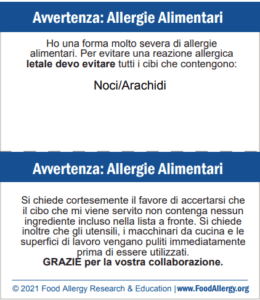
Knowing exactly what you are ordering makes a huge difference in Spain, where menus often hide animal ingredients in plain sight. It is easy to accidentally get a salad topped with tuna or a vegetable dish cooked in lard if you don’t use the right language.
You should specifically watch out for the word manteca, which refers to lard and pops up in many traditional pastries and savory snacks. If you are checking labels or talking to servers, ask if a dish contains jamón, which is ham, or caldo, the common base for many soups that is almost always made from meat stock.
I always carry a small card that mentions I don’t eat meat, fish, or dairy to show to waiters. It sounds simple, but confirming that a dish is sin productos animales helps clear up any confusion before you take that first bite.
2. Download Offline Vegan Restaurant Maps
I once spent an hour wandering through a quiet neighborhood in Granada with a dead phone battery, desperately needing coffee and searching for a place that served soy milk. Save yourself the headache by grabbing your maps before you even board the plane.
| Feature | Online Maps | Offline Maps |
| Data Usage | High | None |
| Battery Drain | Fast | Minimal |
| Reliability | Spotty | Always works |
Apps like HappyCow allow you to save specific cities for offline use. You won’t have to worry about finding a local SIM card or hunting for public Wi-Fi when you are hungry.
Just pin your favorite vegan spots to a custom Google Map and download the area to your phone. It keeps your itinerary accessible even if your signal drops while you are hiking in the mountains or exploring narrow city alleys.
3. Look for Naturally Vegan Tapas
You don’t need a specialized vegan restaurant to eat well in Spain because many traditional tapas are already plant-based by default. Look for small plates like patatas bravas, pimientos de padrón, or garlic-soaked mushrooms to fill your plate without any extra effort.
Most local bars prepare these dishes using olive oil rather than butter or meat fats, which makes them safe bets for your diet. Just double check that they didn’t add bits of ham or chorizo to the final garnish, as those are common additions in some regions.
4. Book Hotels with Plant Based Breakfasts

Finding a hotel with a solid vegan breakfast saves you from hunting for food at 7:00 AM. Many Spanish hotels default to meat-heavy buffets, so checking the menu ahead of time keeps your mornings stress-free.
You should prioritize places that offer fresh fruit and plant-based milks. It makes a huge difference to start your day with fuel you actually want to eat.
- Check the hotel website for a dedicated vegan or vegetarian breakfast menu.
- Message the front desk on Instagram or email to ask if they stock soy or oat milk.
- Look for smaller boutique hotels, as they are often more willing to accommodate custom requests.
- Use filter tools on booking sites to search for properties that mention healthy or plant-forward dining options.
Taking ten minutes to verify these details will prevent a lot of morning frustration while you are traveling.
5. Visit Traditional Produce Markets Early
If you want the best haul of fruits and veggies, you really need to get to the local markets by nine in the morning. Most vendors start packing up their stalls around two in the afternoon, so sleeping in will just leave you with the picked-over scraps.
Look for signs that say Mercado Municipal in any town you visit. These spots are usually packed with seasonal gems like heirloom tomatoes, sweet cherries, and fresh almonds that you won’t find at a standard grocery store.
I always suggest bringing your own reusable bags since many stalls charge a few cents for plastic ones. Don’t be afraid to ask the vendors which items are grown locally, as they usually love talking about their produce.
It’s a fantastic way to stock up on healthy snacks for a day trip or a long train ride. You’ll save a ton of money compared to eating out for every single meal, and the quality is honestly unbeatable.
6. Carry High Protein Travel Snacks
Finding plant-based protein in smaller Spanish towns can be tricky when you are on the move. Stashing a few reliable snacks in your bag ensures you don’t end up hangry during long bus rides or train delays.
I always keep these items packed for those moments when a vegan menu option feels miles away. They take up very little space and save me from settling for plain bread.
- Roasted chickpeas provide a satisfying crunch and pack a solid punch of protein.
- Individual packets of almond butter are easy to spread on fruit or bread for an instant boost.
- Dried edamame is lightweight and keeps well in any climate without making a mess.
- Protein bars made with pea or rice protein are life savers when you are stuck at a station.
Focus on bringing items that won’t melt or squash inside your backpack. You will thank yourself when you have a quick snack ready during a three-hour wait in the countryside.
7. Explore Modern Vegan Meat Substitutes
You might notice many local menus now feature plant-based burgers or sausages that mimic the texture of traditional pork. These modern substitutes are great if you are craving a familiar meal after a long day of sightseeing, but they often lack the unique character of local Spanish ingredients.
I suggest you skip the processed mock meats and head straight for the heura, which is a soy-based protein developed right here in Spain. It has a much better texture than imported alternatives and works perfectly in traditional dishes like paella or spiced stews.
While those generic burger patties might be easy to find, they don’t really give you a taste of the culture. Stick to the local stuff if you want to eat well, as you will get a much more authentic flavor profile that fits the regional cooking style.
8. Use Apps to Find Nearby Options

Finding plant-based food in Spain can feel tricky if you only rely on wandering around hungry. Many traditional spots focus heavily on ham and cheese, so you need a digital head start to find the good stuff.
I always keep HappyCow open on my phone whenever I arrive in a new city. It shows you exactly which cafes and restaurants offer vegan meals nearby, including user photos and current reviews.
You should also download Vanilla Bean for a secondary opinion if you’re in a larger city like Madrid or Barcelona. These apps save you from walking into a tapas bar only to realize your only option is a bowl of plain olives.
9. Join Local Vegan Social Media Groups
| Resource | Best For |
| Facebook Groups | Community advice |
| HappyCow App | Quick location searches |
You might be struggling to find a solid plant-based tapas spot in a quiet village like Ronda. Joining a group like Vegan Spain on Facebook can provide quick answers from locals who know exactly which kitchens use lard or hidden animal products.
These online communities are often more current than static travel blogs. You can post a question about your specific city and usually get a reply within an hour or two.
Don’t be afraid to ask for recommendations for traditional dishes made vegan. Many members are happy to share their favorite secret spots that don’t always appear on global apps.
Just remember to search the group history before posting your own query. You’ll likely find that someone else already asked about vegan friendly dining in that exact neighborhood.
10. Request Custom Vegetable Paella
Most authentic paella joints in Spain will happily prepare a vegetable version for you if you ask in advance. Don’t just show up and hope for the best, because the kitchen usually prepares the base with meat or seafood broth early in the day.
Call the restaurant a day before your reservation to confirm they can cook a fresh batch without animal stocks or fats. It is worth the extra effort to get a high-quality, verdura paella that actually tastes like the real deal. You will find that most chefs are proud to show off their skills with fresh seasonal produce like artichokes, green beans, and roasted peppers.
11. Check Ingredient Labels at Supermarkets
You need to keep a close eye on labels whenever you pick up snacks or pre-made meals at Spanish supermarkets. Even items that seem plant-based can hide sneaky animal ingredients like milk powder or lard.
I usually scan the ingredients list specifically for common non-vegan additives. It makes a huge difference in avoiding accidental animal products during your trip.
- Look for leche (milk), huevo (egg), and miel (honey) in the bolded allergen section.
- Watch out for manteca, which is the Spanish word for lard, in savory crackers or pastries.
- Check for gelatina or colágeno if you are buying sweets or gummy candies.
- Use a translation app to search for suero lácteo, which is just a fancy term for whey powder.
Taking those extra few seconds to read the fine print will save you from a lot of frustration later on.
12. Identify Vegan Friendly Spanish Wine

You might be surprised to learn that not all wine is vegan. Winemakers often use fining agents like egg whites, casein, or gelatin to clarify the liquid before bottling.
When you’re out at a tapas bar in Spain, don’t be afraid to ask the server about their process. Many smaller, organic wineries have shifted away from these animal products entirely.
Look for the V-Label or other official vegan certifications on the bottle if you’re shopping at a local market. These symbols are your best bet for finding a bottle that fits your lifestyle without any guesswork.
If you’re stuck, try searching for the winery’s name on sites like Barnivore while you sit at the table. It’s a quick way to check if a specific producer uses animal-derived ingredients in their fining process.
I usually stick to natural wines or those labeled as unfiltered. These bottles rarely go through the traditional fining process that uses animal proteins, making them a much safer bet for your glass.
13. Plan Meals Around Strict Siesta Hours
Spanish kitchens usually shut down completely between 4:00 PM and 8:00 PM. You’ll find yourself standing outside a locked restaurant if you try to grab a late lunch or an early dinner.
Planning your day around these siesta hours is the only way to avoid going hungry. Keep these timing rules in mind when you head out.
- Eat your main lunch before 3:30 PM to avoid the kitchen closing right as you arrive.
- Stock up on snacks at local markets during the morning because grocery stores often close in the afternoon too.
- Check restaurant hours on Google Maps before walking across town to a vegan spot.
- Prepare for dinner to start late, as most kitchens don’t fire up the stove again until at least 8:00 PM.
Don’t rely on finding food during that mid-afternoon gap. It is much easier to just grab some olives, bread, or fruit from a market earlier in the day.
14. Try Regional Fruit and Nut Specialties
You might be tempted to stick to the standard vegan cafes in big cities, but you will miss out on the incredible local produce if you do. Many travelers just grab whatever is familiar at a supermarket, yet the real magic happens at the local mercados.
I suggest skipping the pre-packaged bars and heading straight to a produce stand for some fresh chirimoya or local almonds. These fruits are grown right in the region, so they taste much better than anything you find in a plastic container. You should definitely look for the roasted marcona almonds that many vendors sell by weight.
Picking up a bag of seasonal figs or local nuts makes for the perfect snack while you are out walking around. It is a much cheaper and healthier way to keep your energy up throughout the day. Trust me, you will appreciate the authentic flavor of the region far more than a processed snack.
15. Stay Near Major City Centers
Finding plant-based food in rural Spanish villages can be a real headache. You might end up stuck eating just bread and olives if you stray too far from the tourist hubs.
Booking your hotel or rental near the city center ensures you have access to a variety of dedicated vegan cafes. You’ll be within walking distance of places that actually prioritize plant-based menus instead of just offering a basic side salad.
Apps like HappyCow work best when you are surrounded by a dense network of restaurants. If you stay in the heart of cities like Madrid or Barcelona, you can walk to three or four vegan spots in under ten minutes. It makes your daily routine much easier when you don’t have to plan your entire day around finding a single lunch option.

Wrapping Up
Planning a trip as a vegan in Spain might seem tricky, but these 15 essential tips for vegan travel in Spain prove that you can easily enjoy the local culture and food. You now have the tools to find great plant-based tapas and navigate menus with confidence. Pack your bags and get ready to enjoy everything this beautiful country has to offer on your next trip. If you would rather skip the planning and go straight to the enjoying, I’d be more than happy to help you plan your trip!